
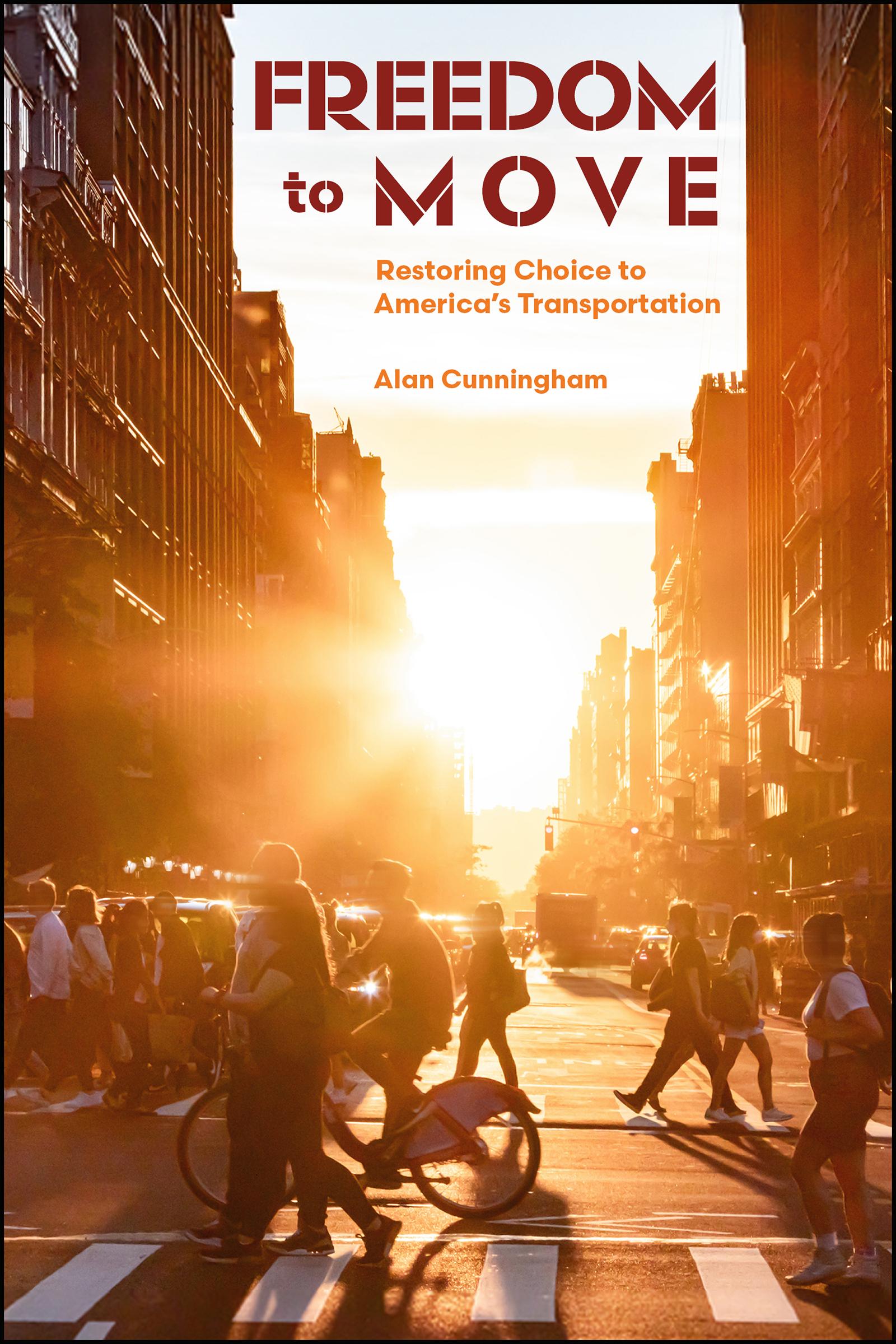
What if transit stations enabled land use for the sake of walkability and bikeability as much as parking lots dictate land use for the sake of traffic? For over a century, the United States has been devoted to traffic as the predominant mode of transportation. We live further apart, personal vehicles have become expensive obligations, and the availability of parking and traffic flow is an essential concern in urban development.
Freedom to Move tells the engaging history of how we got here. While acknowledging our current reality, this book asks how we can improve it. By redeveloping land use within a three-mile bikeable radius of existing rail transit stations, we could realize immense improvements to safety, fitness, affordability, water and air quality, public health, and real estate markets. The author uses data to argue for freedom of choice—how we can move beyond the inevitability of car dependence, and how that benefits all of us.
Płać wygodnie kartą, Klarną, Apple Pay lub Google Pay. Nie jesteś zadowolony? Zawsze masz 14-dniową gwarancję zwrotu pieniędzy. Więcej przeczytasz w naszych warunkach. Masz pytania? Napisz do nas na hello@memmo.org.
Memmo ułatwia naukę – gdziekolwiek jesteś na świecie. U nas znajdziesz podręczniki i sprytne narzędzia do nauki w jednym miejscu: streszczenia, quizy, podcasty i fiszki. A do tego Ted, Twój kumpel do nauki, który odpowie na wszystko, co Cię nurtuje. Ponad 50 000 studentów już tu się uczy – stworzone, byś uczył się szybciej i mniej stresował.