
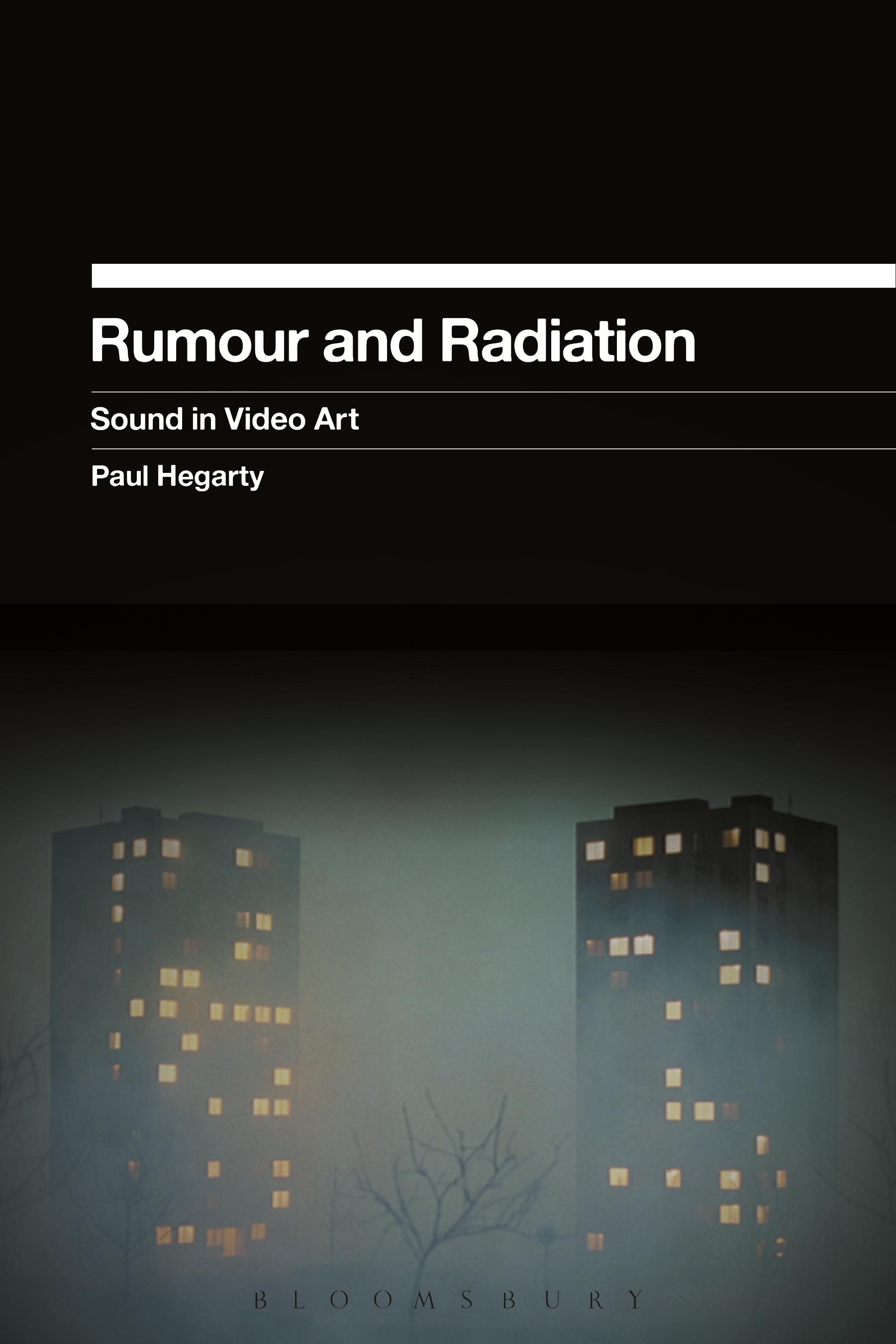
This is a book about video art, and about sound art.
The thesis is that sound first entered the gallery via the video art of the 1960s and in so doing, created an unexpected noise. The early part of the book looks at this formative period and the key figures within it - then jumps to the mid-1990s, when video art has become such a major part of contemporary art production, it no longer seems an autonomous form.
Paul Hegarty considers the work of a range of artists (including Steve McQueen, Christian Marclay, Ryan Trecartin, and Jane and Louise Wilson), proposing different theories according to the particular strategy of the artist under discussion. Connecting them all are the twinned ideas of intermedia and synaesthesia. Hegarty offers close readings of video works, as influenced by their sound, while also considering the institutional and material contexts. Applying contemporary sound theory to the world of video art, Paul Hegarty offers an entirely fresh perspective on the interactions between sound, sound art, and the visual.
The thesis is that sound first entered the gallery via the video art of the 1960s and in so doing, created an unexpected noise. The early part of the book looks at this formative period and the key figures within it - then jumps to the mid-1990s, when video art has become such a major part of contemporary art production, it no longer seems an autonomous form.
Paul Hegarty considers the work of a range of artists (including Steve McQueen, Christian Marclay, Ryan Trecartin, and Jane and Louise Wilson), proposing different theories according to the particular strategy of the artist under discussion. Connecting them all are the twinned ideas of intermedia and synaesthesia. Hegarty offers close readings of video works, as influenced by their sound, while also considering the institutional and material contexts. Applying contemporary sound theory to the world of video art, Paul Hegarty offers an entirely fresh perspective on the interactions between sound, sound art, and the visual.
Płać wygodnie kartą, Klarną, Apple Pay lub Google Pay. Nie jesteś zadowolony? Zawsze masz 14-dniową gwarancję zwrotu pieniędzy. Więcej przeczytasz w naszych warunkach. Masz pytania? Napisz do nas na hello@memmo.org.
Memmo ułatwia naukę – gdziekolwiek jesteś na świecie. U nas znajdziesz podręczniki i sprytne narzędzia do nauki w jednym miejscu: streszczenia, quizy, podcasty i fiszki. A do tego Ted, Twój kumpel do nauki, który odpowie na wszystko, co Cię nurtuje. Ponad 50 000 studentów już tu się uczy – stworzone, byś uczył się szybciej i mniej stresował.