
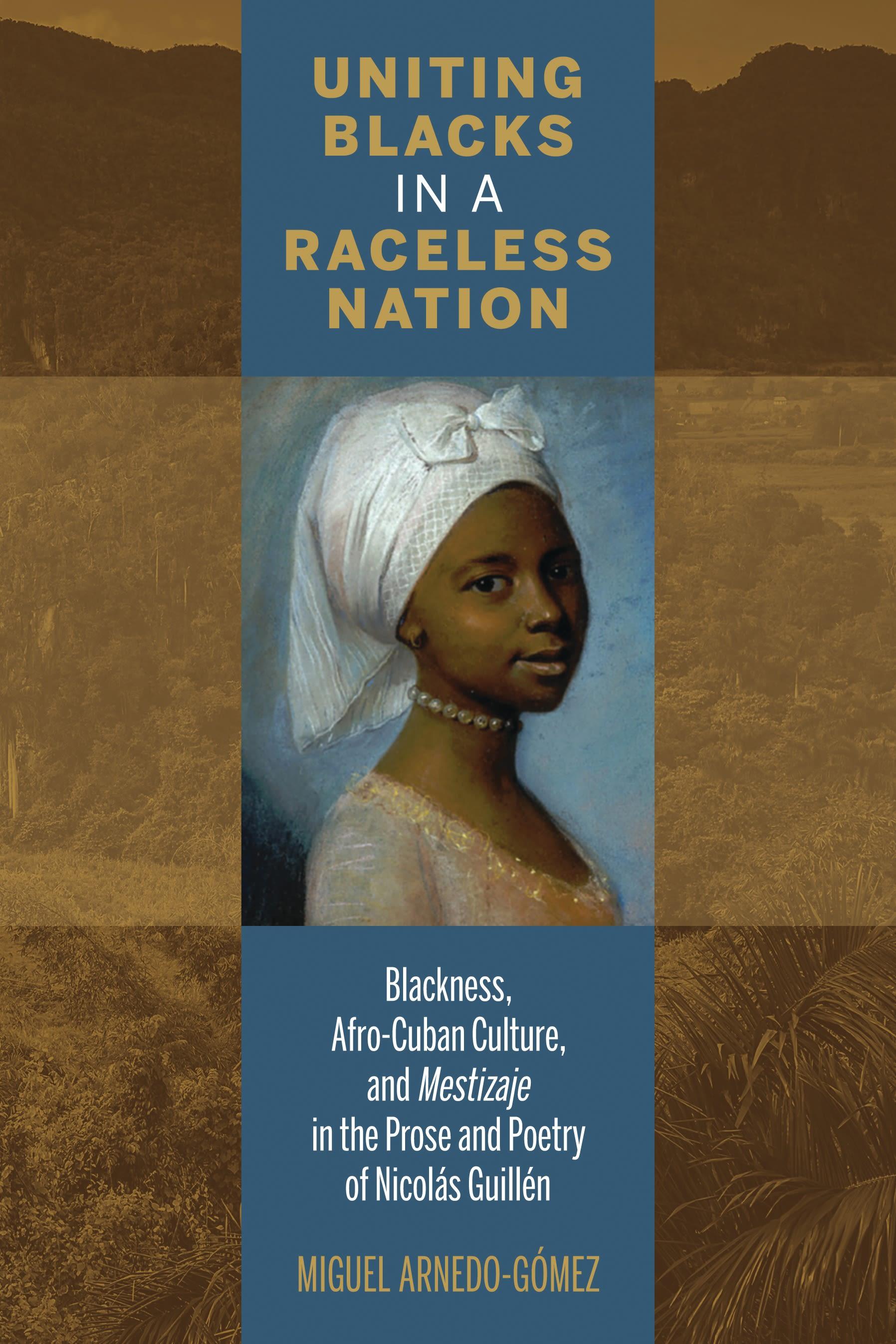
The Cuban writer Nicolás Guillén has traditionally been considered a poet of mestizaje, a term that, whilst denoting racial mixture, also refers to a homogenizing nationalist discourse that proclaims the harmonious nature of Cuban identity. Yet, many aspects of Guillén’s work enhance black Cuban and Afro-Cuban identities. Miguel Arnedo-Gómez explores this paradox in Guillén’s pre-Cuban Revolution writings placing them alongside contemporaneous intellectual discourses that feigned adherence to the homogenizing ideology whilst upholding black interests. On the basis of links with these and other 1930s Cuban discourses, Arnedo-Gómez shows Guillén’s work to contain a message of black unity aimed at the black middle classes. Furthermore, against a tendency to seek a single authorial consciousness—be it mulatto or based on a North American construction of blackness—Guillén’s prose and poetry are also characterized as a struggle for a viable identity in a socio-culturally heterogeneous society.
Płać wygodnie kartą, Klarną, Apple Pay lub Google Pay. Nie jesteś zadowolony? Zawsze masz 14-dniową gwarancję zwrotu pieniędzy. Więcej przeczytasz w naszych warunkach. Masz pytania? Napisz do nas na hello@memmo.org.
Memmo ułatwia naukę – gdziekolwiek jesteś na świecie. U nas znajdziesz podręczniki i sprytne narzędzia do nauki w jednym miejscu: streszczenia, quizy, podcasty i fiszki. A do tego Ted, Twój kumpel do nauki, który odpowie na wszystko, co Cię nurtuje. Ponad 50 000 studentów już tu się uczy – stworzone, byś uczył się szybciej i mniej stresował.