
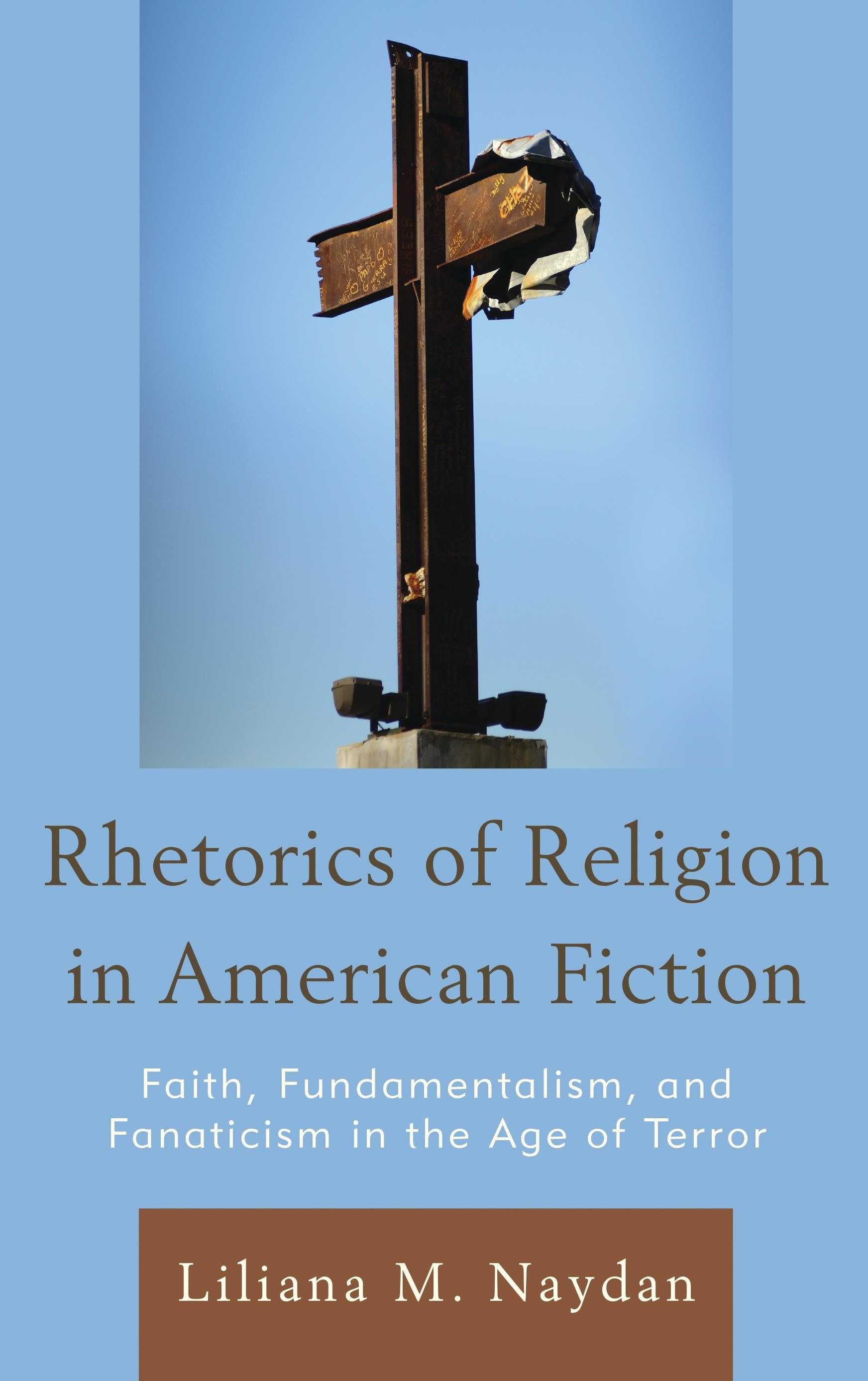
Rhetorics of Religion in American Fiction considers the way in which contemporary
American authors address the subject of belief in the post-9/11 Age of Terror. Naydan
suggests that after 9/11, fiction by Mohsin Hamid, Laila Halaby, Philip Roth, Don
DeLillo, John Updike, and Barbara Kingsolver dramatizes and works to resolve impasses
that exist between believers of different kinds at the extremes. These impasses emerge
out of the religious paradox that shapes America as simultaneously theocratic and
secular, and they exist, for instance, between liberals and fundamentalists, between
liberals and certain evangelicals, between fundamentalists and artists, and between
fundamentalists of different varieties. Ultimately, Naydan argues that these authors
function as literary theologians of sorts and forge a relevant space beyond or between
extremes. They fashion faith or lack thereof as hybridized and hence as a negotiation
among secularism, atheism, faith, fundamentalism, and fanaticism. In so doing, they
invite their readers into contemplations of religious difference and new ways of
memorializing 9/11.
American authors address the subject of belief in the post-9/11 Age of Terror. Naydan
suggests that after 9/11, fiction by Mohsin Hamid, Laila Halaby, Philip Roth, Don
DeLillo, John Updike, and Barbara Kingsolver dramatizes and works to resolve impasses
that exist between believers of different kinds at the extremes. These impasses emerge
out of the religious paradox that shapes America as simultaneously theocratic and
secular, and they exist, for instance, between liberals and fundamentalists, between
liberals and certain evangelicals, between fundamentalists and artists, and between
fundamentalists of different varieties. Ultimately, Naydan argues that these authors
function as literary theologians of sorts and forge a relevant space beyond or between
extremes. They fashion faith or lack thereof as hybridized and hence as a negotiation
among secularism, atheism, faith, fundamentalism, and fanaticism. In so doing, they
invite their readers into contemplations of religious difference and new ways of
memorializing 9/11.
Płać wygodnie kartą, Klarną, Apple Pay lub Google Pay. Nie jesteś zadowolony? Zawsze masz 14-dniową gwarancję zwrotu pieniędzy. Więcej przeczytasz w naszych warunkach. Masz pytania? Napisz do nas na hello@memmo.org.
Memmo ułatwia naukę – gdziekolwiek jesteś na świecie. U nas znajdziesz podręczniki i sprytne narzędzia do nauki w jednym miejscu: streszczenia, quizy, podcasty i fiszki. A do tego Ted, Twój kumpel do nauki, który odpowie na wszystko, co Cię nurtuje. Ponad 50 000 studentów już tu się uczy – stworzone, byś uczył się szybciej i mniej stresował.