
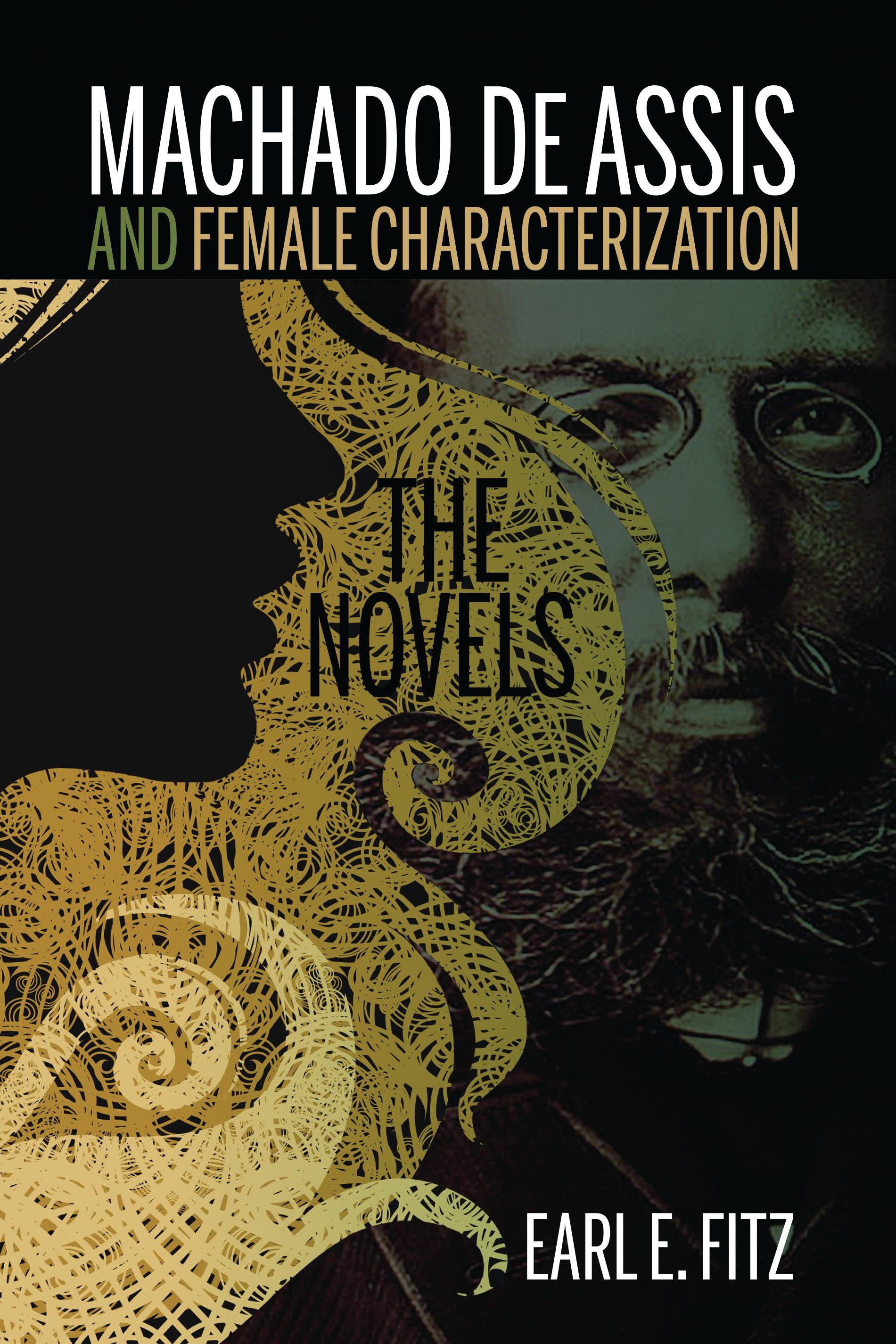
This book examines the nature and function of the main female characters in the nine novels of Machado de Assis. The basic argument is that Machado had a particular interest in female characterization and that his fictional women became increasingly sophisticated and complex as he matured and developed as a writer and social commentator. This book argues that Machado developed, especially after 1880 (and what is usually considered the beginning of his “mature” period), a kind of anti-realistic, “new narrative,” one that presents itself as self-referential fictional artifice but one that also cultivates a keen social consciousness. The book also contends that Machado increasingly uses his female characterizations to convey this social consciousness and to show that the new Brazil that is emerging both before and after the establishment of the Brazilian Republic (1889) requires not only the emancipation of the black slaves but the emancipation of its women as well.
Płać wygodnie kartą, Klarną, Apple Pay lub Google Pay. Nie jesteś zadowolony? Zawsze masz 14-dniową gwarancję zwrotu pieniędzy. Więcej przeczytasz w naszych warunkach. Masz pytania? Napisz do nas na hello@memmo.org.
Memmo ułatwia naukę – gdziekolwiek jesteś na świecie. U nas znajdziesz podręczniki i sprytne narzędzia do nauki w jednym miejscu: streszczenia, quizy, podcasty i fiszki. A do tego Ted, Twój kumpel do nauki, który odpowie na wszystko, co Cię nurtuje. Ponad 50 000 studentów już tu się uczy – stworzone, byś uczył się szybciej i mniej stresował.