
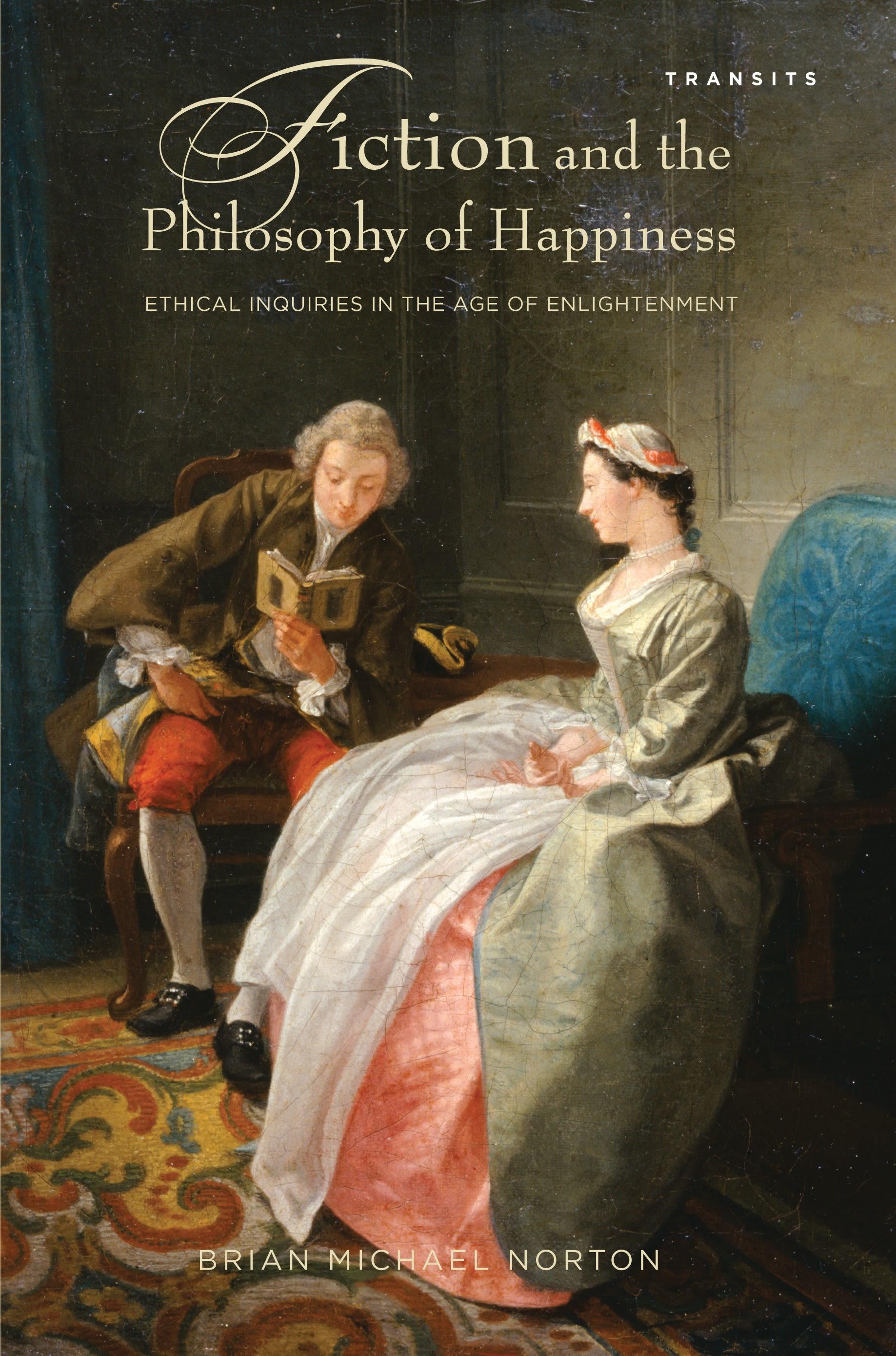
Fiction and the Philosophy of Happiness explores the novel’s participation in eighteenth-century “inquiries after happiness,” an ancient ethical project that acquired new urgency with the rise of subjective models of wellbeing in early modern and Enlightenment Europe. Combining archival research on treatises on happiness with illuminating readings of Samuel Johnson, Laurence Sterne, Denis Diderot, Jean-Jacques Rousseau, William Godwin and Mary Hays, Brian Michael Norton’s innovative study asks us to see the novel itself as a key instrument of Enlightenment ethics. His centralargument is that the novel form provided a uniquely valuable tool for thinking about the nature and challenges of modern happiness: whereas treatises sought to theorize the conditions that made happiness possible in general, eighteenth-century fiction excelled at interrogating the problem on the level of the particular, in the details of a single individual’s psychology and unique circumstances. Fiction and the Philosophy of Happiness demonstrates further that through their fine-tuned attention to subjectivity and social context these writers called into question some cherished and time-honored assumptions about the good life: happiness is in one’s power; virtue is the exclusive path to happiness; only vice can make us miserable. This elegant and richly interdisciplinary book offers a new understanding of the cultural work the eighteenth-century novel performed as well as an original interpretation of the Enlightenment’s ethical legacy.
Płać wygodnie kartą, Klarną, Apple Pay lub Google Pay. Nie jesteś zadowolony? Zawsze masz 14-dniową gwarancję zwrotu pieniędzy. Więcej przeczytasz w naszych warunkach. Masz pytania? Napisz do nas na hello@memmo.org.
Memmo ułatwia naukę – gdziekolwiek jesteś na świecie. U nas znajdziesz podręczniki i sprytne narzędzia do nauki w jednym miejscu: streszczenia, quizy, podcasty i fiszki. A do tego Ted, Twój kumpel do nauki, który odpowie na wszystko, co Cię nurtuje. Ponad 50 000 studentów już tu się uczy – stworzone, byś uczył się szybciej i mniej stresował.