
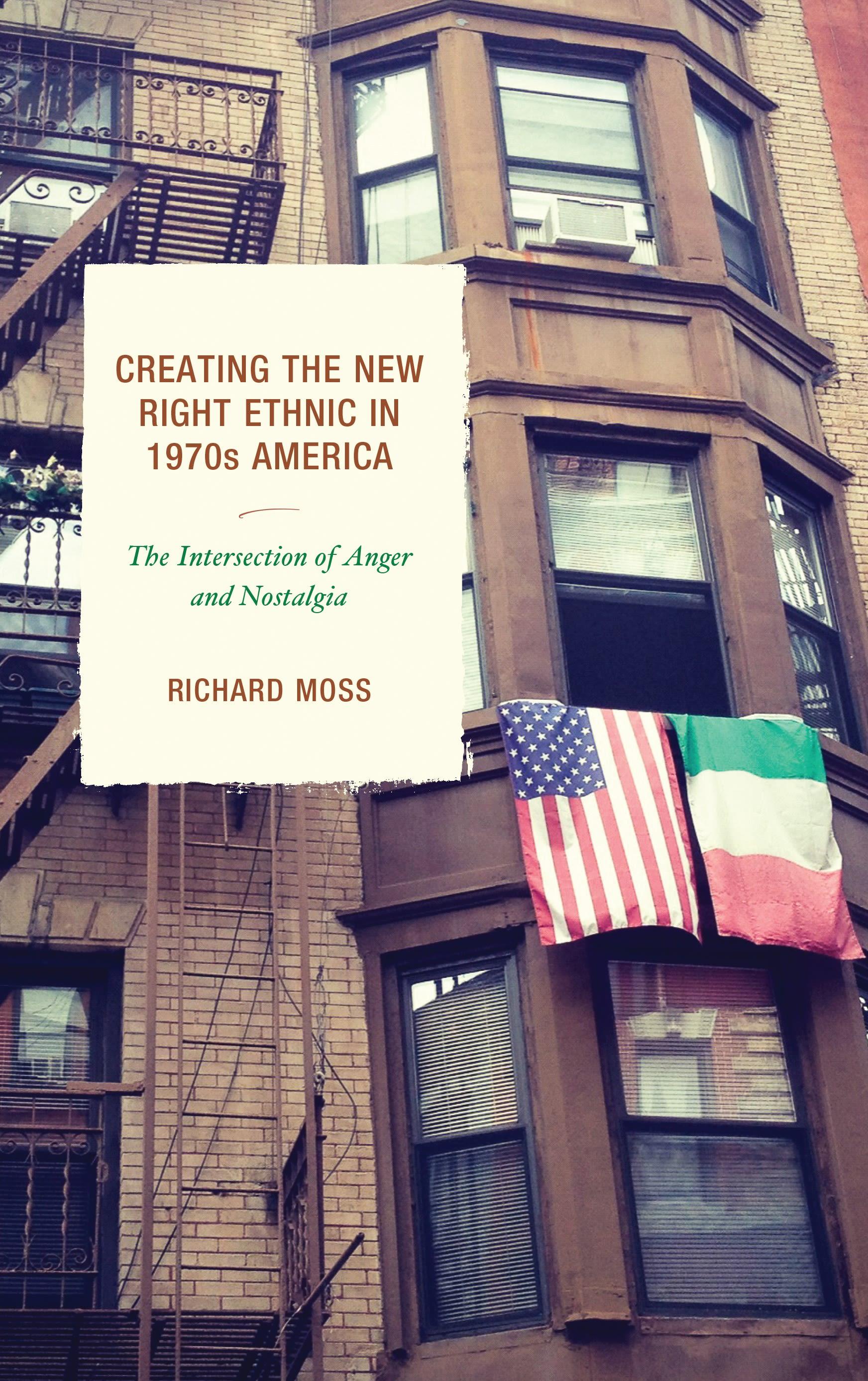
This work analyzes the "New Ethnicity" of the 1970s as a way of understanding America's political turn to the right in that decade. An upsurge of vocal ethnic consciousness among second-, third-, and fourth-generation Southern and Eastern Europeans, the New Ethnicity simultaneously challenged and emulated earlier identity movements such as Black Power.
The movement was more complex than the historical memory of racist, reactionary white ethnic leaders suggests. The movement began with a significant grassroots effort to gain more social welfare assistance for "near poor" white ethnic neighborhoods and ease tensions between the working-class African Americans and whites who lived in close proximity to one another in urban neighborhoods. At the same time, a more militant strain of white ethnicity was created by urban leaders who sought conflict with minorities and liberals.
The reassertion of ethnicity necessarily involved the invention of myths, symbols, and traditions, and this process actually served to retard the progressive strain of New Ethnicity and strengthen the position of reactionary leaders and New Right politicians who hoped to encourage racial discord and dismantle social welfare programs. Public intellectuals created a mythical white ethnic who shunned welfare, valued the family, and provided an antidote to liberal elitism and neighborhood breakdown. Corporations and publishers embraced this invented ethnic identity and codified it through consumption. Finally, politicians appropriated the rhetoric of the New Ethnicity while ignoring its demands. The image of hard-working, self-sufficient ethnics who took care of their own neighborhood problems became powerful currency in their effort to create racial division and dismantle New Deal and Great Society protections.
The movement was more complex than the historical memory of racist, reactionary white ethnic leaders suggests. The movement began with a significant grassroots effort to gain more social welfare assistance for "near poor" white ethnic neighborhoods and ease tensions between the working-class African Americans and whites who lived in close proximity to one another in urban neighborhoods. At the same time, a more militant strain of white ethnicity was created by urban leaders who sought conflict with minorities and liberals.
The reassertion of ethnicity necessarily involved the invention of myths, symbols, and traditions, and this process actually served to retard the progressive strain of New Ethnicity and strengthen the position of reactionary leaders and New Right politicians who hoped to encourage racial discord and dismantle social welfare programs. Public intellectuals created a mythical white ethnic who shunned welfare, valued the family, and provided an antidote to liberal elitism and neighborhood breakdown. Corporations and publishers embraced this invented ethnic identity and codified it through consumption. Finally, politicians appropriated the rhetoric of the New Ethnicity while ignoring its demands. The image of hard-working, self-sufficient ethnics who took care of their own neighborhood problems became powerful currency in their effort to create racial division and dismantle New Deal and Great Society protections.
Płać wygodnie kartą, Klarną, Apple Pay lub Google Pay. Nie jesteś zadowolony? Zawsze masz 14-dniową gwarancję zwrotu pieniędzy. Więcej przeczytasz w naszych warunkach. Masz pytania? Napisz do nas na hello@memmo.org.
Memmo ułatwia naukę – gdziekolwiek jesteś na świecie. U nas znajdziesz podręczniki i sprytne narzędzia do nauki w jednym miejscu: streszczenia, quizy, podcasty i fiszki. A do tego Ted, Twój kumpel do nauki, który odpowie na wszystko, co Cię nurtuje. Ponad 50 000 studentów już tu się uczy – stworzone, byś uczył się szybciej i mniej stresował.