
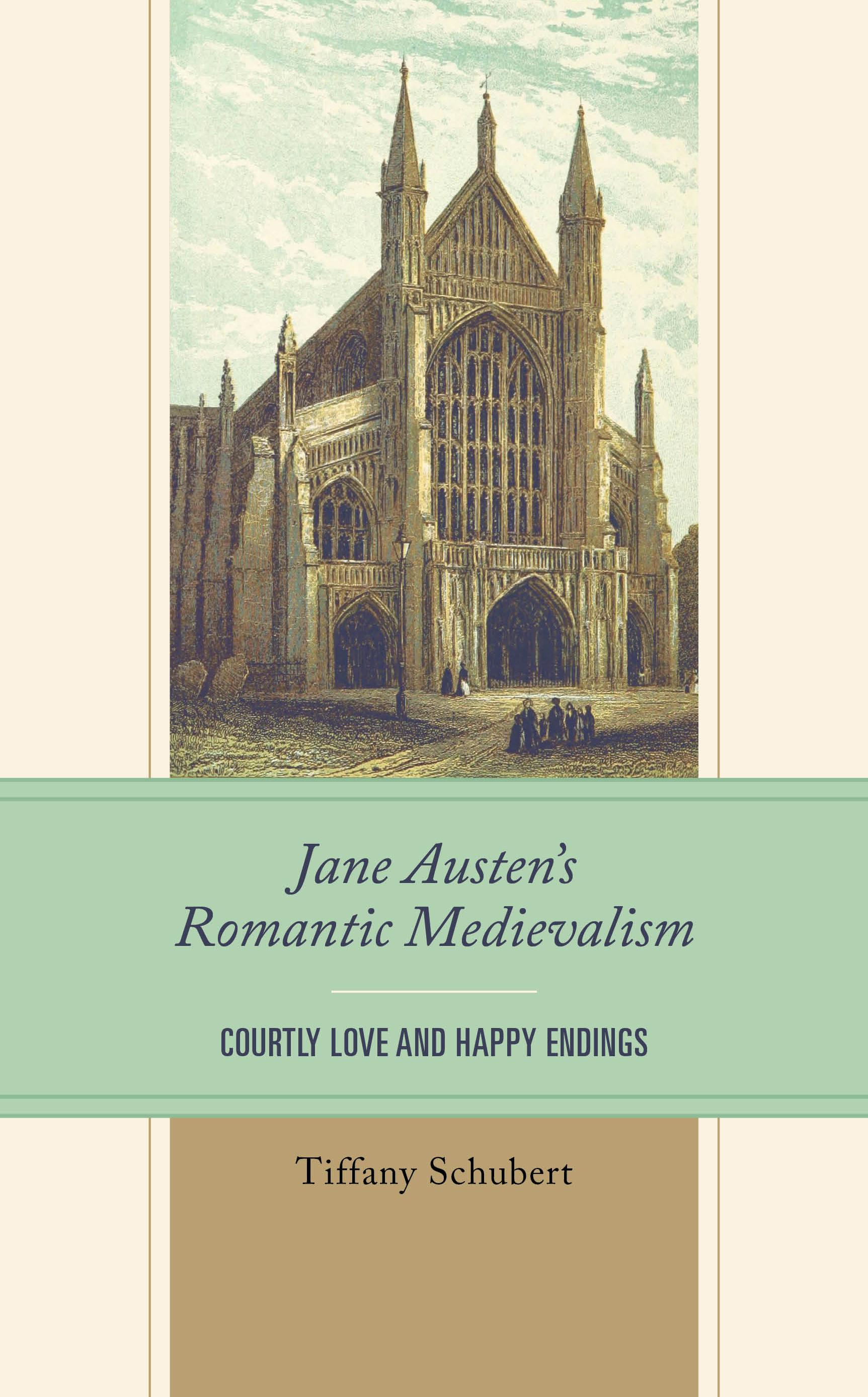
While Jane Austen is often regarded as an author who embodies Georgian refinement and restraint, this book argues that her work was deeply engaged with the medieval tradition of courtly love and its investment in happy endings. Revealing the influence of romance on Persuasion, Emma, and other novels, this study provides new insights into Austen’s narrative style, representations of gender, and complex interest in happiness as both an affective and moral state. As Austen reimagines courtly love in her own idiom, she upends traditional gender roles, portraying women not as fine ladies but as rational creatures. Drawing on the structures of Christian narrative, she also illuminates the centrality of providence as a virtue that bestows grace on her characters, offering them deliverance and happiness. To be sure, Austen famously ironizes romance, criticizing emotional excess and downplaying conventionally romantic scenes. This study nonetheless finds creative power in her irony, showing how Austen’s critique of romance is rooted in the paradoxes of Christian theology, which allow for both human suffering and divine order. In reframing key ethical and generic conventions of the medieval past, Austen’s ironic, providentially arranged romances educate readers into wisdom and joy.
Strony: 238
Kategoria: Litteraturvetenskap & Teori
e-ISBN: 9781611463514
Waga przesyłki: 1.2 kg
Wysyłka w ciągu: 1-2 dni
Płać wygodnie kartą, Klarną, Apple Pay lub Google Pay. Nie jesteś zadowolony? Zawsze masz 14-dniową gwarancję zwrotu pieniędzy. Więcej przeczytasz w naszych warunkach. Masz pytania? Napisz do nas na hello@memmo.org.
Memmo ułatwia naukę – gdziekolwiek jesteś na świecie. U nas znajdziesz podręczniki i sprytne narzędzia do nauki w jednym miejscu: streszczenia, quizy, podcasty i fiszki. A do tego Ted, Twój kumpel do nauki, który odpowie na wszystko, co Cię nurtuje. Ponad 50 000 studentów już tu się uczy – stworzone, byś uczył się szybciej i mniej stresował.