
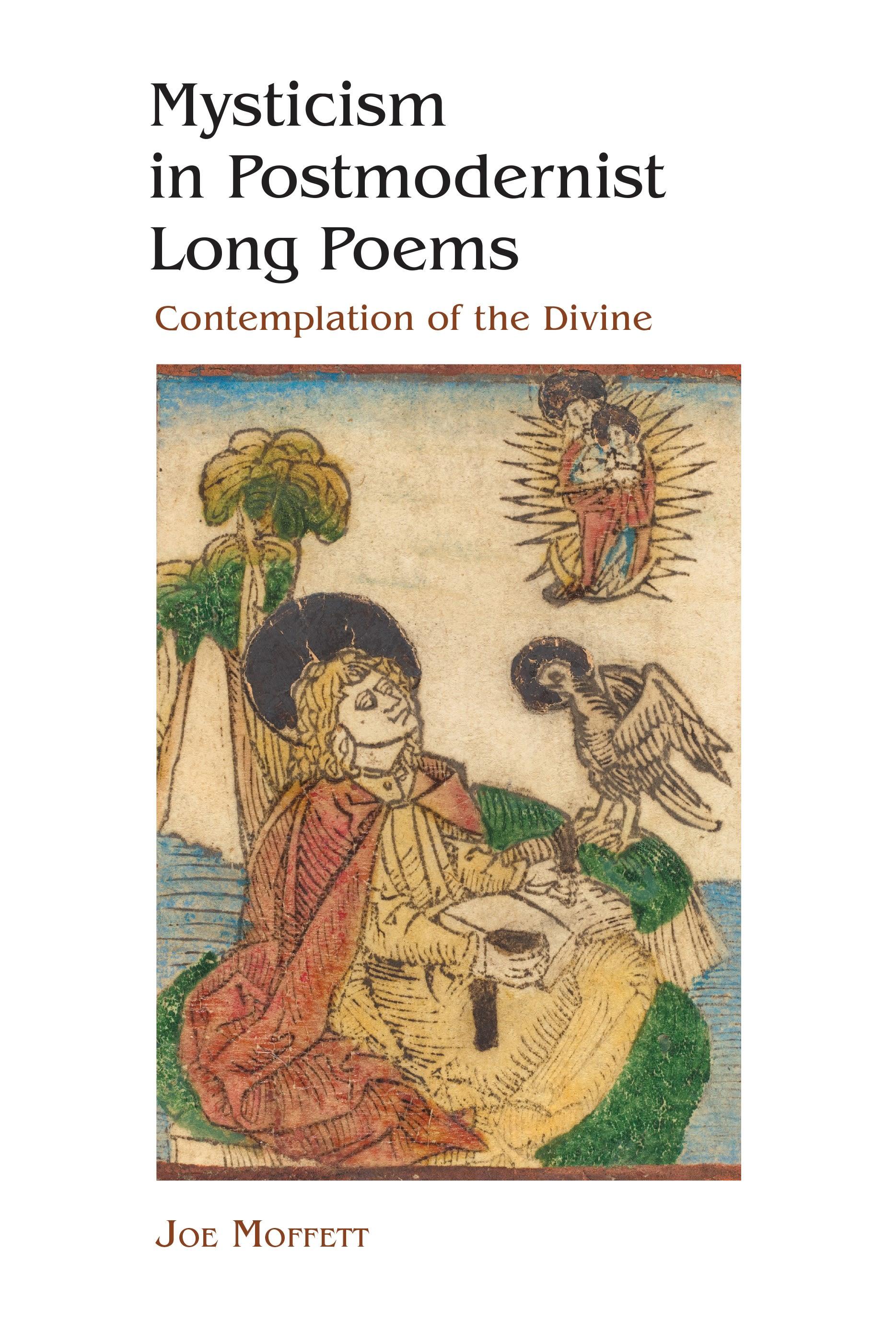
Written from a literary critic’s perspective, Mysticism in Postmodernist Long Poems borrows insights from Religious Studies and critical theory to examine the role of spirituality in contemporary poetry, specifically the genre of the long poem. Descending from Whitman’s Song of Myself, the long poem is often considered the American twentieth-century equivalent of the epic poem, but unlike the epic, it carries few generic expectations aside from the fact that it simply must be long. This makes the form particularly pliable as a tool for spiritual inquiry. The period following World War II is often described as a secular age, but spirituality continued as a concern for poets, as evidenced by this study. These writers look beyond conventional faith systems and instead seek individual paths of understanding; they engage in mysticism, in other words. With chapters on H.D. and Brenda Hillman, Robert Duncan, James Merrill, Charles Wright, and Galway Kinnell and Gary Snyder, this study demonstrates how these poets engage the culture of consumption in the postwar years at the same time they search for opportunities for transcendence. Not content to throw over the earthly in favor of the otherworldly, these poets reject the familiar binary of the worldly and metaphysical to produce distinctive paths of spiritual understanding that fuel what Wright calls a “contemplation of the divine.”
Strony: 194
Kategoria: Litteraturvetenskap & Teori
e-ISBN: 9781611461633
Waga przesyłki: 1.2 kg
Wysyłka w ciągu: 1-2 dni
Płać wygodnie kartą, Klarną, Apple Pay lub Google Pay. Nie jesteś zadowolony? Zawsze masz 14-dniową gwarancję zwrotu pieniędzy. Więcej przeczytasz w naszych warunkach. Masz pytania? Napisz do nas na hello@memmo.org.
Memmo ułatwia naukę – gdziekolwiek jesteś na świecie. U nas znajdziesz podręczniki i sprytne narzędzia do nauki w jednym miejscu: streszczenia, quizy, podcasty i fiszki. A do tego Ted, Twój kumpel do nauki, który odpowie na wszystko, co Cię nurtuje. Ponad 50 000 studentów już tu się uczy – stworzone, byś uczył się szybciej i mniej stresował.