
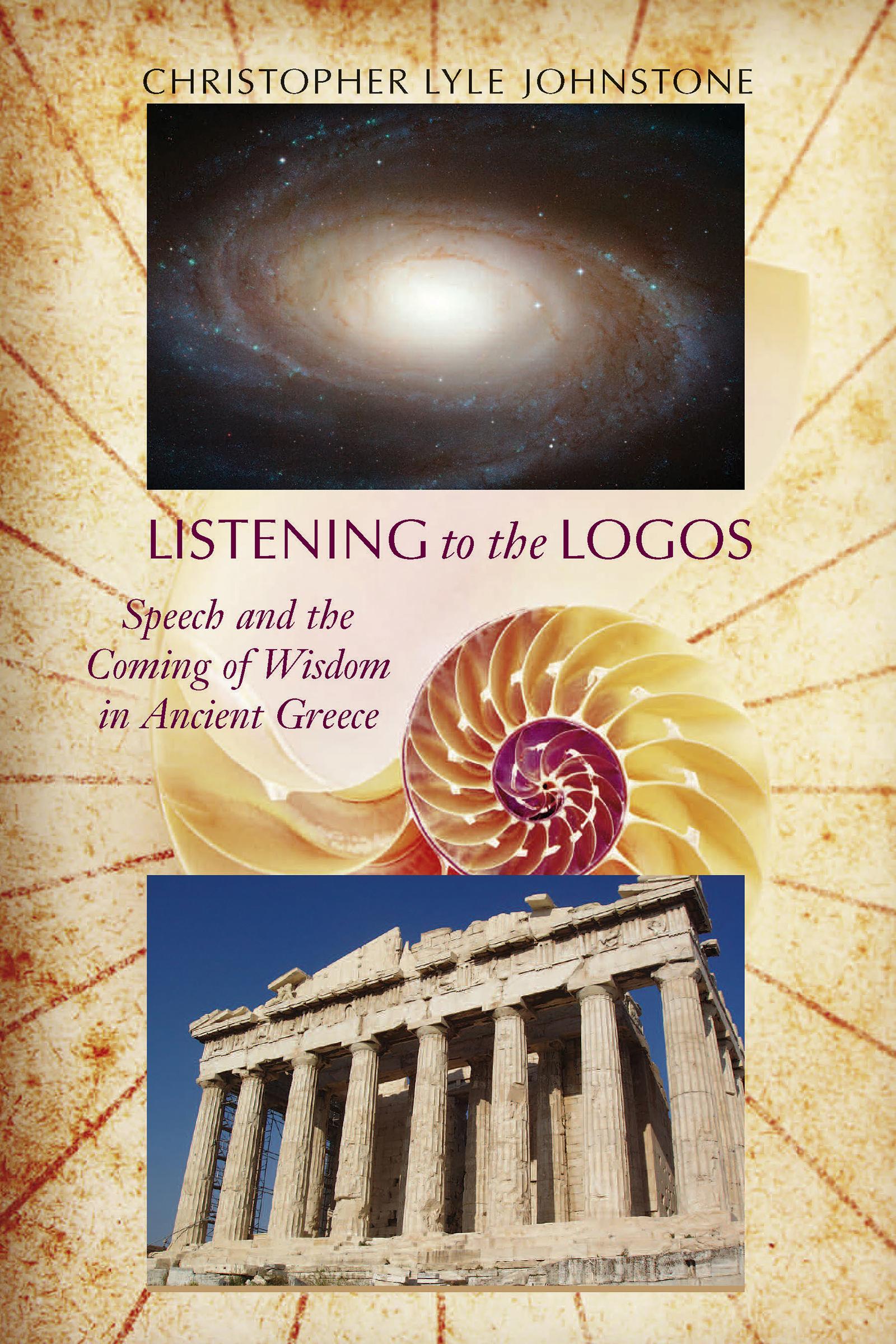
An exploration of the role of language arts in forming and expressing wisdom from Homer to Aristotle
In Listening to the Logos, Christopher Lyle Johnstone provides an unprecedented comprehensive account of the relationship between speech and wisdom across almost four centuries of evolving ancient Greek thought and teachings—from the mythopoetic tradition of Homer and Hesiod to Aristotle's treatises.
Johnstone grounds his study in the cultural, conceptual, and linguistic milieu of archaic and classical Greece, which nurtured new ways of thinking about and investigating the world. He focuses on accounts of logos and wisdom in the surviving writings and teachings of Homer and Hesiod, the Presocratics, the Sophists and Socrates, Isocrates and Plato, and Aristotle. Specifically Johnstone highlights the importance of language arts in both speculative inquiry and practical judgment, a nexus that presages connections between philosophy and rhetoric that persist still. His study investigates concepts and concerns key to the speaker's art from the outset: wisdom, truth, knowledge, belief, prudence, justice, and reason. From these investigations certain points of coherence emerge about the nature of wisdom—that wisdom includes knowledge of eternal principles, both divine and natural; that it embraces practical, moral knowledge; that it centers on apprehending and applying a cosmic principle of proportion and balance; that it allows its possessor to forecast the future; and that the oral use of language figures centrally in obtaining and practicing it.
Johnstone's interdisciplinary account ably demonstrates that in the ancient world it was both the content and form of speech that most directly inspired, awakened, and deepened the insights comprehended under the notion of wisdom.
Płać wygodnie kartą, Klarną, Apple Pay lub Google Pay. Nie jesteś zadowolony? Zawsze masz 14-dniową gwarancję zwrotu pieniędzy. Więcej przeczytasz w naszych warunkach. Masz pytania? Napisz do nas na hello@memmo.org.
Memmo ułatwia naukę – gdziekolwiek jesteś na świecie. U nas znajdziesz podręczniki i sprytne narzędzia do nauki w jednym miejscu: streszczenia, quizy, podcasty i fiszki. A do tego Ted, Twój kumpel do nauki, który odpowie na wszystko, co Cię nurtuje. Ponad 50 000 studentów już tu się uczy – stworzone, byś uczył się szybciej i mniej stresował.