
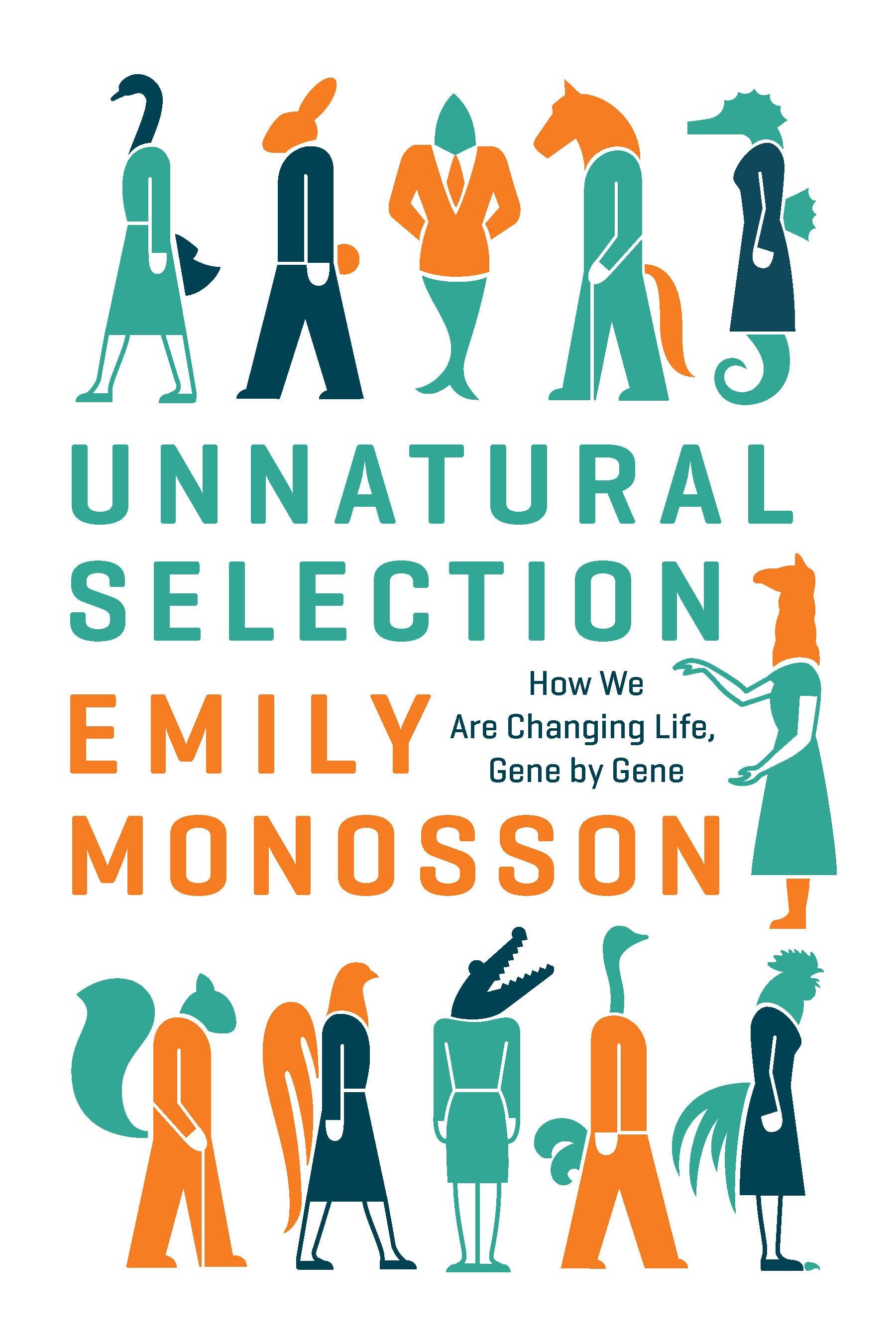
Gonorrhea. Bed bugs. Weeds. Salamanders. People. All are evolving, some surprisingly rapidly, in response to our chemical age. In Unnatural Selection, Emily Monosson shows how our drugs, pesticides, and pollution are exerting intense selection pressure on all manner of species. And we humans might not like the result.
Monosson reveals that the very code of life is more fluid than once imagined. When our powerful chemicals put the pressure on to evolve or die, beneficial traits can sweep rapidly through a population. Species with explosive population growth—the bugs, bacteria, and weeds—tend to thrive, while bigger, slower-to-reproduce creatures, like ourselves, are more likely to succumb.
Monosson explores contemporary evolution in all its guises. She examines the species that we are actively trying to beat back, from agricultural pests to life-threatening bacteria, and those that are collateral damage—creatures struggling to adapt to a polluted world. Monosson also presents cutting-edge science on gene expression, showing how environmental stressors are leaving their mark on plants, animals, and possibly humans for generations to come.
Unnatural Selection is eye-opening and more than a little disquieting. But it also suggests how we might lessen our impact: manage pests without creating super bugs; protect individuals from disease without inviting epidemics; and benefit from technology without threatening the health of our children.
Płać wygodnie kartą, Klarną, Apple Pay lub Google Pay. Nie jesteś zadowolony? Zawsze masz 14-dniową gwarancję zwrotu pieniędzy. Więcej przeczytasz w naszych warunkach. Masz pytania? Napisz do nas na hello@memmo.org.
Memmo ułatwia naukę – gdziekolwiek jesteś na świecie. U nas znajdziesz podręczniki i sprytne narzędzia do nauki w jednym miejscu: streszczenia, quizy, podcasty i fiszki. A do tego Ted, Twój kumpel do nauki, który odpowie na wszystko, co Cię nurtuje. Ponad 50 000 studentów już tu się uczy – stworzone, byś uczył się szybciej i mniej stresował.