
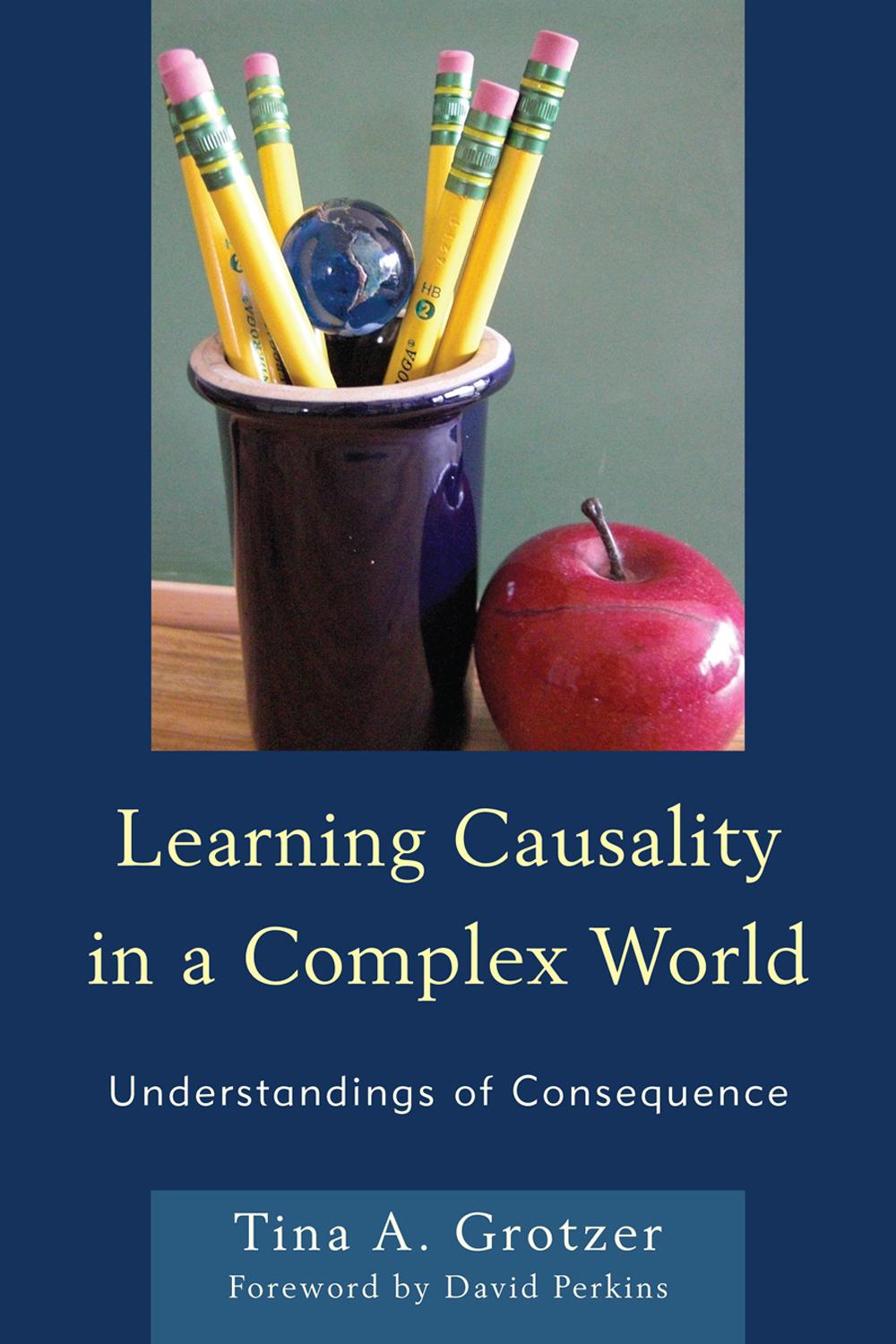
What do children’s interactions on the playground have to do with foreign policy? How does science understanding in middle school relate to environmental disasters in third world countries? The causal patterns that we detect and how we act upon them pervade every aspect of our lives. These skills will only become more important in the future as our world becomes more global and more interconnected. Yet we aren’t very skilled at thinking about causality. Research shows that instead we rely on limiting default assumptions that can lead to poor choices in a complex world. What can we do about it? This book offers ways to become aware of these patterns and to reframe our thinking to become more effective learners and citizens of the world. Through examples and accessible explanations, it offers a causal curriculum to enable more effective learning so that we can put the power of better causal understanding to work for ourselves and the next generation— for today and tomorrow.
Płać wygodnie kartą, Klarną, Apple Pay lub Google Pay. Nie jesteś zadowolony? Zawsze masz 14-dniową gwarancję zwrotu pieniędzy. Więcej przeczytasz w naszych warunkach. Masz pytania? Napisz do nas na hello@memmo.org.
Memmo ułatwia naukę – gdziekolwiek jesteś na świecie. U nas znajdziesz podręczniki i sprytne narzędzia do nauki w jednym miejscu: streszczenia, quizy, podcasty i fiszki. A do tego Ted, Twój kumpel do nauki, który odpowie na wszystko, co Cię nurtuje. Ponad 50 000 studentów już tu się uczy – stworzone, byś uczył się szybciej i mniej stresował.