
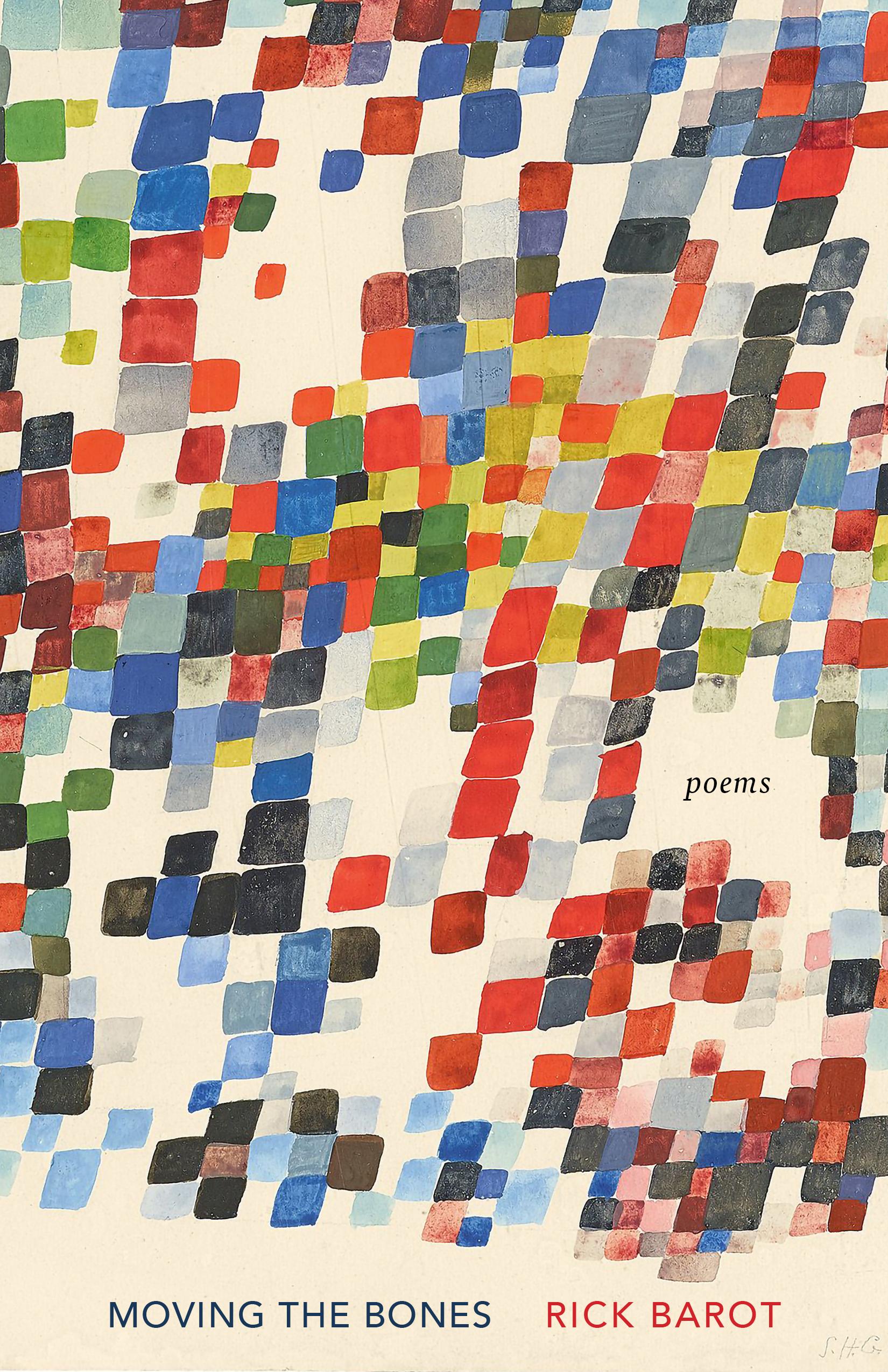
MOVING THE BONES
There are too many ancestors, so we are gathering their bones.
The poor ones, their graves broken by the roots of trees. The ones whose headstones have been weathered as blank as snowdrifts.
We have bought the wide plot. We have built the mausoleum. And now we fill it with the bones.
The ones killed in the monsoon floods. The one buried in her wedding dress. The one buried with his medals.
Because there will be a time when we cannot keep track of them, scattered in the cemetery like prodigals, we collect the bones.
The ones whose faces I can still recall. The ones who have been dead for a hundred years. We collect their bones.
At each opened grave, we think about the body taking its shape as father, sister, cousin, uncle. We hunger for the story of each figure.
We hold the bones, though we know memory is mostly forgetting. Or memory is the sweeper who clears the sidewalk each morning. Or memory is the broom.
The mausoleum is marble, white as certain roses, and shaped like a house. There is room for everyone we will put there.
The rich ones, their gravestones glowing with gold paint. The infants with sweet names. We open their graves. We move their bones.
Look back far enough and your family becomes unfamiliar, a circle of people with a fading circumference.
When I think of it long enough, home becomes a confusion of birthplace, hometown, country, and nation.
We walk through the cemetery, we point to our own, and we gather their bones.
Maybe memory is the desperate pharaoh who commands that the things of this life go with him into the next.
I would take with me the books I loved best. A jar of the ocean spanning my two countries. A slip of my lover’s sunny hair.
I would take with me a sack of rice. My mother’s orange shawl. The robe my father wears in the kitchen at night, drinking a glass of water.
That we might go to just one place to worship them, to wonder at who they were, we are moving the bones.
Our tribe of eros and vinegar. Our black hair, our ordinary minds.
Holding the bones, we say the names of the dead, the music of the syllables, conjuring the hearts they answered to. We hold the bones.
Each stern skull. Each proud sternum. Each elegant rib, curved like a horizon.
Płać wygodnie kartą, Klarną, Apple Pay lub Google Pay. Nie jesteś zadowolony? Zawsze masz 14-dniową gwarancję zwrotu pieniędzy. Więcej przeczytasz w naszych warunkach. Masz pytania? Napisz do nas na hello@memmo.org.
Memmo ułatwia naukę – gdziekolwiek jesteś na świecie. U nas znajdziesz podręczniki i sprytne narzędzia do nauki w jednym miejscu: streszczenia, quizy, podcasty i fiszki. A do tego Ted, Twój kumpel do nauki, który odpowie na wszystko, co Cię nurtuje. Ponad 50 000 studentów już tu się uczy – stworzone, byś uczył się szybciej i mniej stresował.