
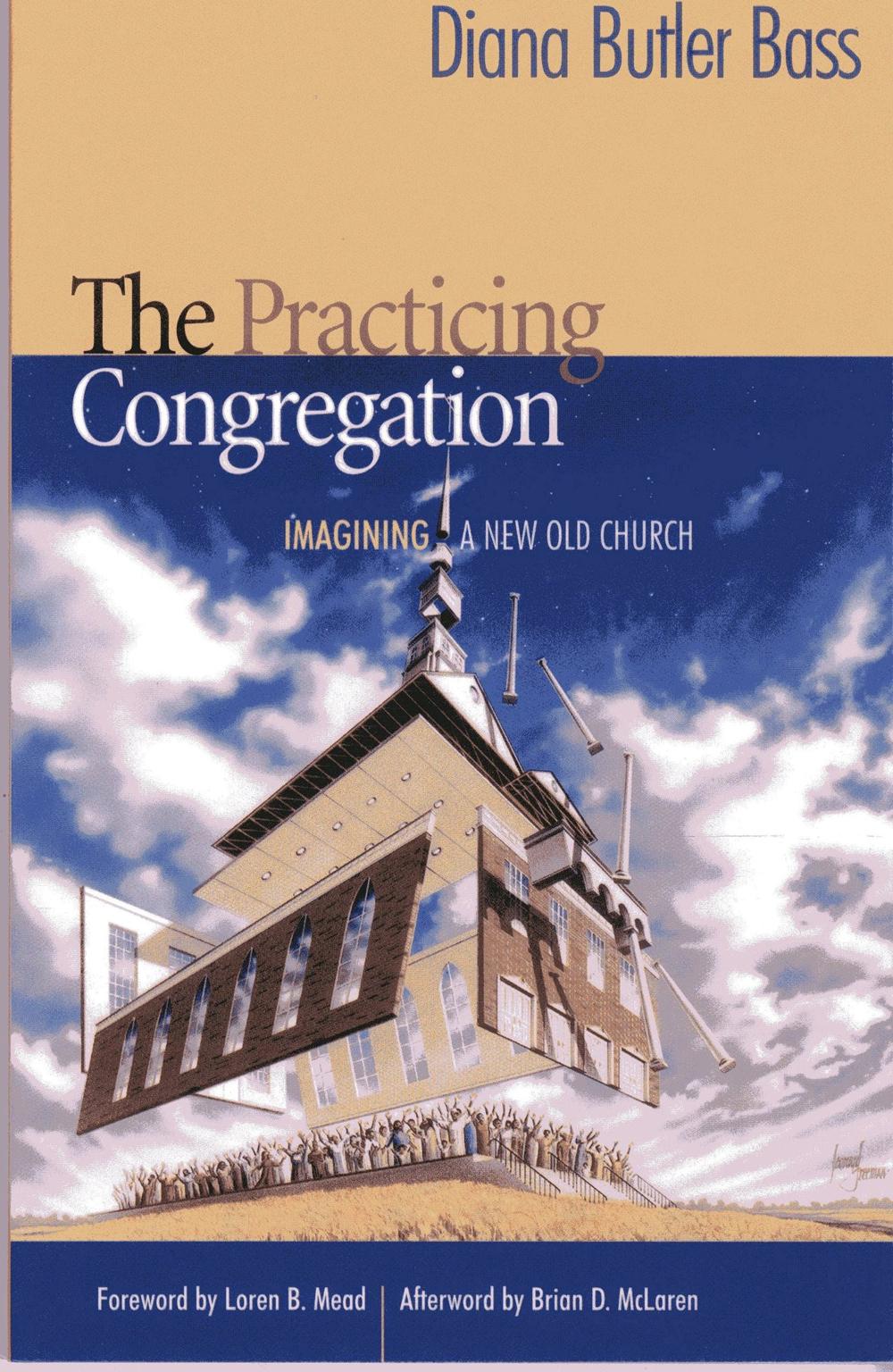
The conventional wisdom about mainline Protestantism maintains that it is a dying tradition, irrelevant to a postmodern society, unresponsive to change, and increasingly disconnected from its core faith tenets. In her provocative new book, historian and researcher Diana Butler Bass argues that there are signs that mainline Protestant churches are indeed changing, finding a new vitality intentionally grounded in Christian practices and laying the groundwork for a new type of congregation. The Practicing Congregation tracks these changes by looking at the overall history of American congregations, noting the cultural trends that have sparked change, and providing evidence of how mainline churches are reappropriating traditional Christian practices. The signs of life that Bass identifies lead the reader beyond the crumbling "liberal vs. conservative" dualities to a more nuanced and fluid understanding of the shape of contemporary ecclesiology and faithfulness. In so doing, she helps readers understand tradition in new ways and creates an alternative path through the culture wars that today arrest the energies of most denominations. Invigorated by stories from Bass's own experience, The Practicing Congregation provides a hopeful and exciting vision for the church. The imaginative "retraditioning" she identifies and celebrates will guide pastors and other leaders on this "pilgrimage of creating church" and convincingly counter the naysayers that long ago gave up on the viability of the mainline church.
Płać wygodnie kartą, Klarną, Apple Pay lub Google Pay. Nie jesteś zadowolony? Zawsze masz 14-dniową gwarancję zwrotu pieniędzy. Więcej przeczytasz w naszych warunkach. Masz pytania? Napisz do nas na hello@memmo.org.
Memmo ułatwia naukę – gdziekolwiek jesteś na świecie. U nas znajdziesz podręczniki i sprytne narzędzia do nauki w jednym miejscu: streszczenia, quizy, podcasty i fiszki. A do tego Ted, Twój kumpel do nauki, który odpowie na wszystko, co Cię nurtuje. Ponad 50 000 studentów już tu się uczy – stworzone, byś uczył się szybciej i mniej stresował.