
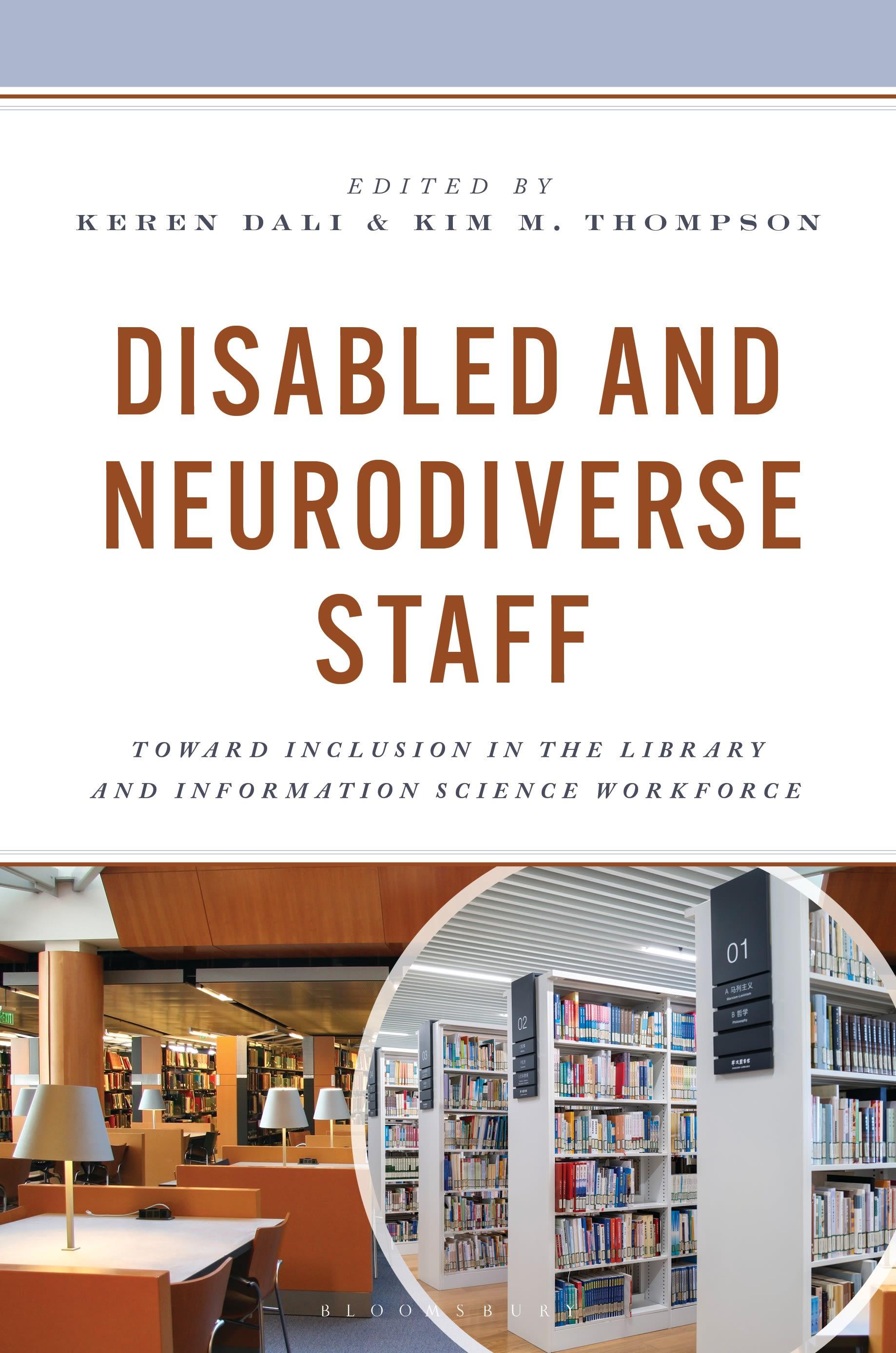
Explore a multi-dimensional and nuanced view of disability and neurodiversity in the Library and Information Science workforce from those directly impacted in the field.
Despite significant progress in improving the inclusion of disabled and neurodiverse patrons in libraries and information organizations of all types, much more work is needed to change the situation in the Library & Information Science (LIS) workforce. No true inclusion of community members can be achieved if disabled and neurodiverse patrons are not adequately represented in the library workforce. Disabled and neurodiverse graduates of LIS programs cannot always find fulfilling employment or are employed below their qualifications, if they manage to integrate in the job market at all post-graduation.
This volume offers a multi-dimensional view of disability and neurodiversity in the LIS workforce by combining the narratives of disabled and neurodiverse library staff with those of their colleagues and peers, as well as their supervisors and managers. It reflects the array of experience from various types of libraries and information settings.
Featuring chapters on theory and practice, annotated bibliography and resource compilation, this book is more than just a window into the current issues, it is a call to build a more inclusive and accessible future.
Despite significant progress in improving the inclusion of disabled and neurodiverse patrons in libraries and information organizations of all types, much more work is needed to change the situation in the Library & Information Science (LIS) workforce. No true inclusion of community members can be achieved if disabled and neurodiverse patrons are not adequately represented in the library workforce. Disabled and neurodiverse graduates of LIS programs cannot always find fulfilling employment or are employed below their qualifications, if they manage to integrate in the job market at all post-graduation.
This volume offers a multi-dimensional view of disability and neurodiversity in the LIS workforce by combining the narratives of disabled and neurodiverse library staff with those of their colleagues and peers, as well as their supervisors and managers. It reflects the array of experience from various types of libraries and information settings.
Featuring chapters on theory and practice, annotated bibliography and resource compilation, this book is more than just a window into the current issues, it is a call to build a more inclusive and accessible future.
Strony: 324
Kategoria: Kultur-, Genus- & Postkoloniala studier
e-ISBN: 9781538199855
Waga przesyłki: 1.2 kg
Wysyłka w ciągu: 1-2 dni
Płać wygodnie kartą, Klarną, Apple Pay lub Google Pay. Nie jesteś zadowolony? Zawsze masz 14-dniową gwarancję zwrotu pieniędzy. Więcej przeczytasz w naszych warunkach. Masz pytania? Napisz do nas na hello@memmo.org.
Memmo ułatwia naukę – gdziekolwiek jesteś na świecie. U nas znajdziesz podręczniki i sprytne narzędzia do nauki w jednym miejscu: streszczenia, quizy, podcasty i fiszki. A do tego Ted, Twój kumpel do nauki, który odpowie na wszystko, co Cię nurtuje. Ponad 50 000 studentów już tu się uczy – stworzone, byś uczył się szybciej i mniej stresował.