
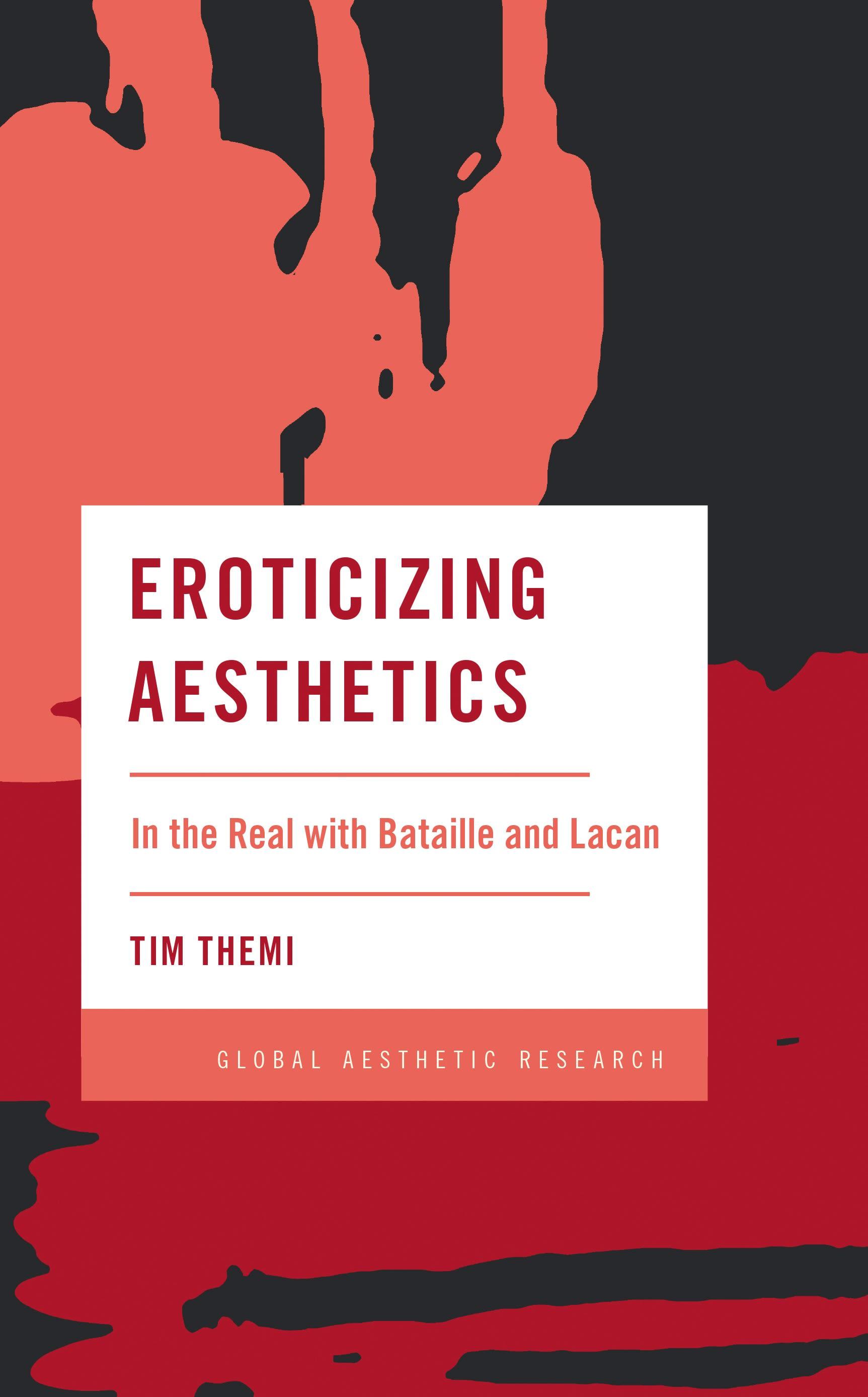
Bringing together Bataille with Lacan and Nietzsche, Tim Themi examines the role of aesthetics implicit in each and how this invokes an erotic process celebrating the real of what is usually excluded from articulation. Bataille came to deem eroticism as the standpoint from which to grasp humanity as a whole, based on his understanding of our transition to humanity being founded on a series of taboos placed on inner animality. An erotic outlet for the latter was historically the aesthetic dimensions of our religions, but Bataille’s view of how this was gradually diminished has much in keeping with Nietzsche’s critique of Christian-Platonic dualism and Lacan’s of the desexualised Good of Western metaphysics. Building from these often surprising proximities, Themi closely examines Bataille’s many interventions into the history of aesthetics — from his confrontations with Breton’s surrealism to his own novels and encounter with the animal cave paintings of Lascaux — radically re-illuminating the corollary phenomena of Dionysos in Nietzsche’s philosophy and the “jouissance [enjoyment] of transgression” in the psychoanalysis of Lacan. A new ethical criterion for aesthetic works and creations on this basis becomes possible.
Płać wygodnie kartą, Klarną, Apple Pay lub Google Pay. Nie jesteś zadowolony? Zawsze masz 14-dniową gwarancję zwrotu pieniędzy. Więcej przeczytasz w naszych warunkach. Masz pytania? Napisz do nas na hello@memmo.org.
Memmo ułatwia naukę – gdziekolwiek jesteś na świecie. U nas znajdziesz podręczniki i sprytne narzędzia do nauki w jednym miejscu: streszczenia, quizy, podcasty i fiszki. A do tego Ted, Twój kumpel do nauki, który odpowie na wszystko, co Cię nurtuje. Ponad 50 000 studentów już tu się uczy – stworzone, byś uczył się szybciej i mniej stresował.