
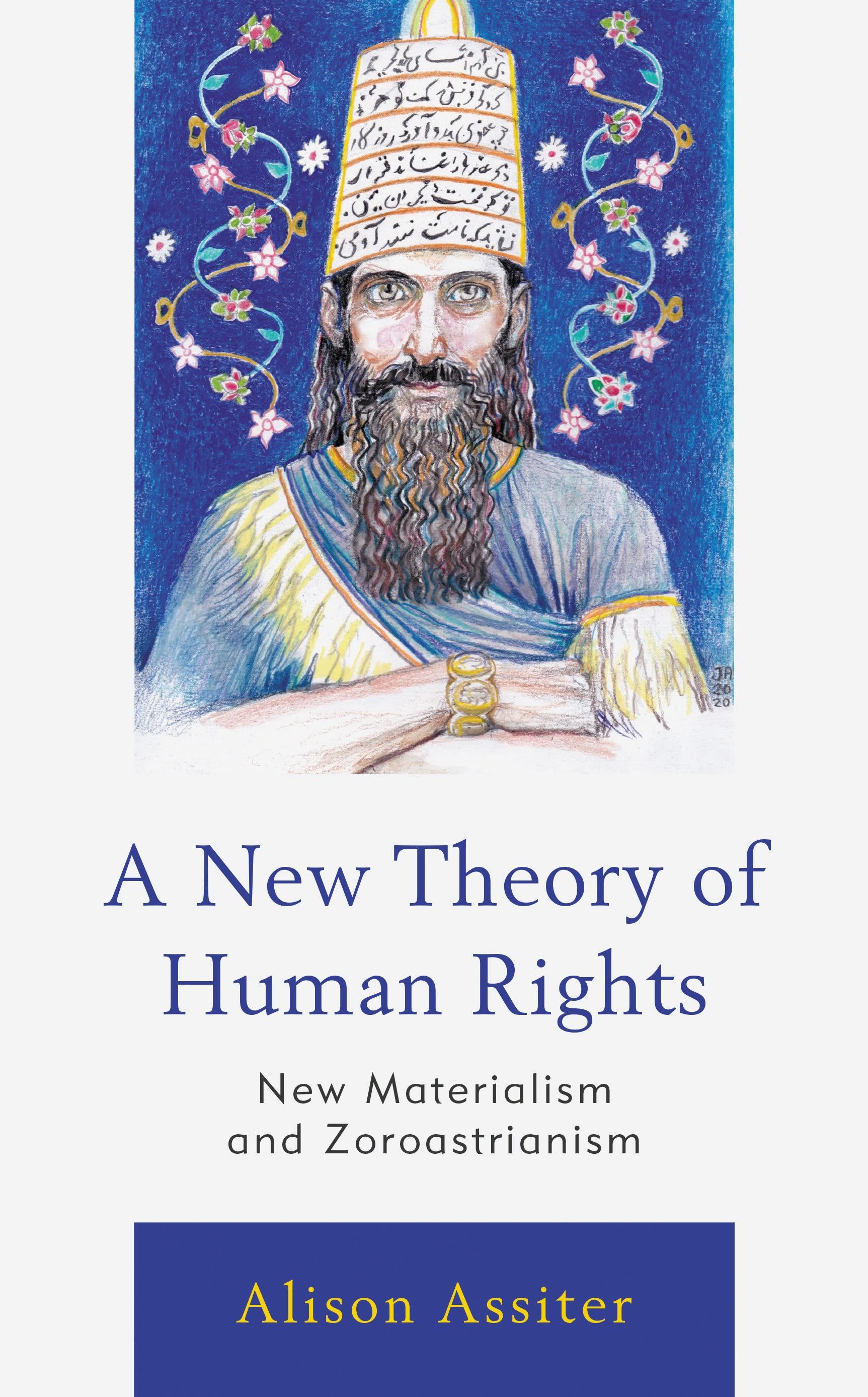
This book offers a new materialist thesis that focuses on the dynamic biological core of humans, shared with other animals and the rest of the natural world, to develop a radical theory of human rights. It therefore makes a unique contribution to literature and to academic and societal debates both on new materialisms and on human rights.
Many on the political far right deride the concept of a human right. This has occurred in tandem with a growing contempt for the rule of law and for obligations to protect land or the environment, to recognize the rights of minorities, or even to respect the various mechanisms of democracy. On the other hand, ccontemporary ‘left-wing’ inspired literature has also rejected the concept of a human right as Enlightenment inspired and 'western’. This has gone hand in hand with a contestation of ‘essentialism’ and ‘universalism'. These theoretical positions have been variously critiqued as racist, sexist as well as Eurocentric.
Drawing on metaphysics and ethics, with protagonists drawn from traditions across analytic and continental philosophy and feminist theory, Assiter challenges these critics to form a distinctive new materialist position. Most people – defenders and critics - take for granted that the concept of human rights and the universal view of humanity derive from the European Enlightenment. However, this bookdevelops a different story of its origin, from the earlier period of both Aristotle and the Zoroastrian Persian Empire, and locates the concept of a right partly in our biological core, yet challenges the assumption that this is constructed by language of any kind specifically including scientific discourse.
Many on the political far right deride the concept of a human right. This has occurred in tandem with a growing contempt for the rule of law and for obligations to protect land or the environment, to recognize the rights of minorities, or even to respect the various mechanisms of democracy. On the other hand, ccontemporary ‘left-wing’ inspired literature has also rejected the concept of a human right as Enlightenment inspired and 'western’. This has gone hand in hand with a contestation of ‘essentialism’ and ‘universalism'. These theoretical positions have been variously critiqued as racist, sexist as well as Eurocentric.
Drawing on metaphysics and ethics, with protagonists drawn from traditions across analytic and continental philosophy and feminist theory, Assiter challenges these critics to form a distinctive new materialist position. Most people – defenders and critics - take for granted that the concept of human rights and the universal view of humanity derive from the European Enlightenment. However, this bookdevelops a different story of its origin, from the earlier period of both Aristotle and the Zoroastrian Persian Empire, and locates the concept of a right partly in our biological core, yet challenges the assumption that this is constructed by language of any kind specifically including scientific discourse.
Płać wygodnie kartą, Klarną, Apple Pay lub Google Pay. Nie jesteś zadowolony? Zawsze masz 14-dniową gwarancję zwrotu pieniędzy. Więcej przeczytasz w naszych warunkach. Masz pytania? Napisz do nas na hello@memmo.org.
Memmo ułatwia naukę – gdziekolwiek jesteś na świecie. U nas znajdziesz podręczniki i sprytne narzędzia do nauki w jednym miejscu: streszczenia, quizy, podcasty i fiszki. A do tego Ted, Twój kumpel do nauki, który odpowie na wszystko, co Cię nurtuje. Ponad 50 000 studentów już tu się uczy – stworzone, byś uczył się szybciej i mniej stresował.