
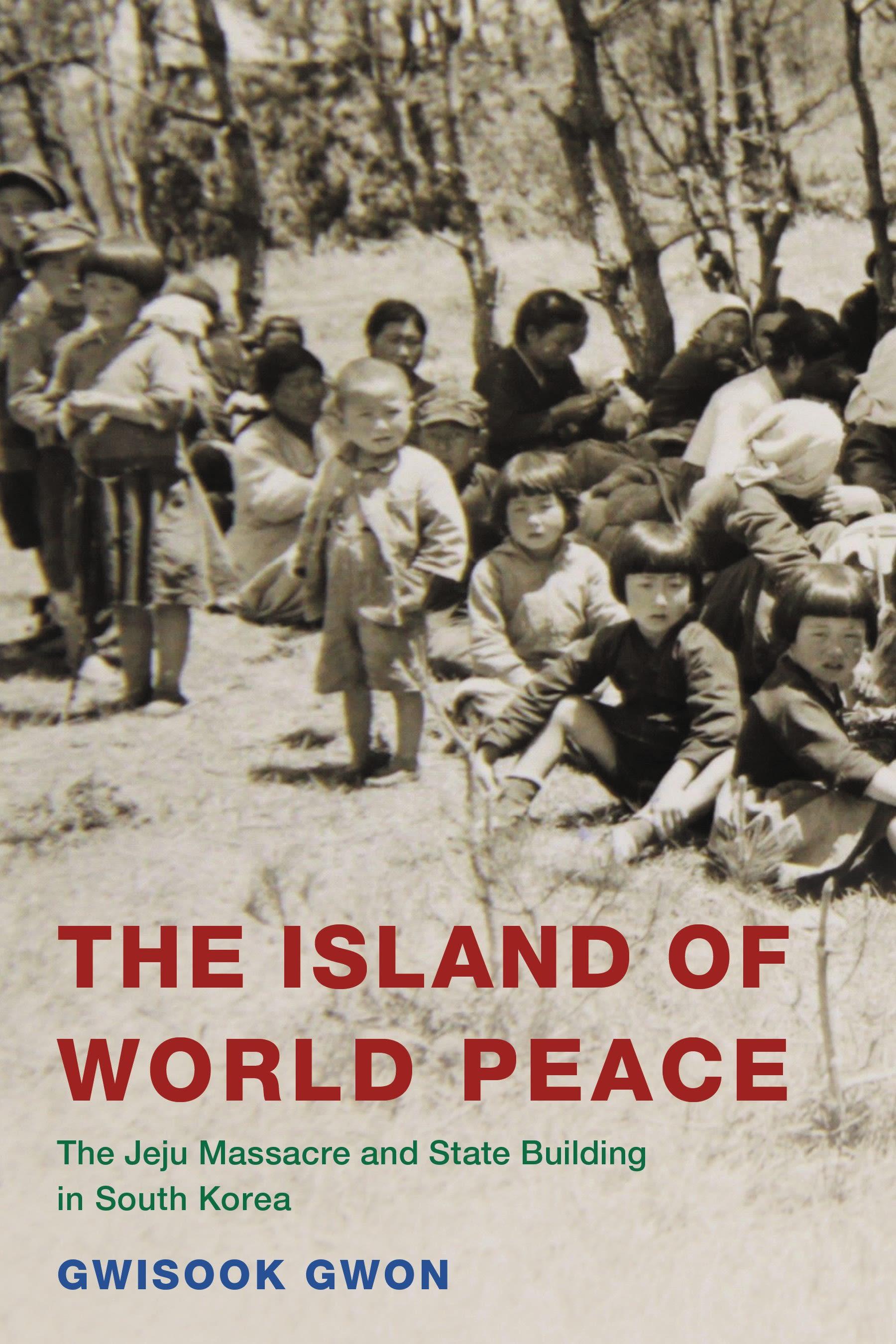
This book explores the history of the Jeju massacre (1947-1954), the deadest recognized civilian massacre in modern South Korean history, through the lens of state building in South Korea. Jeju-based sociologist Gwisook Gwon examines the massacre on Jeju Island in relation to the birth of anti-communist South Korea in the early Cold War, while also focusing on the reintegration of Jeju Islanders into the state through the history of Jeju soldiers in the Korean War (1950-1953) and the history of Jeju women in the economic recovery and modernization between the 1950s and the 1970s. The study of these post-massacre legacies is novel to South Korean history. The book also discusses the on-going reconciliation of the 4.3 historical conflicts and the transformation of Jeju into an “Island of World Peace.” This fresh and original study offers an empirical example of state-building processes at the local level in South Korea from the origin of the state to its democratization. In doing so, it contributes to several fields, including, the Korean War, state violence, conflict resolution studies, gender studies, and Asian and Korean studies.
Płać wygodnie kartą, Klarną, Apple Pay lub Google Pay. Nie jesteś zadowolony? Zawsze masz 14-dniową gwarancję zwrotu pieniędzy. Więcej przeczytasz w naszych warunkach. Masz pytania? Napisz do nas na hello@memmo.org.
Memmo ułatwia naukę – gdziekolwiek jesteś na świecie. U nas znajdziesz podręczniki i sprytne narzędzia do nauki w jednym miejscu: streszczenia, quizy, podcasty i fiszki. A do tego Ted, Twój kumpel do nauki, który odpowie na wszystko, co Cię nurtuje. Ponad 50 000 studentów już tu się uczy – stworzone, byś uczył się szybciej i mniej stresował.