
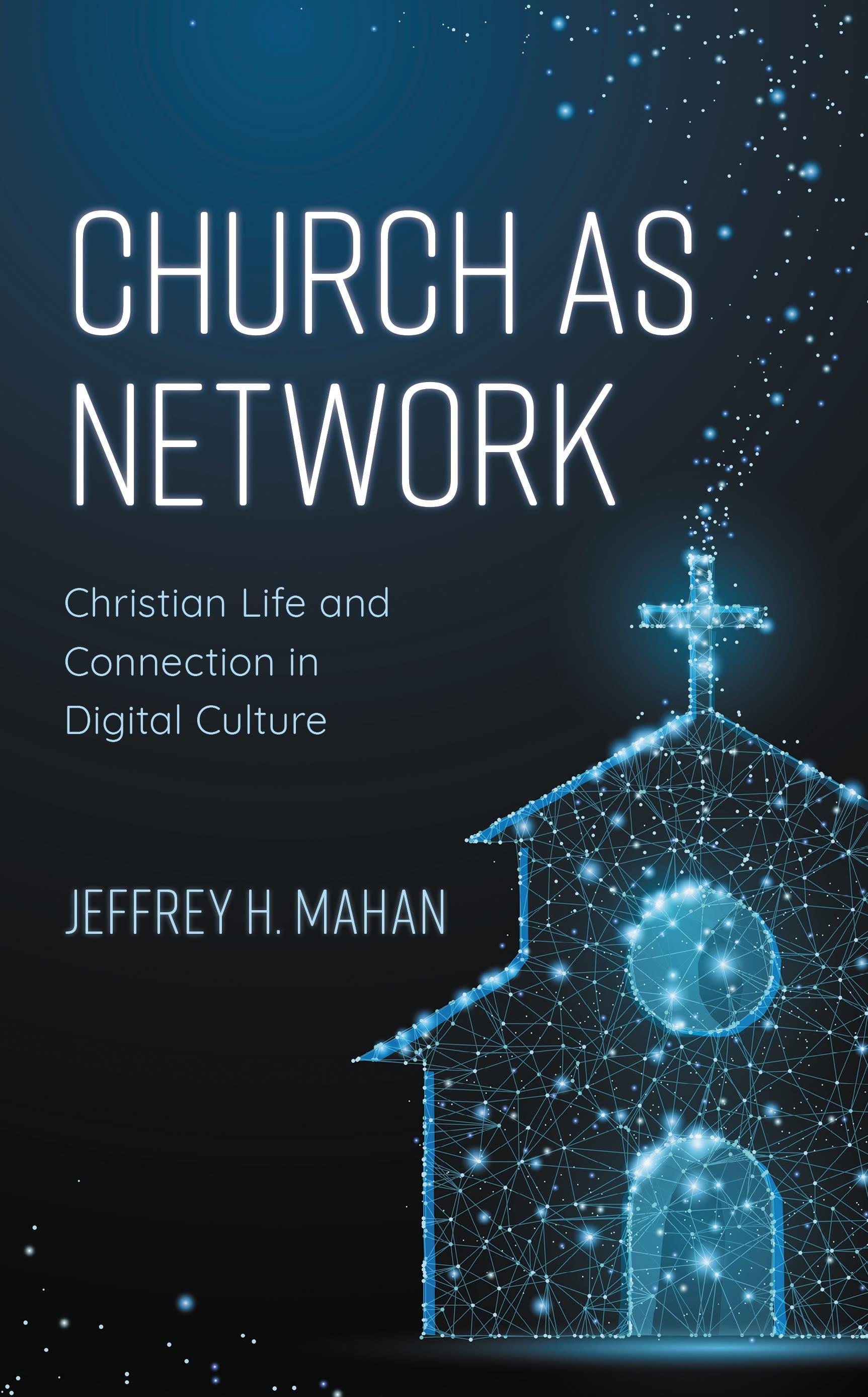
Just as the emergence of print and literacy created conditions for vast religious change at the time of the Reformation, the emergence of a digital culture shaped by computers and the internet has led to radically different assumptions about religious identity, how people connect and maintain transformative relationships, and how people follow and give authority to leaders. The central issues concerning this digital culture are not technological but theological and anthropological. Old models of stable religious identity and community seem irrelevant in a culture in which everyone is in motion. The book identifies three profound changes produced by digital culture which challenge existing understandings of church: 1) a shift to seeing Christian identity as an ongoing constructive project, 2) the development of fluid networked forms of community, and 3) the emergence of less hierarchical more conversational forms of leadership.
Płać wygodnie kartą, Klarną, Apple Pay lub Google Pay. Nie jesteś zadowolony? Zawsze masz 14-dniową gwarancję zwrotu pieniędzy. Więcej przeczytasz w naszych warunkach. Masz pytania? Napisz do nas na hello@memmo.org.
Memmo ułatwia naukę – gdziekolwiek jesteś na świecie. U nas znajdziesz podręczniki i sprytne narzędzia do nauki w jednym miejscu: streszczenia, quizy, podcasty i fiszki. A do tego Ted, Twój kumpel do nauki, który odpowie na wszystko, co Cię nurtuje. Ponad 50 000 studentów już tu się uczy – stworzone, byś uczył się szybciej i mniej stresował.