
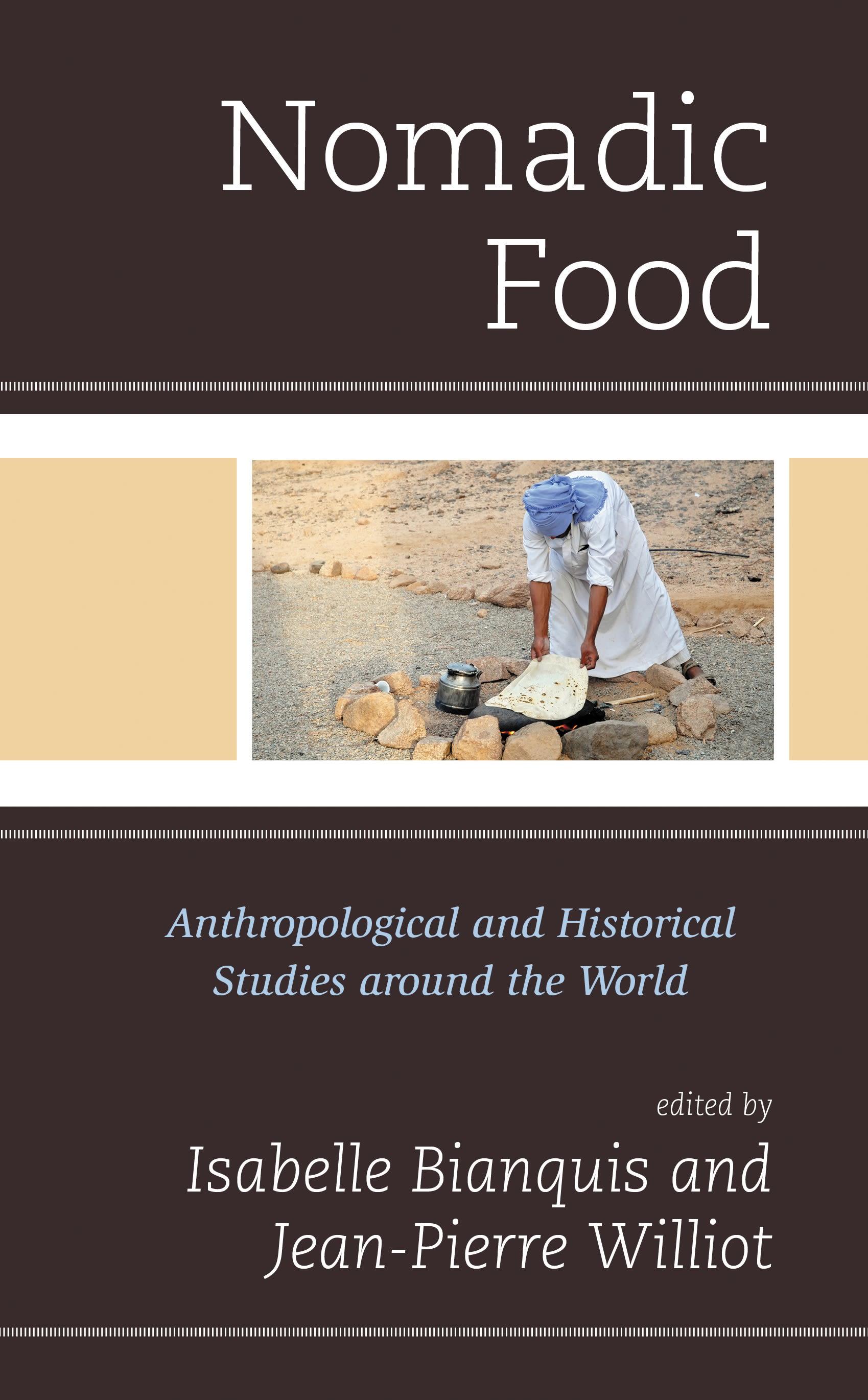
In this book, contributors examine the many meanings of the term 'nomad' through the study of food habits. Food and beverage products have become just as nomadic as other objects, such as telephones and computers, whereas in the past only food and money were able to move about with their carriers. Food industries have seized control of this trend to make it the characteristic feature of consumption outside the home - always faster and more convenient, the just-in-time meal: 'what I want, when I want, where I want', snacks, finger food, and street food. The terms reveal the contemporary modernity and spread of food practices, but they are only modified versions of older and more uncommon forms of behavior. Mobility, in the sense of multiple forms of moving about using public or individual, and possibly intermodal, means of transport, on spatial scales and temporal rhythms which are frequent and recurring but variable, responding to professional or leisure needs, can serve as a basic premise in order to gain insight into the concept of food nomadism.
Płać wygodnie kartą, Klarną, Apple Pay lub Google Pay. Nie jesteś zadowolony? Zawsze masz 14-dniową gwarancję zwrotu pieniędzy. Więcej przeczytasz w naszych warunkach. Masz pytania? Napisz do nas na hello@memmo.org.
Memmo ułatwia naukę – gdziekolwiek jesteś na świecie. U nas znajdziesz podręczniki i sprytne narzędzia do nauki w jednym miejscu: streszczenia, quizy, podcasty i fiszki. A do tego Ted, Twój kumpel do nauki, który odpowie na wszystko, co Cię nurtuje. Ponad 50 000 studentów już tu się uczy – stworzone, byś uczył się szybciej i mniej stresował.