
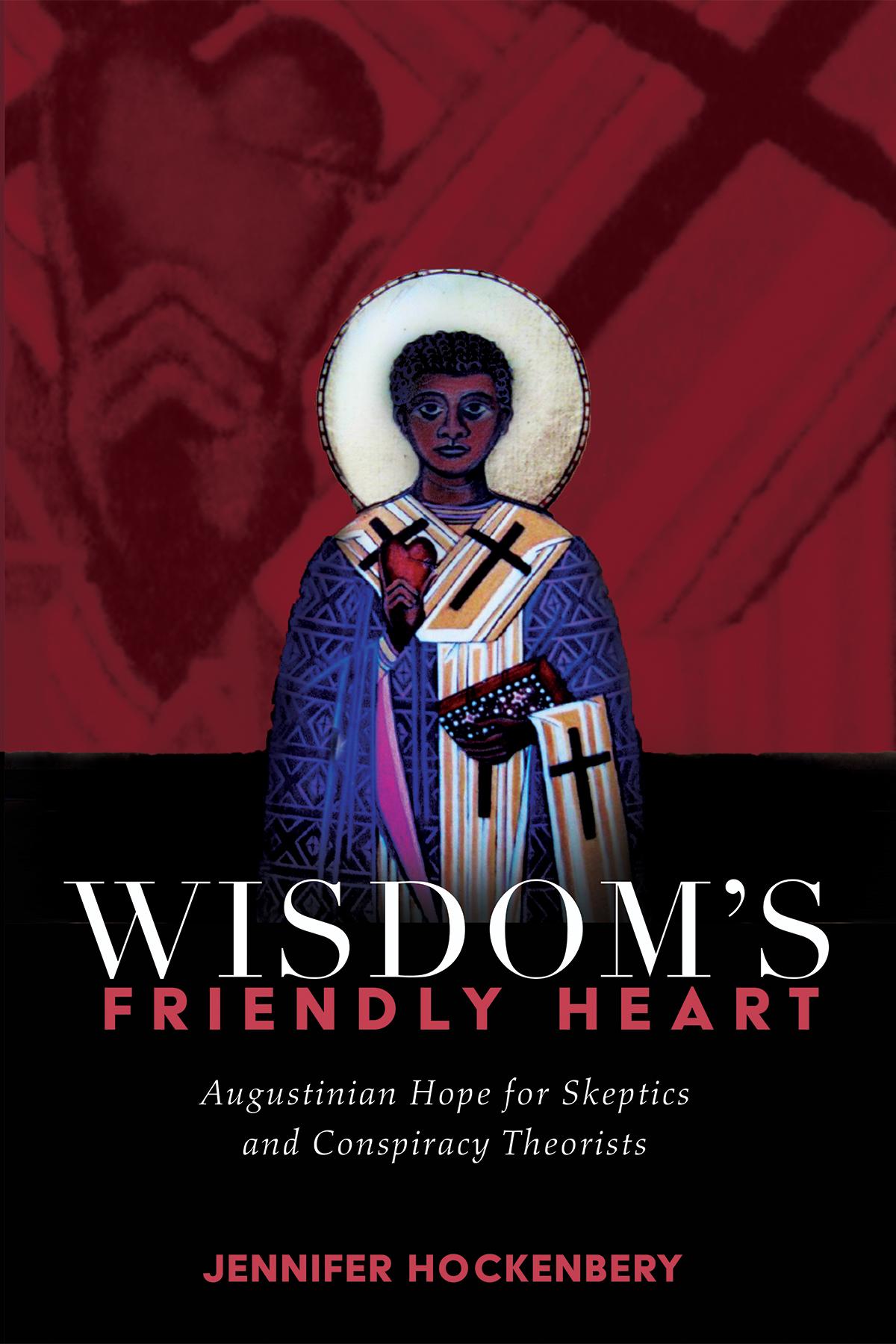
Sixteen-hundred years ago, Augustine begged his African congregants to think rationally, pay attention to evidence, and listen to their neighbors. He knew this would not be easy. He knew that human error is more common than human knowledge. He himself had been a member of an elitist cult for nearly ten years and then had spent several years as a skeptic resigned to seeking wealth and honors rather than hoping for truth or goodness. He would not be surprised by the rise of white supremacist cults or the nihilistic apathy that have arisen in the "post truth" era. He had seen nativism, elitism, fear, and doubt rise in response to a crisis of hope that truth could be found, a crisis that led to the use of physical force rather than educated disputation, a crisis that ended in the fall of both Rome and Carthage to Vandals and Visigoths.
Augustine's response was to preach publically the hope that encouraged him in his own personal quest for a happy life. This book examines that hope in Augustine's context until the current moment.
Płać wygodnie kartą, Klarną, Apple Pay lub Google Pay. Nie jesteś zadowolony? Zawsze masz 14-dniową gwarancję zwrotu pieniędzy. Więcej przeczytasz w naszych warunkach. Masz pytania? Napisz do nas na hello@memmo.org.
Memmo ułatwia naukę – gdziekolwiek jesteś na świecie. U nas znajdziesz podręczniki i sprytne narzędzia do nauki w jednym miejscu: streszczenia, quizy, podcasty i fiszki. A do tego Ted, Twój kumpel do nauki, który odpowie na wszystko, co Cię nurtuje. Ponad 50 000 studentów już tu się uczy – stworzone, byś uczył się szybciej i mniej stresował.
Może Ci się spodobać
Kup książkę0