
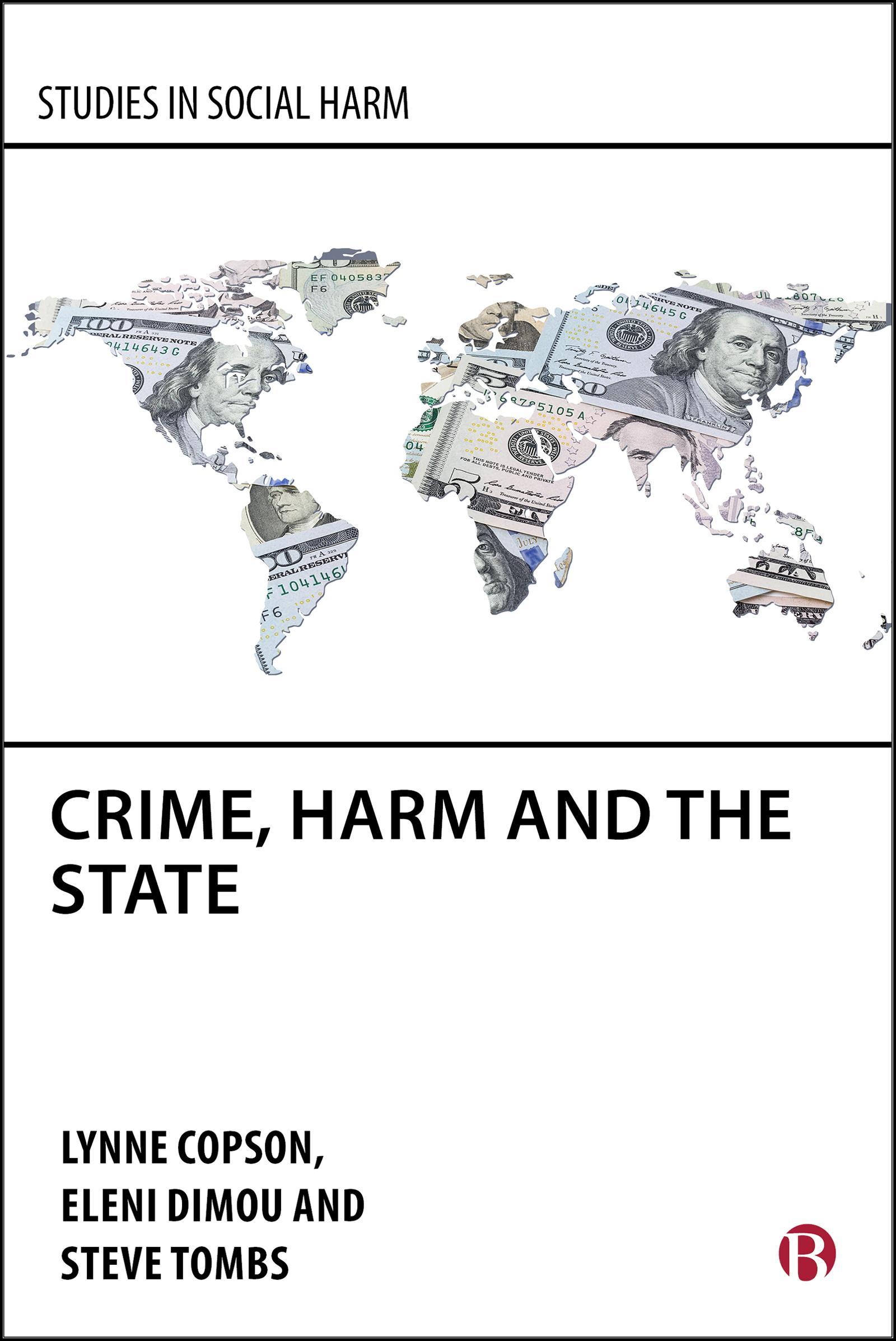
Why are some harms defined as crimes while others are not? This pioneering collection disrupts the boundaries of criminology, offering a bold, innovative exploration of crime, state power and social harm across historical and global contexts.
Bridging zemiology, governmentality studies, and decolonial theory, this book offers a fresh perspective on how the colonial roots and ongoing dynamics of global capitalism perpetuate harm, particularly in the Global South. Through compelling case studies on topics such as tourism, drugs, non-human animals, food, ecology, minoritized groups and migration, it reveals how colonial legacies and structural injustices shape who experiences harm, whose experiences are acknowledged - and how harm may be resisted.
Płać wygodnie kartą, Klarną, Apple Pay lub Google Pay. Nie jesteś zadowolony? Zawsze masz 14-dniową gwarancję zwrotu pieniędzy. Więcej przeczytasz w naszych warunkach. Masz pytania? Napisz do nas na hello@memmo.org.
Memmo ułatwia naukę – gdziekolwiek jesteś na świecie. U nas znajdziesz podręczniki i sprytne narzędzia do nauki w jednym miejscu: streszczenia, quizy, podcasty i fiszki. A do tego Ted, Twój kumpel do nauki, który odpowie na wszystko, co Cię nurtuje. Ponad 50 000 studentów już tu się uczy – stworzone, byś uczył się szybciej i mniej stresował.