
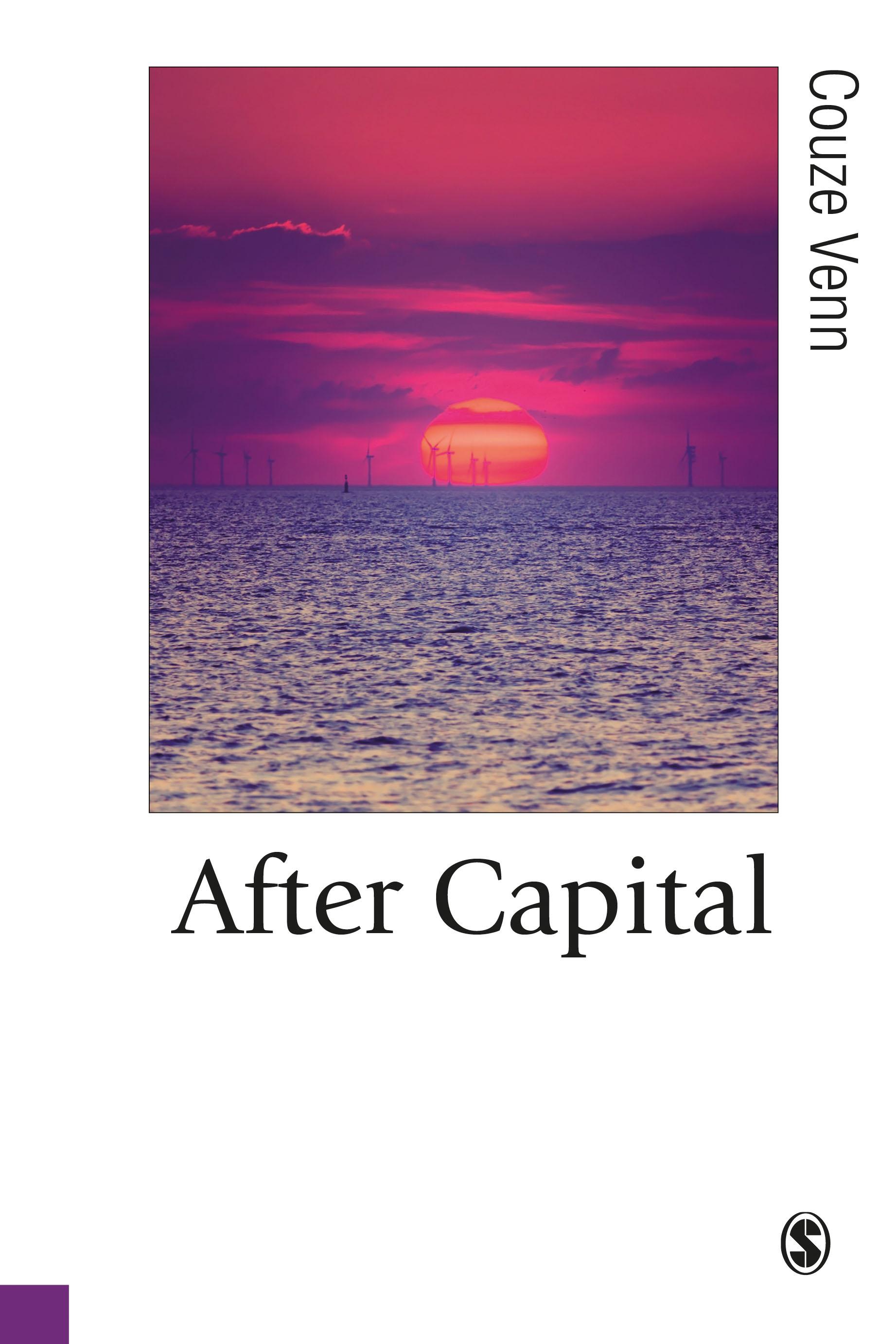
The present crisis of capitalism has a history. A history of the private accumulation of wealth through property regimes which allow increasing commodification and the privatisation of resources: from land to knowledge and even to life itself. Understanding that history may allow us to imagine alternatives after Capital which are no longer private but common.
After Capital explores this history, showing how the economy is linked to environmental damage, climate change, resource depletion, and to massive inequality. It takes the reader from liberalism to neoliberalism, from climate change to the Anthropocene, and shows how this history is inextricably the history of colonialism. It is a rich and detailed narrative of capitalism over the last 200 years, that explains its texture and its neoliberal endgame.
This discussion frames speculation on what postcapitalist societies could be, with regimes of private accumulation replaced by a politics and ethics of a democratic and ecologically- grounded Commons.
Płać wygodnie kartą, Klarną, Apple Pay lub Google Pay. Nie jesteś zadowolony? Zawsze masz 14-dniową gwarancję zwrotu pieniędzy. Więcej przeczytasz w naszych warunkach. Masz pytania? Napisz do nas na hello@memmo.org.
Memmo ułatwia naukę – gdziekolwiek jesteś na świecie. U nas znajdziesz podręczniki i sprytne narzędzia do nauki w jednym miejscu: streszczenia, quizy, podcasty i fiszki. A do tego Ted, Twój kumpel do nauki, który odpowie na wszystko, co Cię nurtuje. Ponad 50 000 studentów już tu się uczy – stworzone, byś uczył się szybciej i mniej stresował.