
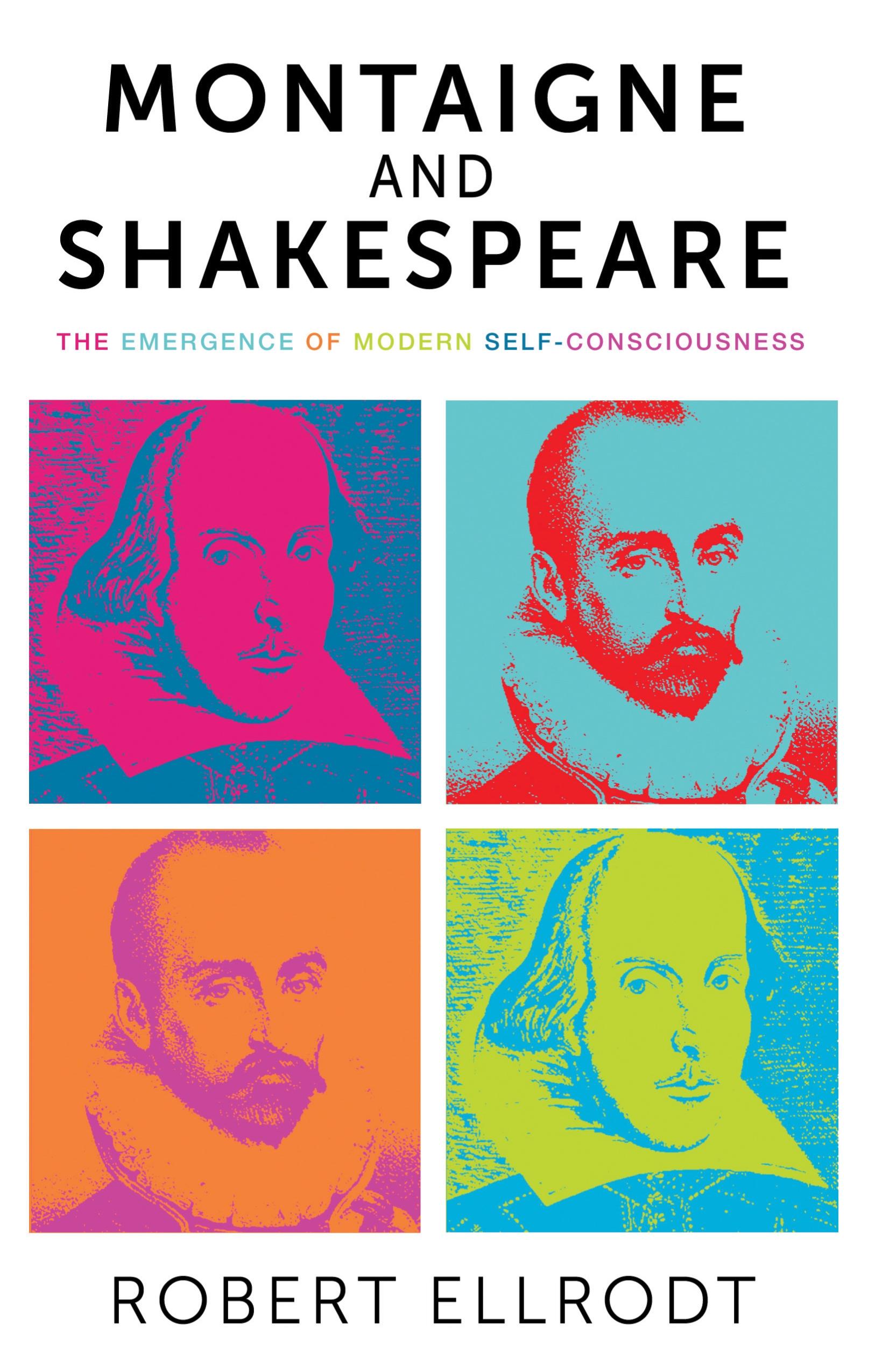
This book is not merely a study of Shakespeare’s debt to Montaigne. It traces the evolution of self-consciousness in literary, philosophical and religious writings from antiquity to the Renaissance and demonstrates that its early modern forms first appeared in the Essays and in Shakespearean drama. It shows, however, that, contrary to some postmodern assumptions, the early calling in question of the self did not lead to a negation of identity. Montaigne acknowledged the fairly stable nature of his personality and Shakespeare, as Dryden noted, maintained 'the constant conformity of each character to itself from its very first setting out in the Play quite to the End'.
A similar evolution is traced in the progress from an objective to a subjective apprehension of time from Greek philosophy to early modern authors. A final chapter shows that the influence of scepticism on Montaigne and Shakespeare was counterbalanced by their reliance on permanent humanistic values.
Płać wygodnie kartą, Klarną, Apple Pay lub Google Pay. Nie jesteś zadowolony? Zawsze masz 14-dniową gwarancję zwrotu pieniędzy. Więcej przeczytasz w naszych warunkach. Masz pytania? Napisz do nas na hello@memmo.org.
Memmo ułatwia naukę – gdziekolwiek jesteś na świecie. U nas znajdziesz podręczniki i sprytne narzędzia do nauki w jednym miejscu: streszczenia, quizy, podcasty i fiszki. A do tego Ted, Twój kumpel do nauki, który odpowie na wszystko, co Cię nurtuje. Ponad 50 000 studentów już tu się uczy – stworzone, byś uczył się szybciej i mniej stresował.