
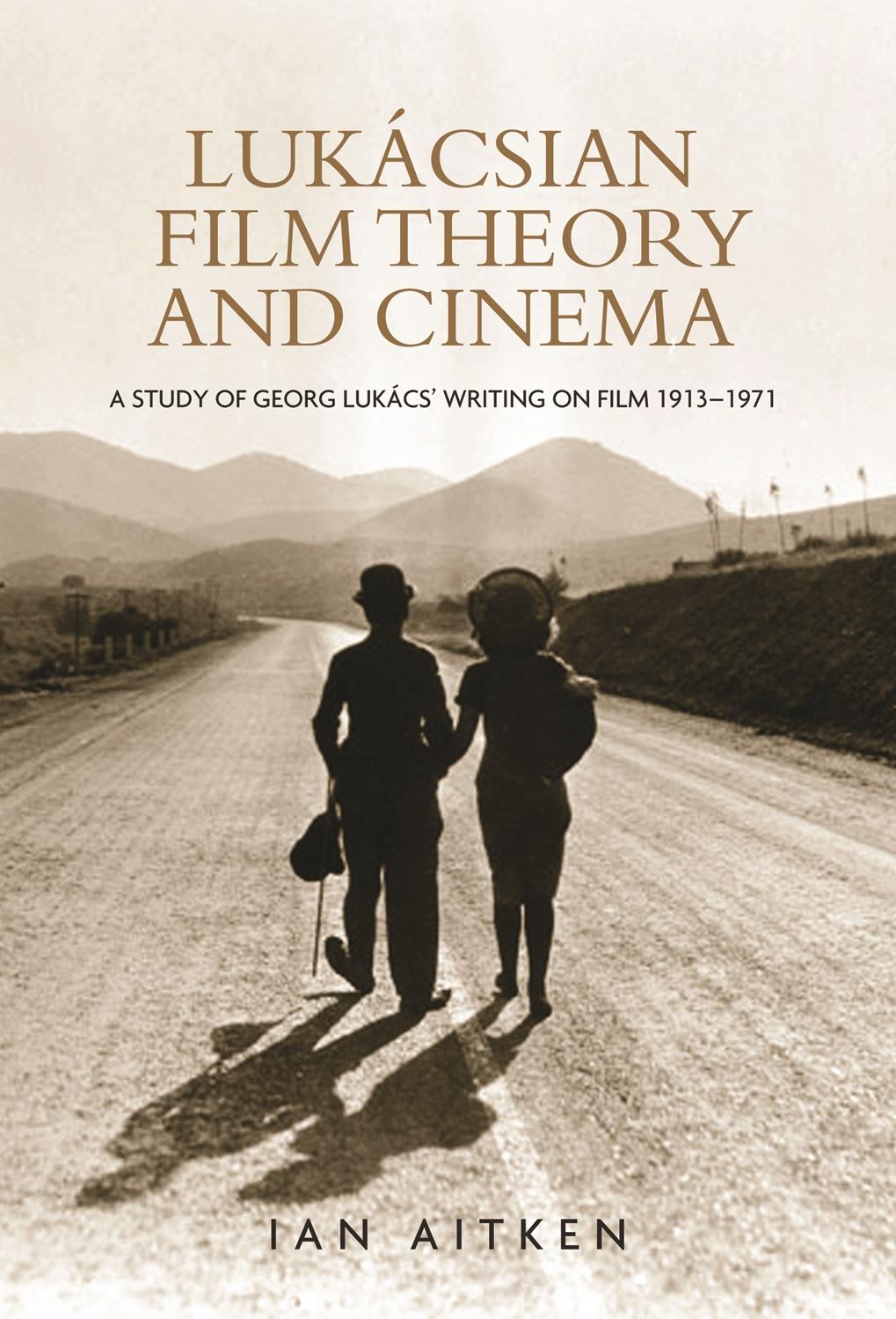
Lukácsian film theory and cinema explores Georg Lukács’ writings on film. The Hungarian Marxist critic Georg Lukács is primarily known as a literary theorist, but he also wrote extensively on the cinema. These writings have remained little known in the English-speaking world because the great majority of them have never actually been translated into English – until now. Aitken has gathered together the most important essays and the translations appear here, often for the first time.
This book thus makes a decisive contribution to understandings of Lukács within the field of film studies, and, in doing so, also challenges many existing preconceptions concerning his theoretical position. For example, whilst Lukács’ literary theory is well known for its repudiation of naturalism, in his writings on film Lukács appears to advance a theory and practice of film that can best be described as naturalist.
Lukácsian film theory and cinema is divided into two parts. In part one, Lukács’ writings on film are explored, and placed within relevant historical and intellectual contexts, whilst part two consists of the essays themselves.
This book will be of considerable interest to scholars and students working within the fields of film studies, literary studies, intellectual history, media and cultural studies. It is also intended to be the final volume in a trilogy of works on cinematic realism, which includes the author’s earlier European film theory and cinema (2001), and Realist film theory and cinema (2006).
Płać wygodnie kartą, Klarną, Apple Pay lub Google Pay. Nie jesteś zadowolony? Zawsze masz 14-dniową gwarancję zwrotu pieniędzy. Więcej przeczytasz w naszych warunkach. Masz pytania? Napisz do nas na hello@memmo.org.
Memmo ułatwia naukę – gdziekolwiek jesteś na świecie. U nas znajdziesz podręczniki i sprytne narzędzia do nauki w jednym miejscu: streszczenia, quizy, podcasty i fiszki. A do tego Ted, Twój kumpel do nauki, który odpowie na wszystko, co Cię nurtuje. Ponad 50 000 studentów już tu się uczy – stworzone, byś uczył się szybciej i mniej stresował.