
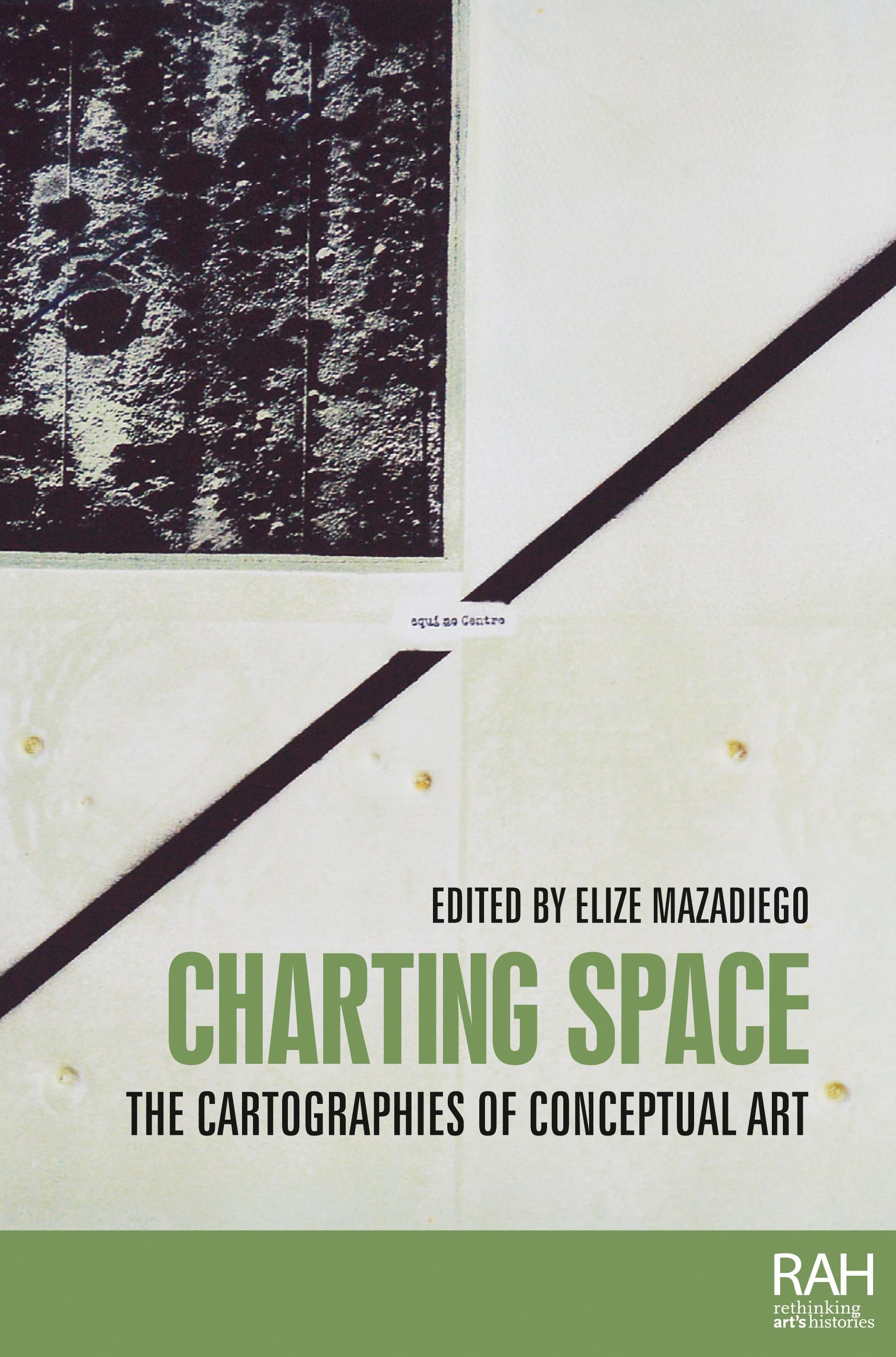
By the late 1960s cartographic formats and spatial information had become a regular feature in many conceptual artworks. This volume offers a rich study of conceptualisms’ mapping practices that includes more expanded forms of spatial representation.
The book presents twelve in-depth case studies that address artists’ engagement with matters of space at a time when space was garnering new significance in art, theory and culture. The chapters shed fresh light on an evident ‘spatial turn’ that took place from the postwar to the contemporary period, revealing how it was influenced by larger historical, social and cultural contexts.
In addition to raising questions about conceptualism’s relationship to the world, the contributors illustrate how artists’ cartographies served as critical sites for formulating their politics, upsetting prevailing systems and graphing new, heterogenous spaces.
Płać wygodnie kartą, Klarną, Apple Pay lub Google Pay. Nie jesteś zadowolony? Zawsze masz 14-dniową gwarancję zwrotu pieniędzy. Więcej przeczytasz w naszych warunkach. Masz pytania? Napisz do nas na hello@memmo.org.
Memmo ułatwia naukę – gdziekolwiek jesteś na świecie. U nas znajdziesz podręczniki i sprytne narzędzia do nauki w jednym miejscu: streszczenia, quizy, podcasty i fiszki. A do tego Ted, Twój kumpel do nauki, który odpowie na wszystko, co Cię nurtuje. Ponad 50 000 studentów już tu się uczy – stworzone, byś uczył się szybciej i mniej stresował.