
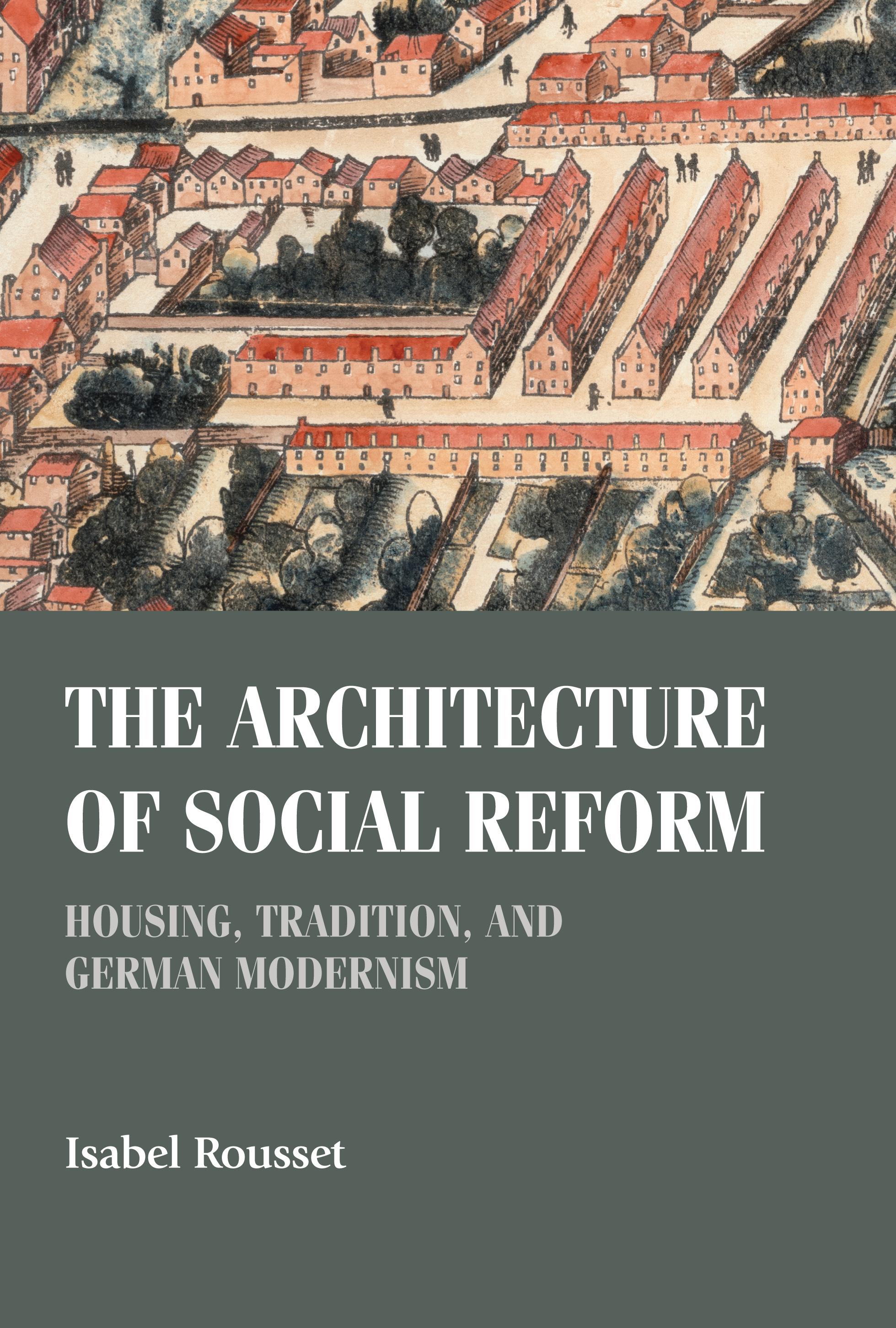
The architecture of social reform explores the fascinating intellectual origins of modern architecture’s obsession with domesticity. Copiously illustrated, Rousset’s revealing analysis demonstrates how questions over aesthetics, style, urbanization, and technology that gripped the modernist imagination were deeply ingrained in a larger concern to reform society through housing. The increasing demand for new housing in Germany’s rapidly growing cities fostered critical exchanges between a heterogeneous group of actors, including architects, urban theorists, planners, and social scientists, who called for society to be freed from class antagonism through the provision of good, modest, traditionally-minded domestic design. Offering a compelling account of architecture’s ability to act socially, the book provocatively argues that architectural theory underwent its most critical epistemological transformation in relation to the dynamics of modern class politics long before the arrival of the avant-garde.
Płać wygodnie kartą, Klarną, Apple Pay lub Google Pay. Nie jesteś zadowolony? Zawsze masz 14-dniową gwarancję zwrotu pieniędzy. Więcej przeczytasz w naszych warunkach. Masz pytania? Napisz do nas na hello@memmo.org.
Memmo ułatwia naukę – gdziekolwiek jesteś na świecie. U nas znajdziesz podręczniki i sprytne narzędzia do nauki w jednym miejscu: streszczenia, quizy, podcasty i fiszki. A do tego Ted, Twój kumpel do nauki, który odpowie na wszystko, co Cię nurtuje. Ponad 50 000 studentów już tu się uczy – stworzone, byś uczył się szybciej i mniej stresował.
Może Ci się spodobać
Kup książkę0