
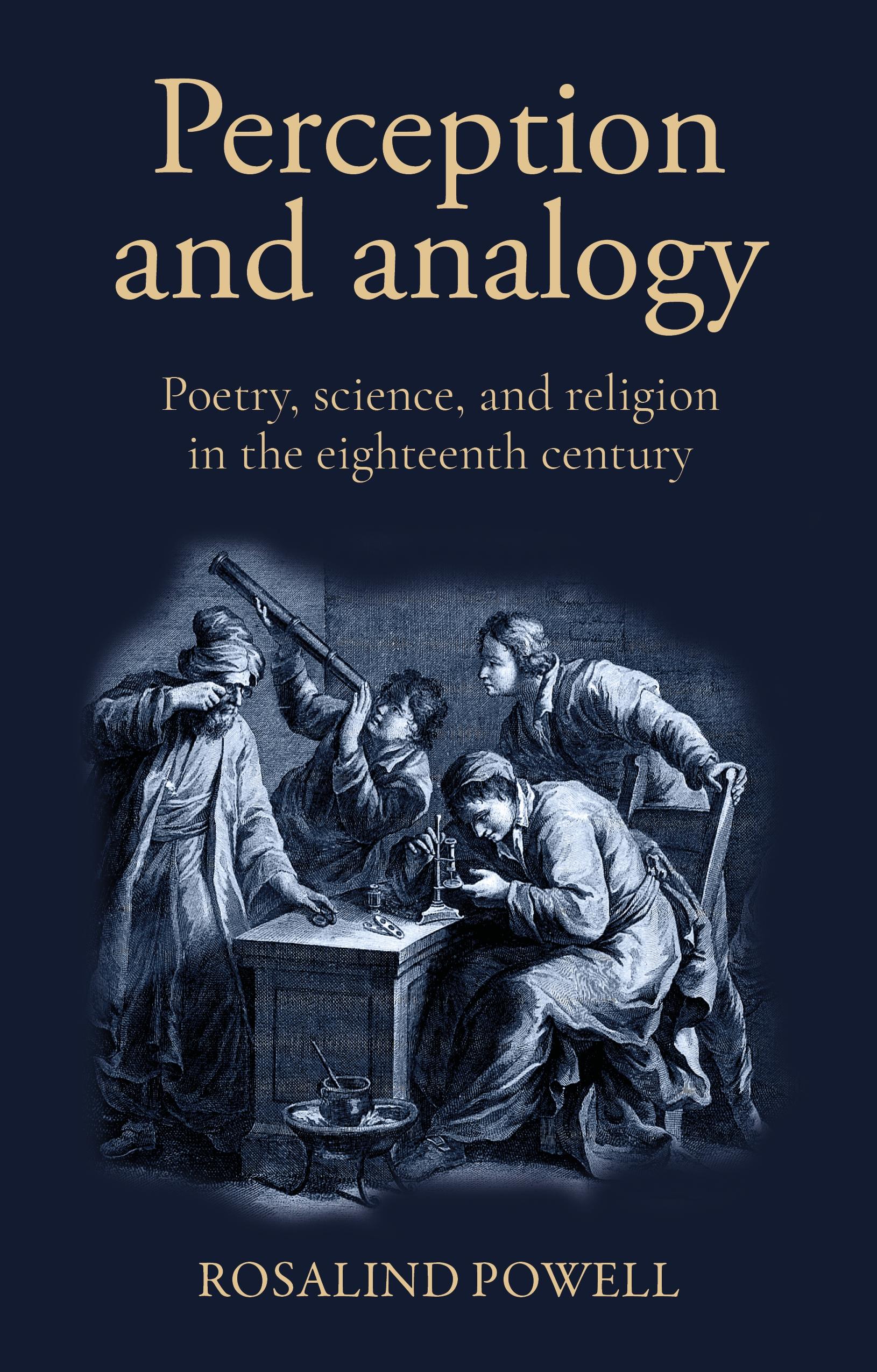
Perception and analogy explores ways of seeing scientifically in the eighteenth century. The book examines how sensory experience is conceptualised during the period, drawing novel connections between treatments of perception as an embodied phenomenon and the creative methods employed by natural philosophers. Covering a wealth of literary, theological, and pedagogical texts that engage with astronomy, optics, ophthalmology, and the body, it argues for the significance of analogies for conceptualising and explaining new scientific ideas. As well as identifying their use in religious and topographical poetry, the book addresses how analogies are visible in material culture through objects such as orreries, camera obscuras, and aeolian harps. It makes the vital claim that scientific concepts become intertwined with Christian discourse through reinterpretations of origins and signs, the scope of the created universe, and the limits of embodied knowledge.
Płać wygodnie kartą, Klarną, Apple Pay lub Google Pay. Nie jesteś zadowolony? Zawsze masz 14-dniową gwarancję zwrotu pieniędzy. Więcej przeczytasz w naszych warunkach. Masz pytania? Napisz do nas na hello@memmo.org.
Memmo ułatwia naukę – gdziekolwiek jesteś na świecie. U nas znajdziesz podręczniki i sprytne narzędzia do nauki w jednym miejscu: streszczenia, quizy, podcasty i fiszki. A do tego Ted, Twój kumpel do nauki, który odpowie na wszystko, co Cię nurtuje. Ponad 50 000 studentów już tu się uczy – stworzone, byś uczył się szybciej i mniej stresował.
Może Ci się spodobać
Kup książkę0