
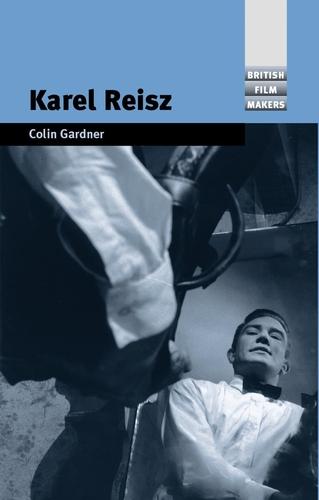
Czech-born refugee Karel Reisz (1926-2002) is widely regarded as one of the seminal figures in post-war British cinema. Along with Lindsay Anderson and Tony Richardson, Reisz was a founder member of the independent Free Cinema ‘movement’ which attacked the parochial middle-class values of home-grown studio product with a vigorous commitment to everyday working-class subject matter and a poetically-charged film style. This was immediately recognisable in the aesthetic of the international success of Reisz’s first feature, Saturday Night and Sunday Morning (1960).
As the import of Free Cinema rapidly dissipated during the ‘Swinging London’ era, Reisz confronted the changing cultural mores of the 1960s and ‘70s with a series of ambivalent films that critique the anarchic free spirit of the times, including Morgan (1966), Isadora (1968), The Gambler (1974) and Dog Soldiers (1978).
Drawing on Reisz’s early film criticism for Sequence and Sight and Sound, as well as interdisciplinary methodologies, this first career-length study explores Reisz’s personal brand of character-based realism, offering the spectator a privileged insight into an artist’s developing response to subjective and historical dislocation. The book should thus prove invaluable to film scholars, cultural historians and the Reisz aficionado.
Płać wygodnie kartą, Klarną, Apple Pay lub Google Pay. Nie jesteś zadowolony? Zawsze masz 14-dniową gwarancję zwrotu pieniędzy. Więcej przeczytasz w naszych warunkach. Masz pytania? Napisz do nas na hello@memmo.org.
Memmo ułatwia naukę – gdziekolwiek jesteś na świecie. U nas znajdziesz podręczniki i sprytne narzędzia do nauki w jednym miejscu: streszczenia, quizy, podcasty i fiszki. A do tego Ted, Twój kumpel do nauki, który odpowie na wszystko, co Cię nurtuje. Ponad 50 000 studentów już tu się uczy – stworzone, byś uczył się szybciej i mniej stresował.