
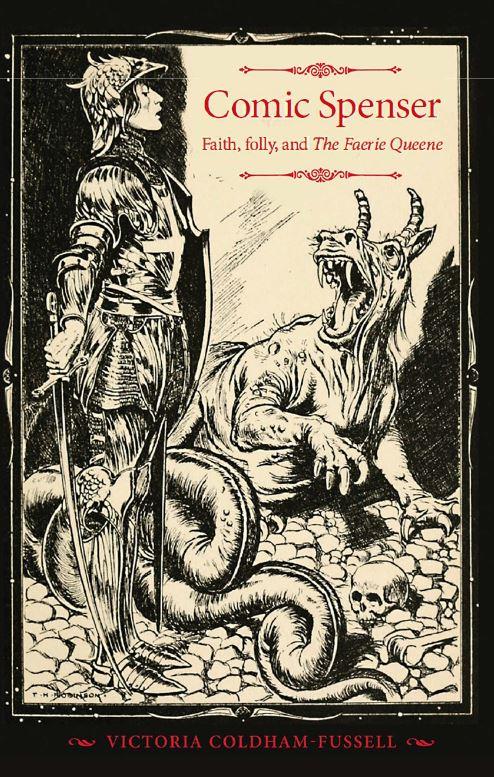
Once a byword for Protestant sobriety and moral idealism, Spenser is now better known for his irony and elusiveness. But this study argues that his sense of humour is still underestimated and misunderstood. In a series of bold reinterpretations of key episodes in The Faerie Queene, Victoria Coldham-Fussell demonstrates that humour goes to the heart of Spenser’s moral and doctrinal preoccupations. She charts amusing rifts between the poem’s ambitious and idealising postures and its Protestant vision of corruptible human nature; yet contends that Spenserian humour is an expression of tolerance and faith as well as an instrument of satire. This study’s application of modern comic theory to a key text of the English Renaissance and its detailed survey of the comic influences that shaped Spenser’s literary milieu will be indispensable to teachers of the Renaissance period, to students of comic literature, and to established Spenserians.
Płać wygodnie kartą, Klarną, Apple Pay lub Google Pay. Nie jesteś zadowolony? Zawsze masz 14-dniową gwarancję zwrotu pieniędzy. Więcej przeczytasz w naszych warunkach. Masz pytania? Napisz do nas na hello@memmo.org.
Memmo ułatwia naukę – gdziekolwiek jesteś na świecie. U nas znajdziesz podręczniki i sprytne narzędzia do nauki w jednym miejscu: streszczenia, quizy, podcasty i fiszki. A do tego Ted, Twój kumpel do nauki, który odpowie na wszystko, co Cię nurtuje. Ponad 50 000 studentów już tu się uczy – stworzone, byś uczył się szybciej i mniej stresował.
Może Ci się spodobać
Kup książkę0