
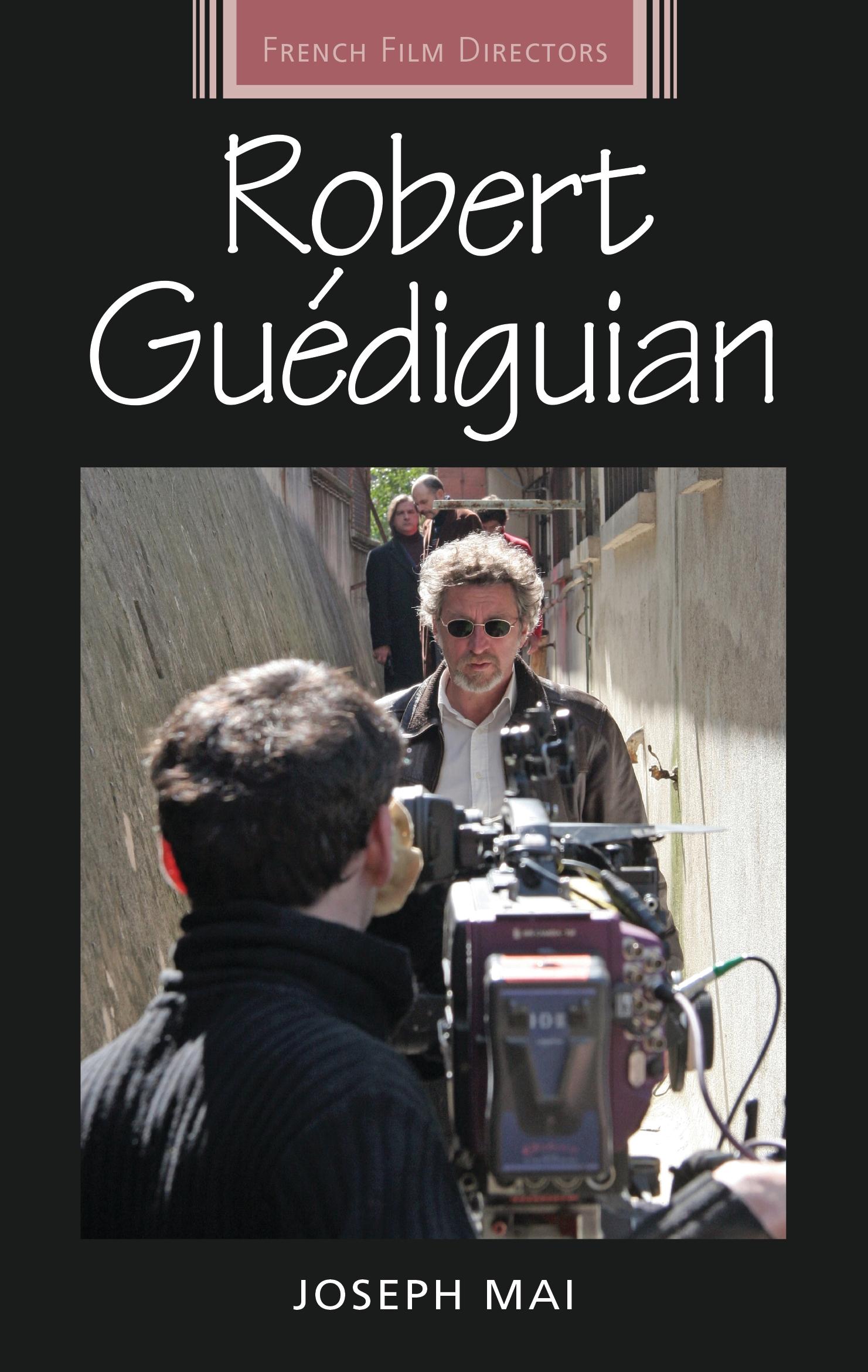
On one level, this book provides a concise and comprehensive account of Robert Guédiguian's numerous films, combining meticulous stylistic analyses with historical, political, and generic context. But more deeply, it makes the case that Guédiguian's work represents one of the most discretely original and radical projects of contemporary French cinema. When Marius et Jeannette (1997) made Guédiguian a household name in France, most viewers were unaware that the film's freshness was the product of a project that Guédiguian had started in 1981 and that continues today: to make politically committed films with friends, predominately in a local space, over a long period of time.
Starting with an in-depth consideration of the philosophy of friendship and its relation to politics, relation, time, and space, this book traces this unique collaboration. It starts in the Estaque neighborhood of Marseille and unfolds through the political transformations of the 1980s, the local activism of the 1990s, and spreads through Guédiguian's diverse experimentation with genres and registers. It emphasises Guédiguian's political assessments and his frequent meditations on history, violence, and utopia. But it returns consistently to the underlying themes of friendship, and thus intervenes at the crossroads of affect, politics, philosophy, and art.
Płać wygodnie kartą, Klarną, Apple Pay lub Google Pay. Nie jesteś zadowolony? Zawsze masz 14-dniową gwarancję zwrotu pieniędzy. Więcej przeczytasz w naszych warunkach. Masz pytania? Napisz do nas na hello@memmo.org.
Memmo ułatwia naukę – gdziekolwiek jesteś na świecie. U nas znajdziesz podręczniki i sprytne narzędzia do nauki w jednym miejscu: streszczenia, quizy, podcasty i fiszki. A do tego Ted, Twój kumpel do nauki, który odpowie na wszystko, co Cię nurtuje. Ponad 50 000 studentów już tu się uczy – stworzone, byś uczył się szybciej i mniej stresował.