
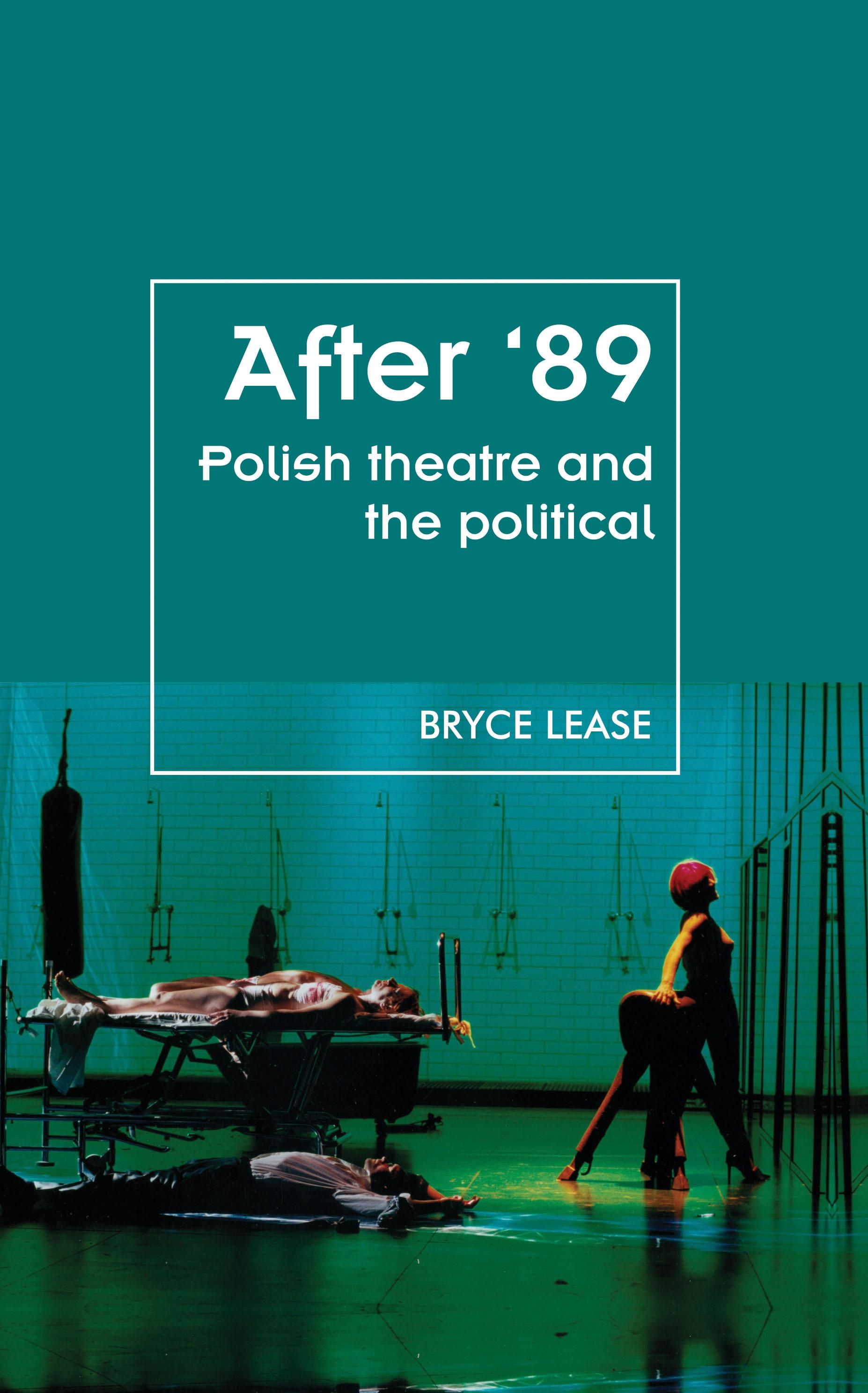
After '89 takes as its subject the dynamic new range of performance practices that have been developed since the demise of communism in the flourishing theatrical landscape of Poland. After 1989, the theatre has retained its historical role as the crucial space for debating and interrogating cultural and political identities. Providing access to scholarship and criticism not readily accessible to an English-speaking readership, this study surveys the rebirth of the theatre as a site of public intervention and social criticism since the establishment of democracy and the proliferation of theatre makers that have flaunted cultural commonplaces and begged new questions of Polish culture. Lease argues that the most significant change in performance practice after 1989 has been from opposition to the state to a more pluralistic practice that engages with marginalized identities purposefully left out of the rhetoric of freedom and independence.
Płać wygodnie kartą, Klarną, Apple Pay lub Google Pay. Nie jesteś zadowolony? Zawsze masz 14-dniową gwarancję zwrotu pieniędzy. Więcej przeczytasz w naszych warunkach. Masz pytania? Napisz do nas na hello@memmo.org.
Memmo ułatwia naukę – gdziekolwiek jesteś na świecie. U nas znajdziesz podręczniki i sprytne narzędzia do nauki w jednym miejscu: streszczenia, quizy, podcasty i fiszki. A do tego Ted, Twój kumpel do nauki, który odpowie na wszystko, co Cię nurtuje. Ponad 50 000 studentów już tu się uczy – stworzone, byś uczył się szybciej i mniej stresował.
Może Ci się spodobać
Kup książkę0