
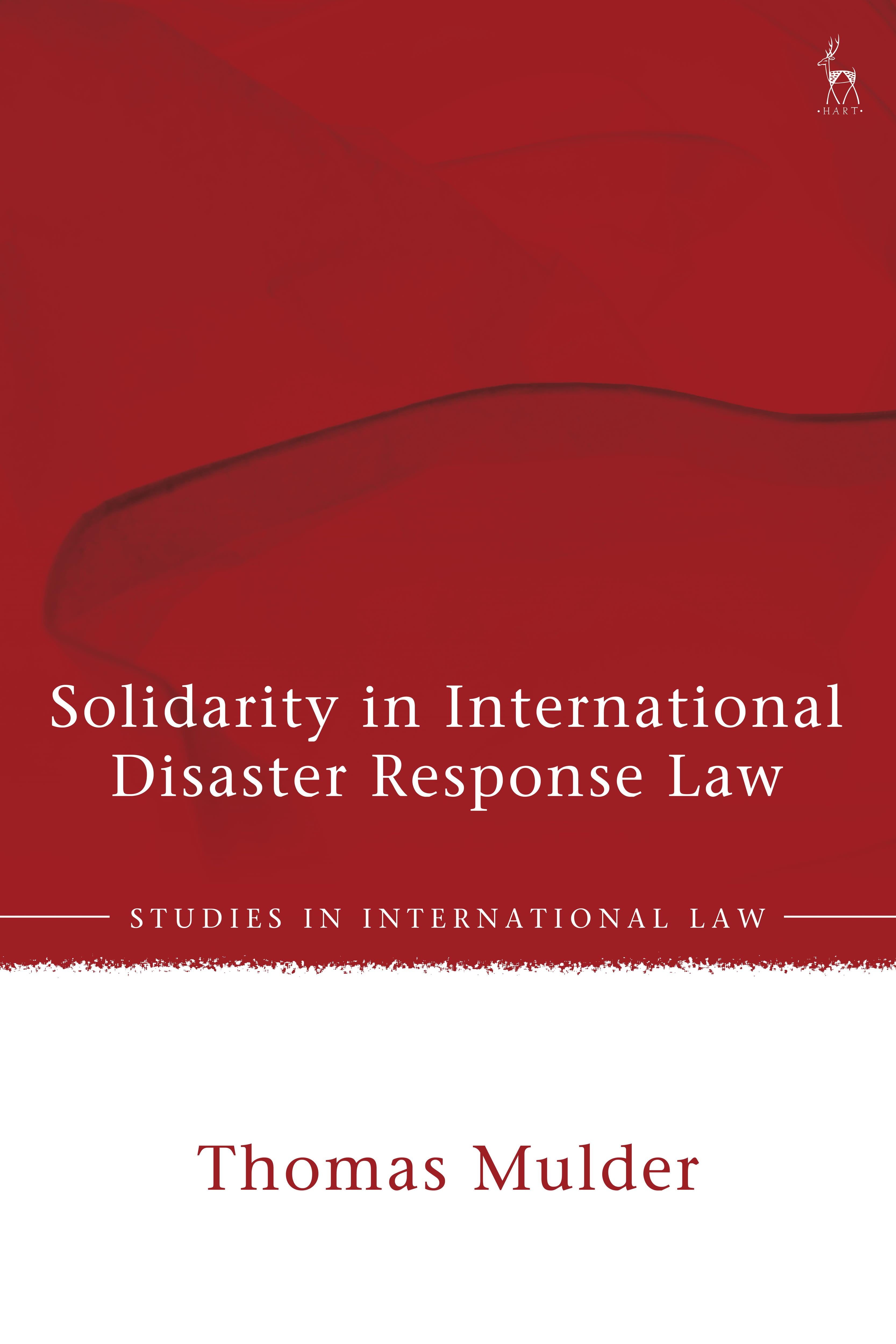
This is the first book to comprehensively explore the role of solidarity in international disaster response law (IDRL), offering a timely and transformative vision for this regime governing cooperation in disaster response.
As disasters intensify due to climate change, solidarity is increasingly invoked by states and others as a principle guiding disaster response. Yet its role remains underexplored and underutilised, risking solidarity to function as a mere rhetorical device. This book responds to that gap, offering a comprehensive examination of the meaning, legal status and implications of solidarity in IDRL. It demonstrates solidarity can reorient IDRL from a sovereignty-centred regime characterised by state autonomy and voluntarism to one focused on the protection of disaster-affected persons through differentiated international cooperation and assistance.
The book further explores how solidarity could reshape specific legal and practical issues that challenge international disaster response. By analysing these issues through the lens of solidarity, the book offers novel perspectives that can break new ground in finding concrete solutions for persistent challenges within the regime.
This analysis comes at a pivotal moment. In 2024, the United Nations initiated negotiations for a multilateral convention for international disaster response, signalling growing recognition of the need for a universal treaty in this area. Against this backdrop, the book is both timely and ambitious. It not only exposes the untapped potential of solidarity but also provides a practical roadmap for its implementation, seeking to shape the development of IDRL to meet the demands of an increasingly disaster-prone world.
As disasters intensify due to climate change, solidarity is increasingly invoked by states and others as a principle guiding disaster response. Yet its role remains underexplored and underutilised, risking solidarity to function as a mere rhetorical device. This book responds to that gap, offering a comprehensive examination of the meaning, legal status and implications of solidarity in IDRL. It demonstrates solidarity can reorient IDRL from a sovereignty-centred regime characterised by state autonomy and voluntarism to one focused on the protection of disaster-affected persons through differentiated international cooperation and assistance.
The book further explores how solidarity could reshape specific legal and practical issues that challenge international disaster response. By analysing these issues through the lens of solidarity, the book offers novel perspectives that can break new ground in finding concrete solutions for persistent challenges within the regime.
This analysis comes at a pivotal moment. In 2024, the United Nations initiated negotiations for a multilateral convention for international disaster response, signalling growing recognition of the need for a universal treaty in this area. Against this backdrop, the book is both timely and ambitious. It not only exposes the untapped potential of solidarity but also provides a practical roadmap for its implementation, seeking to shape the development of IDRL to meet the demands of an increasingly disaster-prone world.
Płać wygodnie kartą, Klarną, Apple Pay lub Google Pay. Nie jesteś zadowolony? Zawsze masz 14-dniową gwarancję zwrotu pieniędzy. Więcej przeczytasz w naszych warunkach. Masz pytania? Napisz do nas na hello@memmo.org.
Memmo ułatwia naukę – gdziekolwiek jesteś na świecie. U nas znajdziesz podręczniki i sprytne narzędzia do nauki w jednym miejscu: streszczenia, quizy, podcasty i fiszki. A do tego Ted, Twój kumpel do nauki, który odpowie na wszystko, co Cię nurtuje. Ponad 50 000 studentów już tu się uczy – stworzone, byś uczył się szybciej i mniej stresował.