
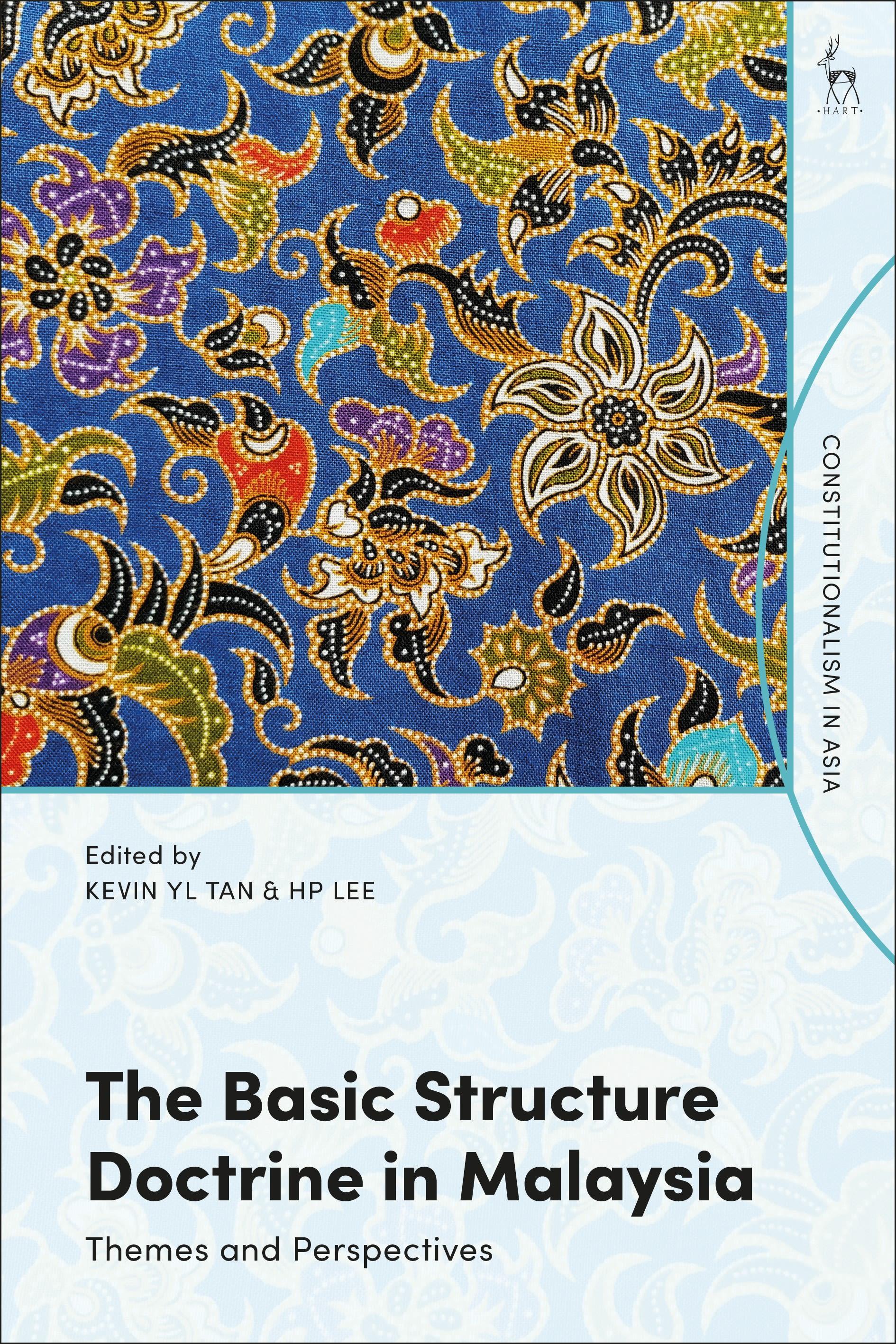
This book presents an in-depth interrogation of the theory and application of the Basic Structure Doctrine in the Federation of Malaysia.
The Basic Structure Doctrine, famously introduced in the 1973 Indian Supreme decision of Kesavananda Bharati v State of Kerala AIR – which held that certain core or fundamental features in the Constitution of India could not be amended by Parliament even if it met all procedural requirements – was initially rejected when it was first argued in Malaysia in the 1975 case of Loh Kooi Choon v Government of Malaysia and lay dormant for the next three decades.
Judicial winds shifted in 2010 when Malaysia's apex court, the Federal Court, cited Kesavananda with approval in the case of Sivarasa Rasiah v Badan Peguam Malaysia & Anor, and observed that it was 'clear from the way in which the Federal Constitution is constructed that there are certain features that constitute its basic fabric' and that 'any statute (including one amending the Constitution) that offends the basic structure may be struck down as unconstitutional.' In a quick succession of cases, the Federal Court cemented this doctrine in Malaysia's jurisprudence and deployed it to defend the court's judicial power. These widely-publicised cases generated much debate beyond the legal fraternity and judiciary and often polarised different sectors of Malaysian society.
This collection of essays responds to this extremely important debate on the limits of constitutional amendments as a form of constitution-making in Malaysia by considering the theory behind the Basic Structure Doctrine and critically examining how it has been harnessed by the Federal Court and by other political actors – most notably Islamists and secularists; and royalists and republicans – on the ground.
The Basic Structure Doctrine, famously introduced in the 1973 Indian Supreme decision of Kesavananda Bharati v State of Kerala AIR – which held that certain core or fundamental features in the Constitution of India could not be amended by Parliament even if it met all procedural requirements – was initially rejected when it was first argued in Malaysia in the 1975 case of Loh Kooi Choon v Government of Malaysia and lay dormant for the next three decades.
Judicial winds shifted in 2010 when Malaysia's apex court, the Federal Court, cited Kesavananda with approval in the case of Sivarasa Rasiah v Badan Peguam Malaysia & Anor, and observed that it was 'clear from the way in which the Federal Constitution is constructed that there are certain features that constitute its basic fabric' and that 'any statute (including one amending the Constitution) that offends the basic structure may be struck down as unconstitutional.' In a quick succession of cases, the Federal Court cemented this doctrine in Malaysia's jurisprudence and deployed it to defend the court's judicial power. These widely-publicised cases generated much debate beyond the legal fraternity and judiciary and often polarised different sectors of Malaysian society.
This collection of essays responds to this extremely important debate on the limits of constitutional amendments as a form of constitution-making in Malaysia by considering the theory behind the Basic Structure Doctrine and critically examining how it has been harnessed by the Federal Court and by other political actors – most notably Islamists and secularists; and royalists and republicans – on the ground.
Płać wygodnie kartą, Klarną, Apple Pay lub Google Pay. Nie jesteś zadowolony? Zawsze masz 14-dniową gwarancję zwrotu pieniędzy. Więcej przeczytasz w naszych warunkach. Masz pytania? Napisz do nas na hello@memmo.org.
Memmo ułatwia naukę – gdziekolwiek jesteś na świecie. U nas znajdziesz podręczniki i sprytne narzędzia do nauki w jednym miejscu: streszczenia, quizy, podcasty i fiszki. A do tego Ted, Twój kumpel do nauki, który odpowie na wszystko, co Cię nurtuje. Ponad 50 000 studentów już tu się uczy – stworzone, byś uczył się szybciej i mniej stresował.