
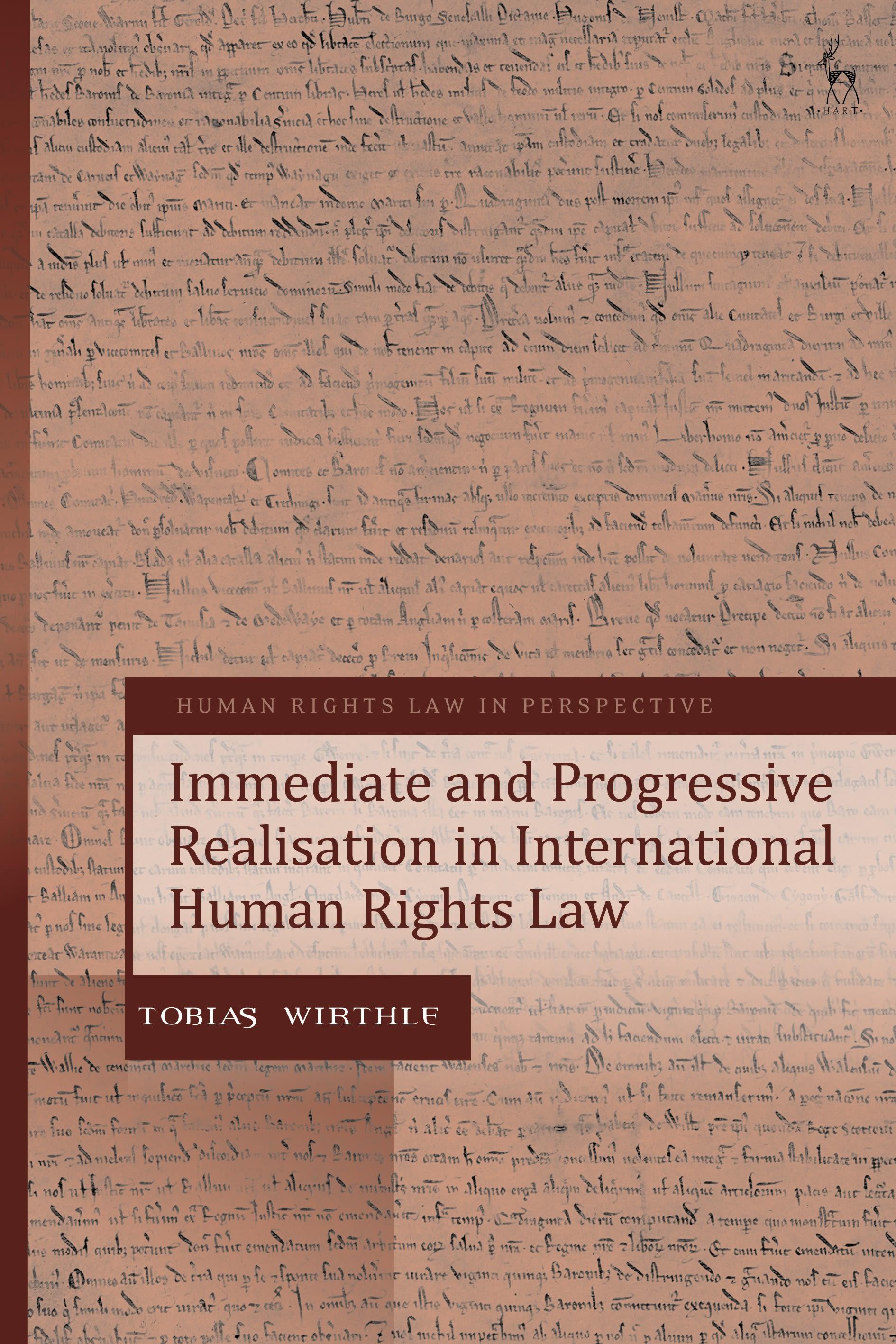
This book makes a new and original contribution to the old debate about differences between socio-economic and civil and political rights, which has engaged human rights discourse over several decades.
Although scholars and practitioners now agree that these categories are more alike than originally assumed, they continue to delineate them based on the alleged difference between immediate and progressive realisation. The book asks whether this differentiation is still valid by exploring the historical and theoretical background, the text of relevant UN human rights treaties, and the practice of the UN human rights committees. By so doing, it shows that the standards of realisation converge more than diverge and that this last remaining distinction should be abandoned.
Human rights lawyers, advocates, practitioners and policy makers will find this book invaluable as it brings much needed clarification to this key question.
Although scholars and practitioners now agree that these categories are more alike than originally assumed, they continue to delineate them based on the alleged difference between immediate and progressive realisation. The book asks whether this differentiation is still valid by exploring the historical and theoretical background, the text of relevant UN human rights treaties, and the practice of the UN human rights committees. By so doing, it shows that the standards of realisation converge more than diverge and that this last remaining distinction should be abandoned.
Human rights lawyers, advocates, practitioners and policy makers will find this book invaluable as it brings much needed clarification to this key question.
Płać wygodnie kartą, Klarną, Apple Pay lub Google Pay. Nie jesteś zadowolony? Zawsze masz 14-dniową gwarancję zwrotu pieniędzy. Więcej przeczytasz w naszych warunkach. Masz pytania? Napisz do nas na hello@memmo.org.
Memmo ułatwia naukę – gdziekolwiek jesteś na świecie. U nas znajdziesz podręczniki i sprytne narzędzia do nauki w jednym miejscu: streszczenia, quizy, podcasty i fiszki. A do tego Ted, Twój kumpel do nauki, który odpowie na wszystko, co Cię nurtuje. Ponad 50 000 studentów już tu się uczy – stworzone, byś uczył się szybciej i mniej stresował.