
Winner of the 2026 SLS Peter Birks Prize for Outstanding Legal Scholarship
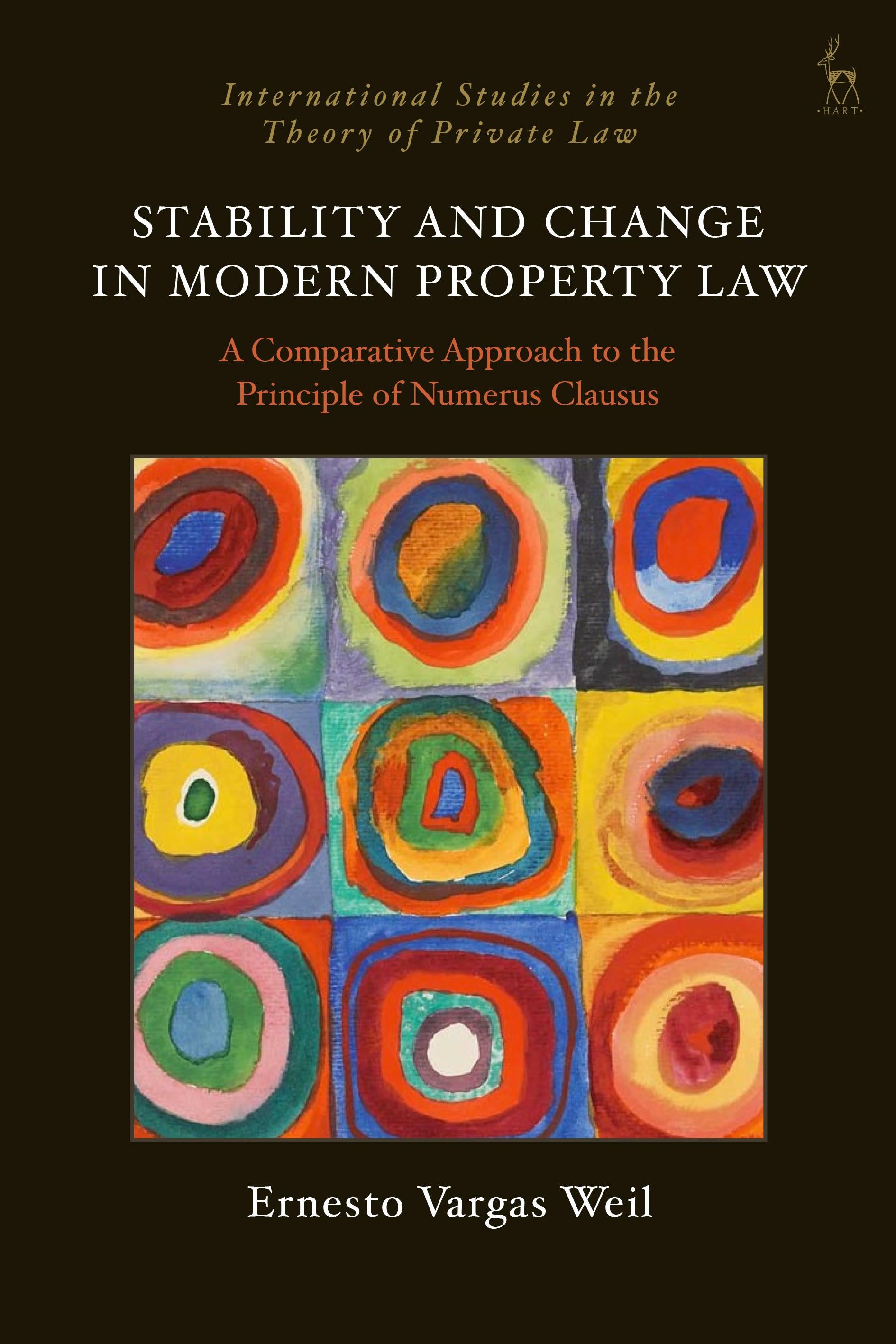
This book examines the English and German version of the numerus clausus principle which holds that there is a closed list of permitted property rights.
It challenges recent views that the principle renders property law inflexible and unable to accommodate social and economic changes. Relying on a novel approach combining property theory and comparative research of English and German law, it argues that the restrictions the principle imposes on the creation of new property types actually does accommodate social changes through a process of 'functional transformation' of the existing property rights.
This is a fascinating, unique study, that makes a rigorous, original contribution to property law theory.
This book examines the English and German version of the numerus clausus principle which holds that there is a closed list of permitted property rights.
It challenges recent views that the principle renders property law inflexible and unable to accommodate social and economic changes. Relying on a novel approach combining property theory and comparative research of English and German law, it argues that the restrictions the principle imposes on the creation of new property types actually does accommodate social changes through a process of 'functional transformation' of the existing property rights.
This is a fascinating, unique study, that makes a rigorous, original contribution to property law theory.
Płać wygodnie kartą, Klarną, Apple Pay lub Google Pay. Nie jesteś zadowolony? Zawsze masz 14-dniową gwarancję zwrotu pieniędzy. Więcej przeczytasz w naszych warunkach. Masz pytania? Napisz do nas na hello@memmo.org.
Memmo ułatwia naukę – gdziekolwiek jesteś na świecie. U nas znajdziesz podręczniki i sprytne narzędzia do nauki w jednym miejscu: streszczenia, quizy, podcasty i fiszki. A do tego Ted, Twój kumpel do nauki, który odpowie na wszystko, co Cię nurtuje. Ponad 50 000 studentów już tu się uczy – stworzone, byś uczył się szybciej i mniej stresował.