
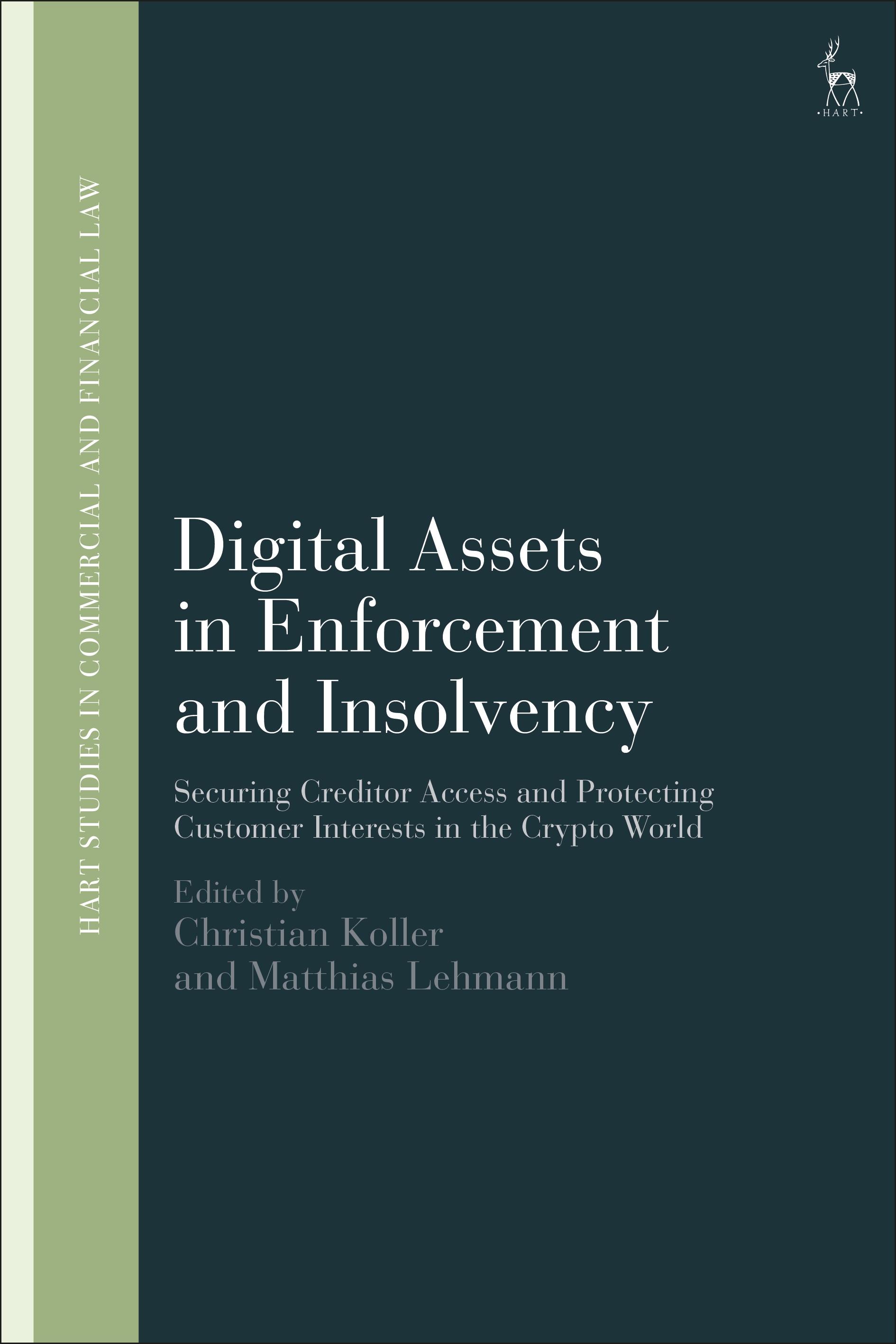
This book offers the first comprehensive analysis of the national and international legal issues surrounding digital assets in enforcement and insolvency.
Its primary aim is to ensure that the economic value of digital assets can be fully realised by creditors and other stakeholders through the legal processes and remedies available to them, and that holders of digital assets receive adequate protection. These legal issues are considered in diverse commercial and technical contexts, ranging from native cryptocurrencies to token, whether held directly or with custodians and other intermediaries.
The book offers analysis on different levels: Firstly, it scrutinises the existing legal frameworks for enforcement and insolvency in various countries and evaluates the extent to which they can accommodate digital forms of value; secondly, it compares the approaches taken in different jurisdictions and addresses the cross-border issues of jurisdiction and conflict of laws issues that may arise; and thirdly, it focuses on international texts, such as the UNIDROIT Principles on Digital Assets and Private Law, as well as the Global Code of Digital Enforcement, and suggested avenues for further harmonisation and unification of the law.
The book provides much-needed responses to the increasing significance of digital assets in modern insolvency and enforcement proceedings. It takes a unique global approach to a wide range of legal perspectives, drawing upon the contributors' experience as leading practitioners, representatives of international organisations, and academics, in common law and civil law jurisdictions around the world. The book identifies the most pressing areas for law reform, and proposes solutions that are both legally robust as well as fit for practical purpose.
Its primary aim is to ensure that the economic value of digital assets can be fully realised by creditors and other stakeholders through the legal processes and remedies available to them, and that holders of digital assets receive adequate protection. These legal issues are considered in diverse commercial and technical contexts, ranging from native cryptocurrencies to token, whether held directly or with custodians and other intermediaries.
The book offers analysis on different levels: Firstly, it scrutinises the existing legal frameworks for enforcement and insolvency in various countries and evaluates the extent to which they can accommodate digital forms of value; secondly, it compares the approaches taken in different jurisdictions and addresses the cross-border issues of jurisdiction and conflict of laws issues that may arise; and thirdly, it focuses on international texts, such as the UNIDROIT Principles on Digital Assets and Private Law, as well as the Global Code of Digital Enforcement, and suggested avenues for further harmonisation and unification of the law.
The book provides much-needed responses to the increasing significance of digital assets in modern insolvency and enforcement proceedings. It takes a unique global approach to a wide range of legal perspectives, drawing upon the contributors' experience as leading practitioners, representatives of international organisations, and academics, in common law and civil law jurisdictions around the world. The book identifies the most pressing areas for law reform, and proposes solutions that are both legally robust as well as fit for practical purpose.
Płać wygodnie kartą, Klarną, Apple Pay lub Google Pay. Nie jesteś zadowolony? Zawsze masz 14-dniową gwarancję zwrotu pieniędzy. Więcej przeczytasz w naszych warunkach. Masz pytania? Napisz do nas na hello@memmo.org.
Memmo ułatwia naukę – gdziekolwiek jesteś na świecie. U nas znajdziesz podręczniki i sprytne narzędzia do nauki w jednym miejscu: streszczenia, quizy, podcasty i fiszki. A do tego Ted, Twój kumpel do nauki, który odpowie na wszystko, co Cię nurtuje. Ponad 50 000 studentów już tu się uczy – stworzone, byś uczył się szybciej i mniej stresował.