
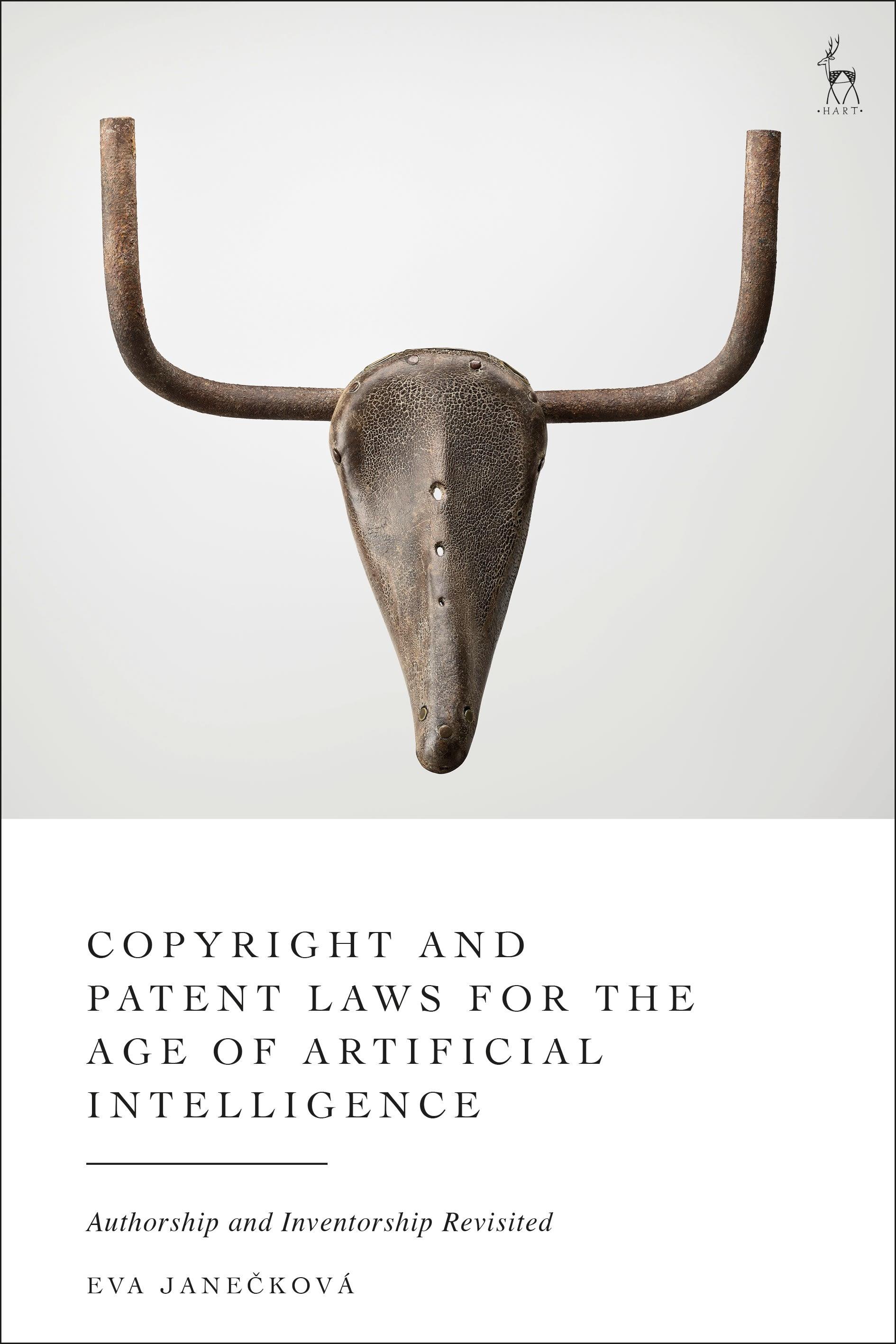
Runner-up of the 2026 SLS Peter Birks Prize for Outstanding Legal Scholarship
This book responds to the need to distinguish human creations from those produced by AI.
It does so by tracing human attributes of authorship and inventorship in statutory requirements for protection and ownership in European copyright and patent laws.
Its main contribution lies in exposing shortcomings in how the laws are applied in the UK, Germany, and France. It shows that the human origin of creations is traditionally inferred from their expressive form or technical character. Given the advancements in AI, such inferences are no longer legitimate. What is more, these shortcomings may eventually lead to granting copyright or patent protection where none is lawfully permitted or sufficiently justified. To remedy the situation, this book offers doctrinal and conceptual amendments and proposes law reforms to implement them.
This book guides authorities, practitioners, and students through the main arguments of the debate concerning copyright and patents for objects entirely or partly generated by AI. It also makes original contributions to advance the ongoing academic and policy debates on AI and intellectual property law.
This book responds to the need to distinguish human creations from those produced by AI.
It does so by tracing human attributes of authorship and inventorship in statutory requirements for protection and ownership in European copyright and patent laws.
Its main contribution lies in exposing shortcomings in how the laws are applied in the UK, Germany, and France. It shows that the human origin of creations is traditionally inferred from their expressive form or technical character. Given the advancements in AI, such inferences are no longer legitimate. What is more, these shortcomings may eventually lead to granting copyright or patent protection where none is lawfully permitted or sufficiently justified. To remedy the situation, this book offers doctrinal and conceptual amendments and proposes law reforms to implement them.
This book guides authorities, practitioners, and students through the main arguments of the debate concerning copyright and patents for objects entirely or partly generated by AI. It also makes original contributions to advance the ongoing academic and policy debates on AI and intellectual property law.
Płać wygodnie kartą, Klarną, Apple Pay lub Google Pay. Nie jesteś zadowolony? Zawsze masz 14-dniową gwarancję zwrotu pieniędzy. Więcej przeczytasz w naszych warunkach. Masz pytania? Napisz do nas na hello@memmo.org.
Memmo ułatwia naukę – gdziekolwiek jesteś na świecie. U nas znajdziesz podręczniki i sprytne narzędzia do nauki w jednym miejscu: streszczenia, quizy, podcasty i fiszki. A do tego Ted, Twój kumpel do nauki, który odpowie na wszystko, co Cię nurtuje. Ponad 50 000 studentów już tu się uczy – stworzone, byś uczył się szybciej i mniej stresował.