
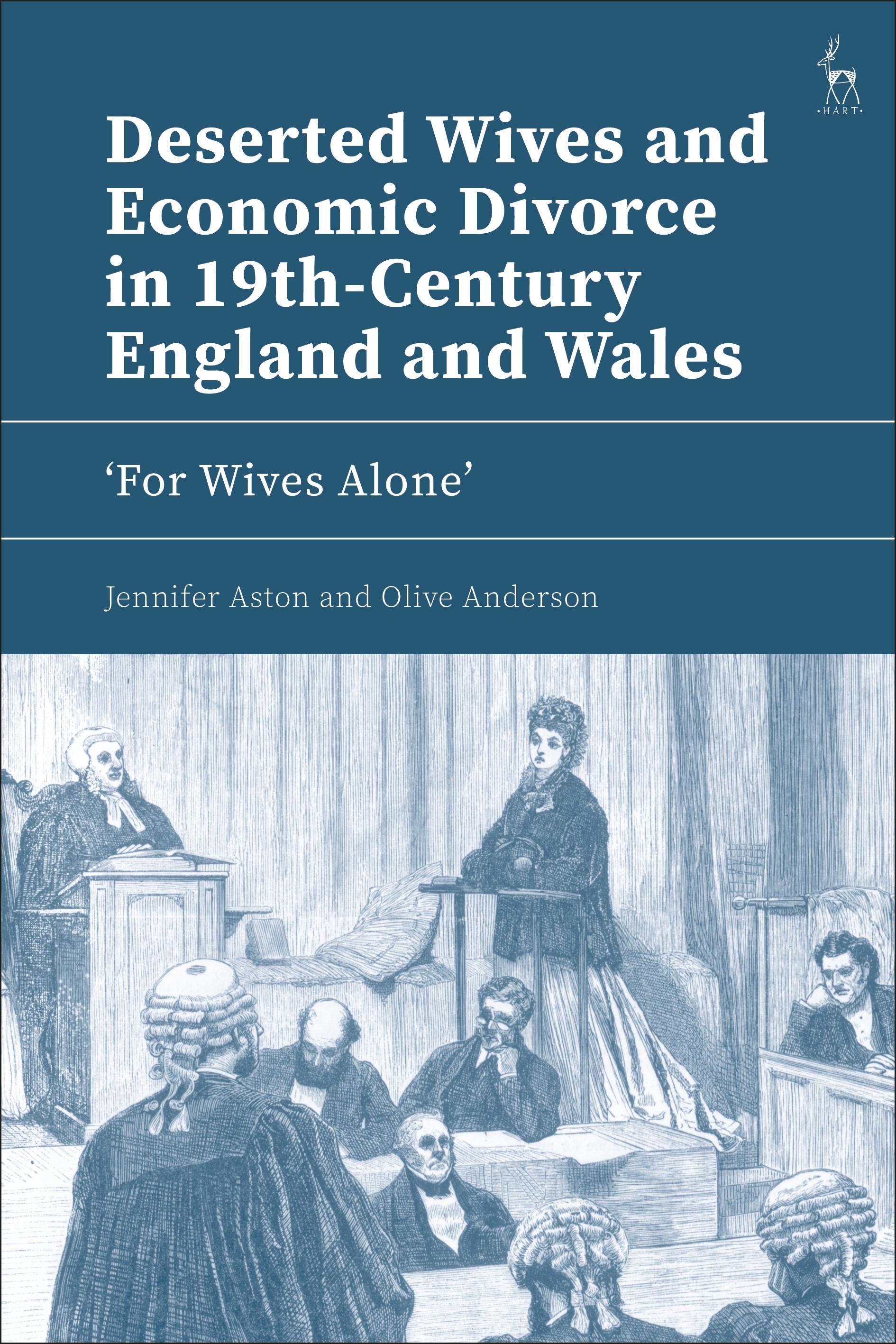
This book considers Section 21 of the Divorce and Matrimonial Causes Act 1857 and its significant impact on previously invisible married women in the 19th century.
Tens of thousands of women used this little-known section of the Act to apply for orders from local magistrates' courts to reclaim their rights of testation, inheritance, property ownership, and (dependent on local franchise qualifications) ability to vote. By examining the orders that were made and considering the women who applied for them, the book challenges the mistaken belief that Victorian England and Wales were nations of married, cohabiting couples.
The detailed statistical analysis and rich case studies presented here provide a totally new perspective on the legal status and experiences of married women in England and Wales. Although many thousands of orders were granted between 1858 and 1900, their details remain unknown and unexamined, primarily because census records did not consistently record dissolved marriages and there is no central index of applications made.
Using sources including court records, parliamentary papers, newspaper reports, census returns, probate records and trade directories, this book reconstructs the successful – and unsuccessful – experiences of women applying to magistrates' courts and the Court for Divorce and Matrimonial Causes to protect their assets across regions and decades.
Tens of thousands of women used this little-known section of the Act to apply for orders from local magistrates' courts to reclaim their rights of testation, inheritance, property ownership, and (dependent on local franchise qualifications) ability to vote. By examining the orders that were made and considering the women who applied for them, the book challenges the mistaken belief that Victorian England and Wales were nations of married, cohabiting couples.
The detailed statistical analysis and rich case studies presented here provide a totally new perspective on the legal status and experiences of married women in England and Wales. Although many thousands of orders were granted between 1858 and 1900, their details remain unknown and unexamined, primarily because census records did not consistently record dissolved marriages and there is no central index of applications made.
Using sources including court records, parliamentary papers, newspaper reports, census returns, probate records and trade directories, this book reconstructs the successful – and unsuccessful – experiences of women applying to magistrates' courts and the Court for Divorce and Matrimonial Causes to protect their assets across regions and decades.
Płać wygodnie kartą, Klarną, Apple Pay lub Google Pay. Nie jesteś zadowolony? Zawsze masz 14-dniową gwarancję zwrotu pieniędzy. Więcej przeczytasz w naszych warunkach. Masz pytania? Napisz do nas na hello@memmo.org.
Memmo ułatwia naukę – gdziekolwiek jesteś na świecie. U nas znajdziesz podręczniki i sprytne narzędzia do nauki w jednym miejscu: streszczenia, quizy, podcasty i fiszki. A do tego Ted, Twój kumpel do nauki, który odpowie na wszystko, co Cię nurtuje. Ponad 50 000 studentów już tu się uczy – stworzone, byś uczył się szybciej i mniej stresował.