
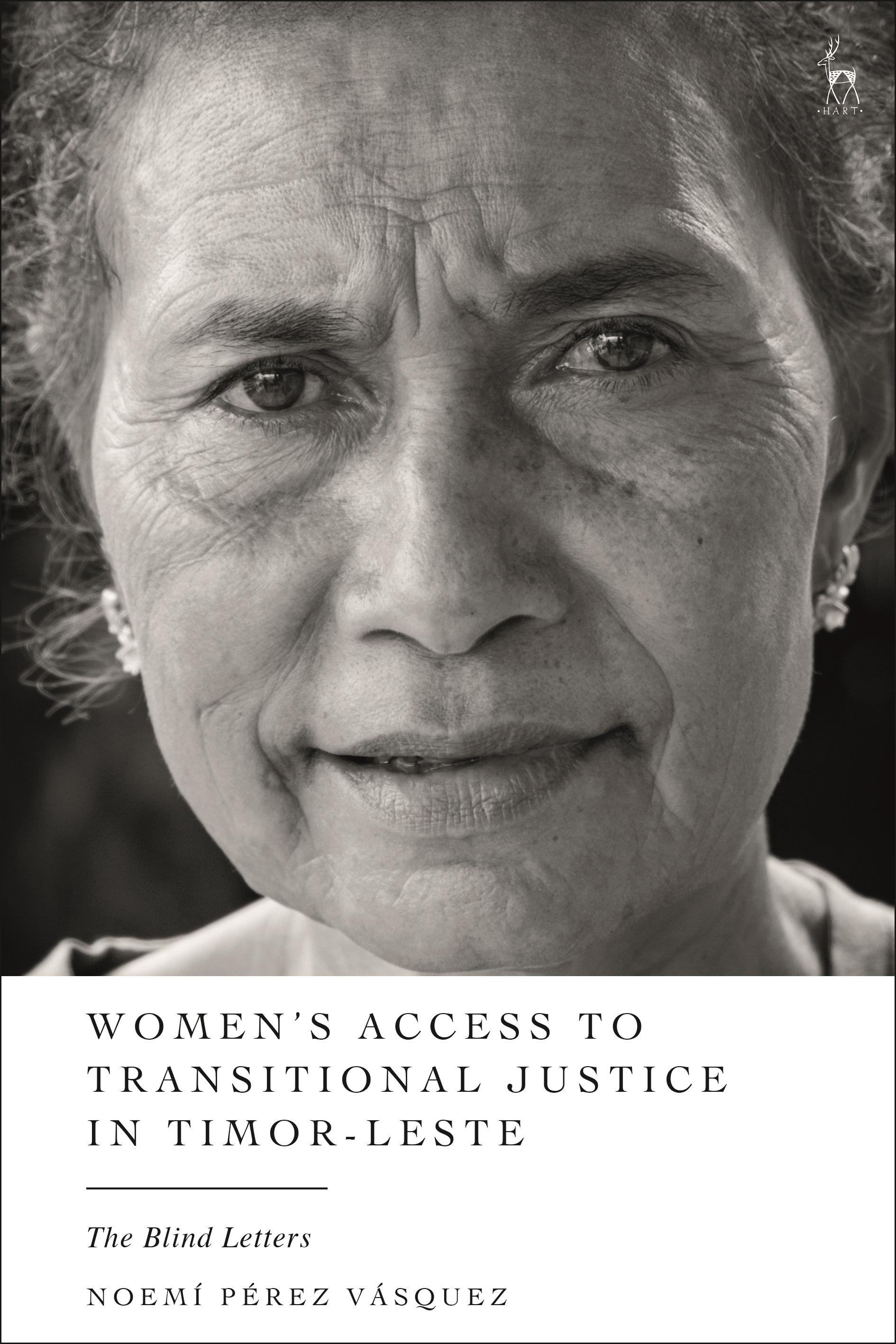
Seeing the role of transitional justice as an area of contestation, this book focuses on the principle of equality guaranteed in the access to transitional justice mechanisms. By raising women's experiences in dealing with the law and policies as well as the implications of community and family practices during post-conflict situations, the book shows how these mechanisms may have been implemented mechanically, without considering the different intersections of discrimination, the public and private divides that exist in the local context or the stereotypes and values of international and national actors.
The book argues that without unpacking the barriers in the administration of transitional justice, the different mechanisms that are implemented in a post-conflict situation may set a higher threshold for the participation of women. Moreover, by taking into account women's perceptions of justice, it further argues that scholars have paid insufficient attention to the welfare structures that are produced after a conflict, particularly the pensions of veterans. Going beyond the focus on sexual violence, a relationship between the violations and post-conflict economic justice may have longer-term consequences for women since it perpetuates their inequality and lack of recognition in times of peace. The use of transitional justice may thus exacerbate the invisibility of and discrimination against certain sections of the population.
Inspired by the work of Hannah Arendt and based on extensive field research in Timor-Leste, the book has larger implications for the overarching debate on the social consequences of transitional justice.
The book argues that without unpacking the barriers in the administration of transitional justice, the different mechanisms that are implemented in a post-conflict situation may set a higher threshold for the participation of women. Moreover, by taking into account women's perceptions of justice, it further argues that scholars have paid insufficient attention to the welfare structures that are produced after a conflict, particularly the pensions of veterans. Going beyond the focus on sexual violence, a relationship between the violations and post-conflict economic justice may have longer-term consequences for women since it perpetuates their inequality and lack of recognition in times of peace. The use of transitional justice may thus exacerbate the invisibility of and discrimination against certain sections of the population.
Inspired by the work of Hannah Arendt and based on extensive field research in Timor-Leste, the book has larger implications for the overarching debate on the social consequences of transitional justice.
Strony: 320
Kategoria: Kultur-, Genus- & Postkoloniala studier
e-ISBN: 9781509957644
Waga przesyłki: 1.2 kg
Wysyłka w ciągu: 1-2 dni
Płać wygodnie kartą, Klarną, Apple Pay lub Google Pay. Nie jesteś zadowolony? Zawsze masz 14-dniową gwarancję zwrotu pieniędzy. Więcej przeczytasz w naszych warunkach. Masz pytania? Napisz do nas na hello@memmo.org.
Memmo ułatwia naukę – gdziekolwiek jesteś na świecie. U nas znajdziesz podręczniki i sprytne narzędzia do nauki w jednym miejscu: streszczenia, quizy, podcasty i fiszki. A do tego Ted, Twój kumpel do nauki, który odpowie na wszystko, co Cię nurtuje. Ponad 50 000 studentów już tu się uczy – stworzone, byś uczył się szybciej i mniej stresował.