
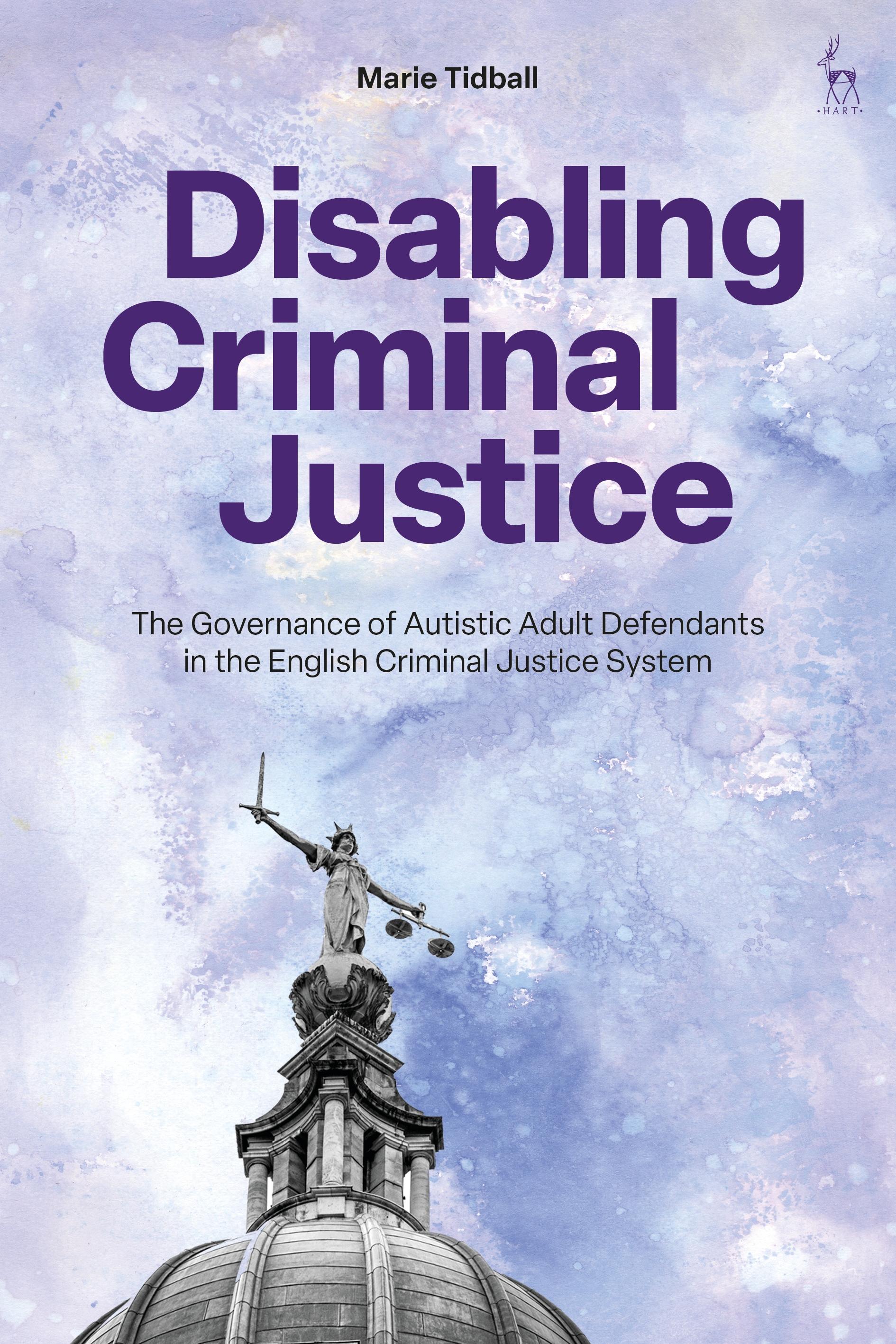
This book considers the governance of autistic defendants and offenders in the UK courts.
Utilising the social model of disability, it considers the dominant strategies of governance, including 'vulnerability', which the author argues obscures the rights of disabled people in the criminal justice system. In doing so it sheds light on how this group should be governed.
Drawing on rigorously-researched case studies of autistic adult defendants through the court process, the book brings together relevant legal and policy literature, criminological and criminal justice theory and disability studies to provide insight into the 'dividing practices' that affect the governance of disabled defendants' conduct.
Using interviews with elites and practitioners, textual analysis, and court observation of eight autistic adult defendants through their court process, the book investigates why the status of autistic defendants as disabled under the Equality Act 2010 has been overlooked in criminal justice policy and criminal court decision-making.
It explores the impact of the 'collateral' effects and 'symbiotic harm' of the criminal justice process on family members who support these defendants through the criminal justice process.
Utilising the social model of disability, it considers the dominant strategies of governance, including 'vulnerability', which the author argues obscures the rights of disabled people in the criminal justice system. In doing so it sheds light on how this group should be governed.
Drawing on rigorously-researched case studies of autistic adult defendants through the court process, the book brings together relevant legal and policy literature, criminological and criminal justice theory and disability studies to provide insight into the 'dividing practices' that affect the governance of disabled defendants' conduct.
Using interviews with elites and practitioners, textual analysis, and court observation of eight autistic adult defendants through their court process, the book investigates why the status of autistic defendants as disabled under the Equality Act 2010 has been overlooked in criminal justice policy and criminal court decision-making.
It explores the impact of the 'collateral' effects and 'symbiotic harm' of the criminal justice process on family members who support these defendants through the criminal justice process.
Strony: 296
Kategoria: Kriminologi
e-ISBN: 9781509956951
Waga przesyłki: 1.2 kg
Wysyłka w ciągu: 1-2 dni
Płać wygodnie kartą, Klarną, Apple Pay lub Google Pay. Nie jesteś zadowolony? Zawsze masz 14-dniową gwarancję zwrotu pieniędzy. Więcej przeczytasz w naszych warunkach. Masz pytania? Napisz do nas na hello@memmo.org.
Memmo ułatwia naukę – gdziekolwiek jesteś na świecie. U nas znajdziesz podręczniki i sprytne narzędzia do nauki w jednym miejscu: streszczenia, quizy, podcasty i fiszki. A do tego Ted, Twój kumpel do nauki, który odpowie na wszystko, co Cię nurtuje. Ponad 50 000 studentów już tu się uczy – stworzone, byś uczył się szybciej i mniej stresował.