
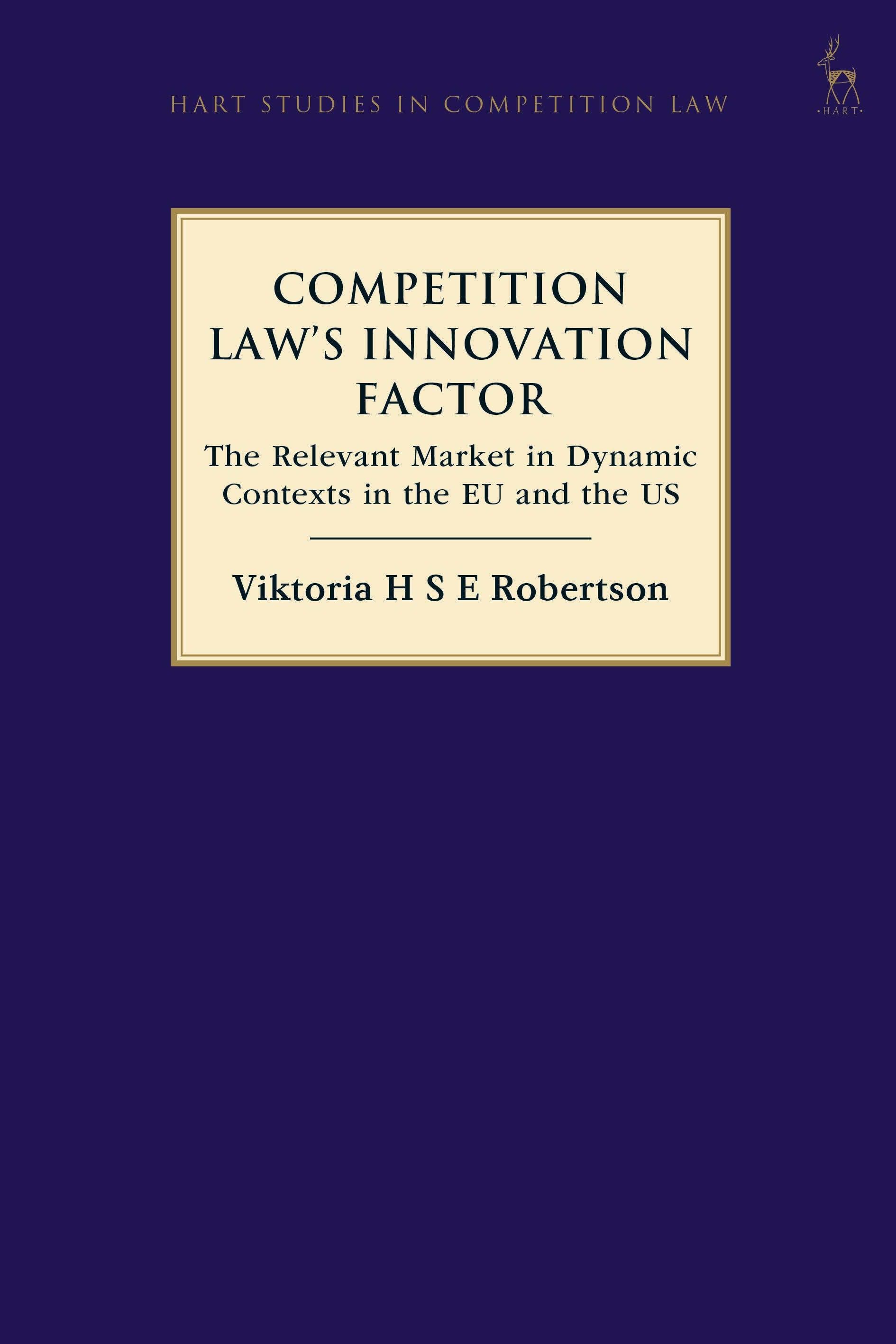
In recent years, market definition has come under attack as an analytical tool of competition law. Scholars have increasingly questioned its usefulness and feasibility. That criticism comes into sharper relief in dynamic, innovation-driven markets, which do not correspond to the static markets on which the concept of the relevant market was modelled. This book explores that controversy from a comparative legal perspective, taking into account both EU competition and US antitrust law. It examines the manifold ways in which courts and competition authorities in the EU and US have factored innovation-related considerations into market delineation, covering: innovative product markets, product differentiation, future markets, issues going beyond market definition proper – such as innovation competition, innovation markets and potential competition –, intellectual property rights, innovative aftermarkets and multi-sided platforms. This book finds that going forward, the role of market definition in dynamic contexts needs to focus on its function of market characterisation rather than on the assessment of market power.
Płać wygodnie kartą, Klarną, Apple Pay lub Google Pay. Nie jesteś zadowolony? Zawsze masz 14-dniową gwarancję zwrotu pieniędzy. Więcej przeczytasz w naszych warunkach. Masz pytania? Napisz do nas na hello@memmo.org.
Memmo ułatwia naukę – gdziekolwiek jesteś na świecie. U nas znajdziesz podręczniki i sprytne narzędzia do nauki w jednym miejscu: streszczenia, quizy, podcasty i fiszki. A do tego Ted, Twój kumpel do nauki, który odpowie na wszystko, co Cię nurtuje. Ponad 50 000 studentów już tu się uczy – stworzone, byś uczył się szybciej i mniej stresował.