
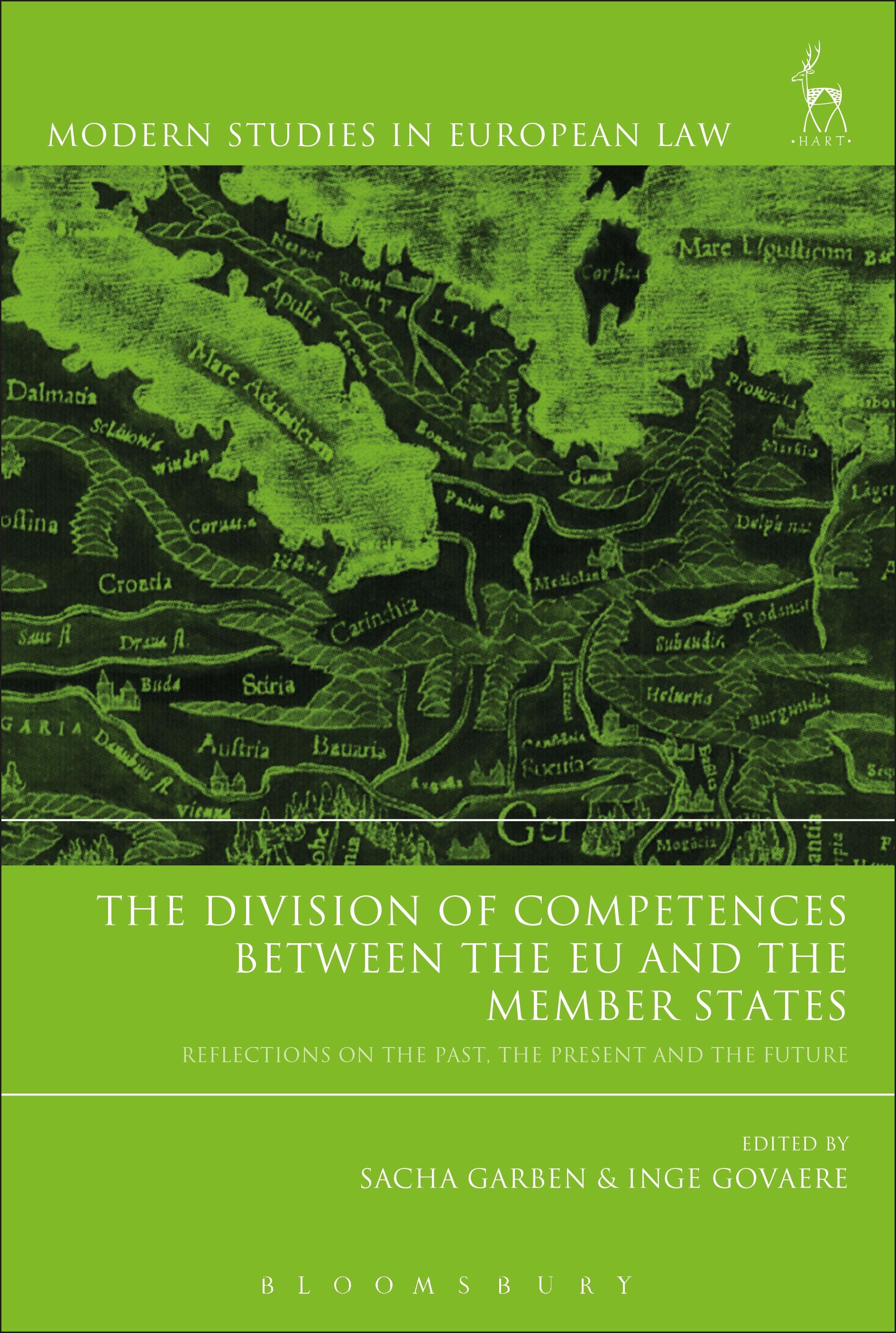
The issue of competence division is of fundamental importance as it reflects the 'power bargain' struck between the Member States and their Union, determining the limits of the authority of the EU as well as the limits of the authority of the Member States. It defines the nature of the EU as a polity, as well as the identity of the Member States. After over six years since the entry into force of the Lisbon Treaty, it is high time to take stock of whether the reforms that were adopted to make the Union's system of division of competences between the EU Member States clearer, more coherent, and better at containing European integration, have been successful. This book asks whether 'the competence problem' has finally been solved.
Given the fundamental importance of this question, this publication will be of interest to a wide audience, from constitutional and substantive EU law scholars to practitioners in the EU institutions and EU legal practice more generally.
Given the fundamental importance of this question, this publication will be of interest to a wide audience, from constitutional and substantive EU law scholars to practitioners in the EU institutions and EU legal practice more generally.
Płać wygodnie kartą, Klarną, Apple Pay lub Google Pay. Nie jesteś zadowolony? Zawsze masz 14-dniową gwarancję zwrotu pieniędzy. Więcej przeczytasz w naszych warunkach. Masz pytania? Napisz do nas na hello@memmo.org.
Memmo ułatwia naukę – gdziekolwiek jesteś na świecie. U nas znajdziesz podręczniki i sprytne narzędzia do nauki w jednym miejscu: streszczenia, quizy, podcasty i fiszki. A do tego Ted, Twój kumpel do nauki, który odpowie na wszystko, co Cię nurtuje. Ponad 50 000 studentów już tu się uczy – stworzone, byś uczył się szybciej i mniej stresował.