
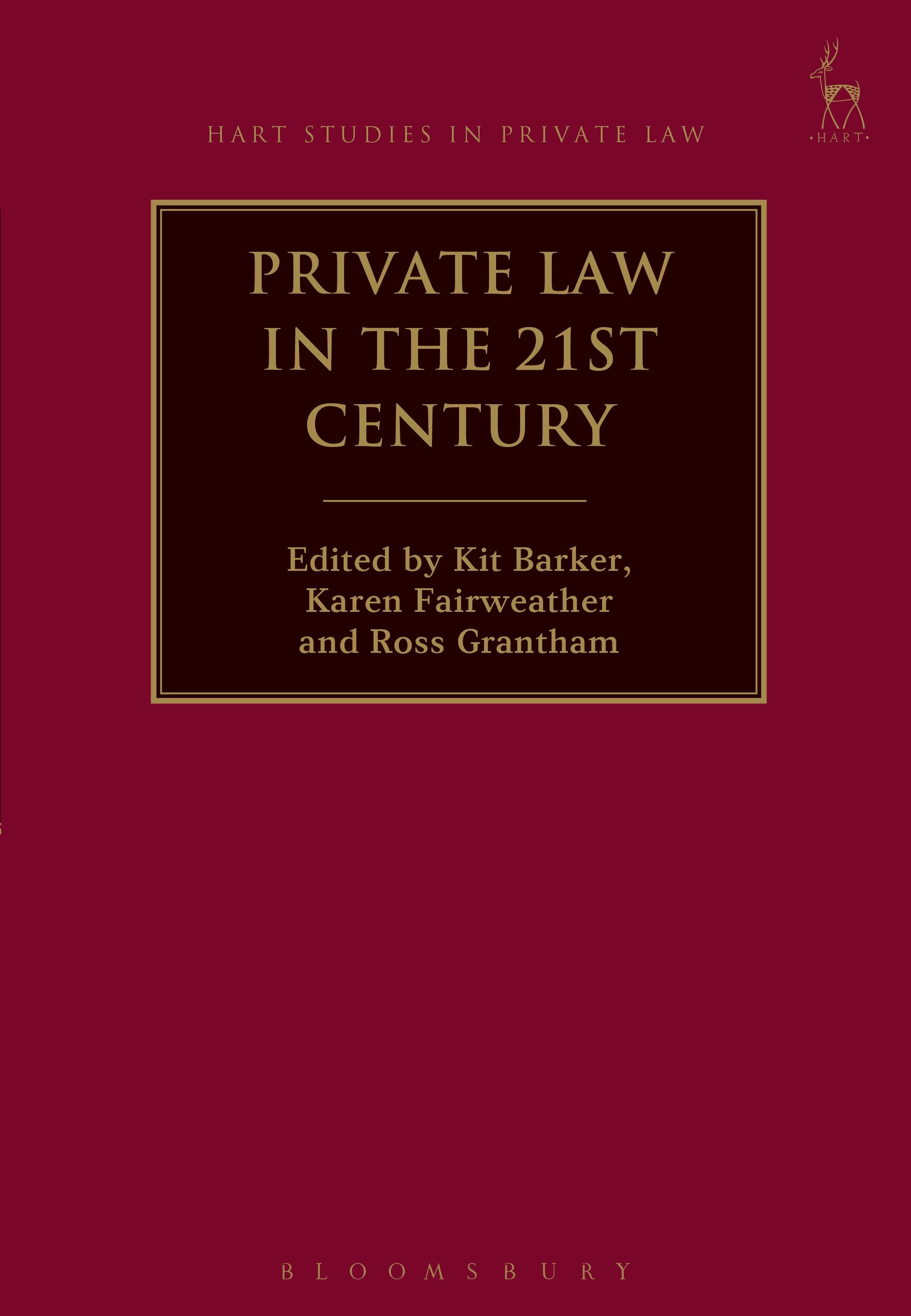
This book brings together a wide range of contributors from across the common law world to identify and debate the principal moral and systemic challenges facing private law in the remaining part of the twenty-first century. The various contributions identify serious problems relating to complexity and overload, threats to research and education, the law's unintelligibility, the unsatisfactory nature of the law reform process and a general lack of public engagement. They consider the respective future roles of statutes, codes, and judge-made law (in the form of both common law and equitable rules). They consider how best to organise the private law system internally, and how to co-ordinate it externally with other public and economic systems (human rights, regulation, insurance markets and social security frameworks). They address the challenges for private law presented by new forms of technology, and by modern demands for the protection of new and intangible forms of moral interest, such as interests in privacy, 'vindication' and 'personal choice'. They also engage with the critical contemporary debates about access to, and the privatisation of, civil justice. The work is designed as a source of inspiration and reference for private lawyers, as well as legislators, policy-makers and students.
Płać wygodnie kartą, Klarną, Apple Pay lub Google Pay. Nie jesteś zadowolony? Zawsze masz 14-dniową gwarancję zwrotu pieniędzy. Więcej przeczytasz w naszych warunkach. Masz pytania? Napisz do nas na hello@memmo.org.
Memmo ułatwia naukę – gdziekolwiek jesteś na świecie. U nas znajdziesz podręczniki i sprytne narzędzia do nauki w jednym miejscu: streszczenia, quizy, podcasty i fiszki. A do tego Ted, Twój kumpel do nauki, który odpowie na wszystko, co Cię nurtuje. Ponad 50 000 studentów już tu się uczy – stworzone, byś uczył się szybciej i mniej stresował.