
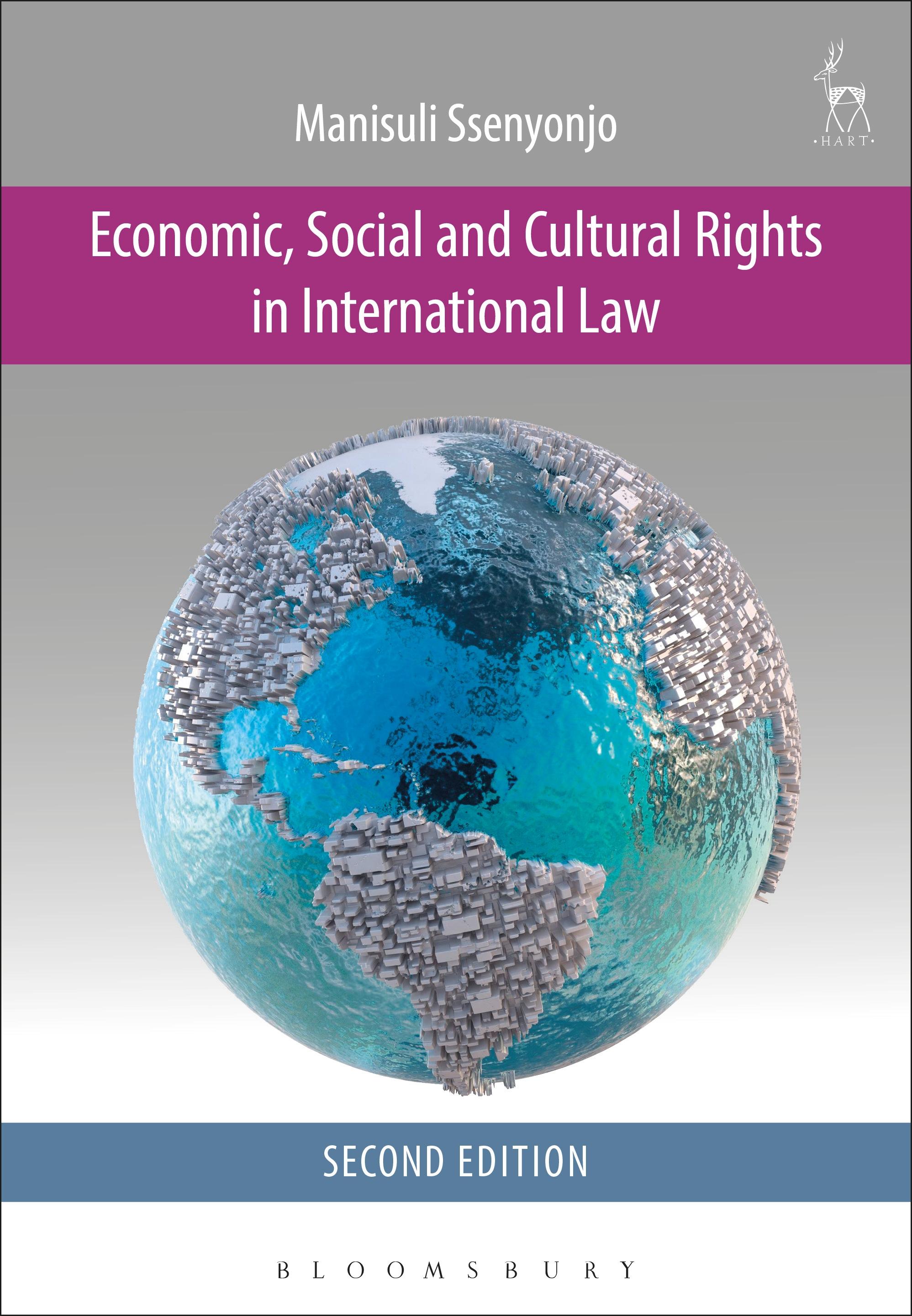
Since the first edition (published in 2009), there have been several important treaty developments, including the entry into force of the Optional Protocol to the International Covenant on Economic, Social and Cultural Rights (ICESCR) on individual communications, and significant developments in the case law on economic, social and cultural (ESC) rights.
The second edition addresses these developments and explores ESC rights from foundational issues to substantive rights and systems of protection. It has been fully updated to include new material and up-to-date coverage of the case law of human rights bodies and national courts on ESC rights. In addition to the rights to health, education and work covered in the first edition, the second edition analyses new developments, such as the rights to adequate food, water and sanitation, adequate housing, social security and cultural rights.
It also considers several contemporary issues including the extraterritorial human rights obligations of states in the area of economic, social and cultural rights; non-state actors; relationship of the ICESCR to other areas of international law; the Optional Protocol to the ICESCR; regional protection of ESC rights; more examples of the domestic protection of ESC rights; the protection of ESC rights of vulnerable groups; contemporary challenges to ESC rights, including poverty, corruption, armed conflicts and terrorism. It concludes by exploring the possible establishment of a World Court of Human Rights.
The second edition addresses these developments and explores ESC rights from foundational issues to substantive rights and systems of protection. It has been fully updated to include new material and up-to-date coverage of the case law of human rights bodies and national courts on ESC rights. In addition to the rights to health, education and work covered in the first edition, the second edition analyses new developments, such as the rights to adequate food, water and sanitation, adequate housing, social security and cultural rights.
It also considers several contemporary issues including the extraterritorial human rights obligations of states in the area of economic, social and cultural rights; non-state actors; relationship of the ICESCR to other areas of international law; the Optional Protocol to the ICESCR; regional protection of ESC rights; more examples of the domestic protection of ESC rights; the protection of ESC rights of vulnerable groups; contemporary challenges to ESC rights, including poverty, corruption, armed conflicts and terrorism. It concludes by exploring the possible establishment of a World Court of Human Rights.
Płać wygodnie kartą, Klarną, Apple Pay lub Google Pay. Nie jesteś zadowolony? Zawsze masz 14-dniową gwarancję zwrotu pieniędzy. Więcej przeczytasz w naszych warunkach. Masz pytania? Napisz do nas na hello@memmo.org.
Memmo ułatwia naukę – gdziekolwiek jesteś na świecie. U nas znajdziesz podręczniki i sprytne narzędzia do nauki w jednym miejscu: streszczenia, quizy, podcasty i fiszki. A do tego Ted, Twój kumpel do nauki, który odpowie na wszystko, co Cię nurtuje. Ponad 50 000 studentów już tu się uczy – stworzone, byś uczył się szybciej i mniej stresował.