
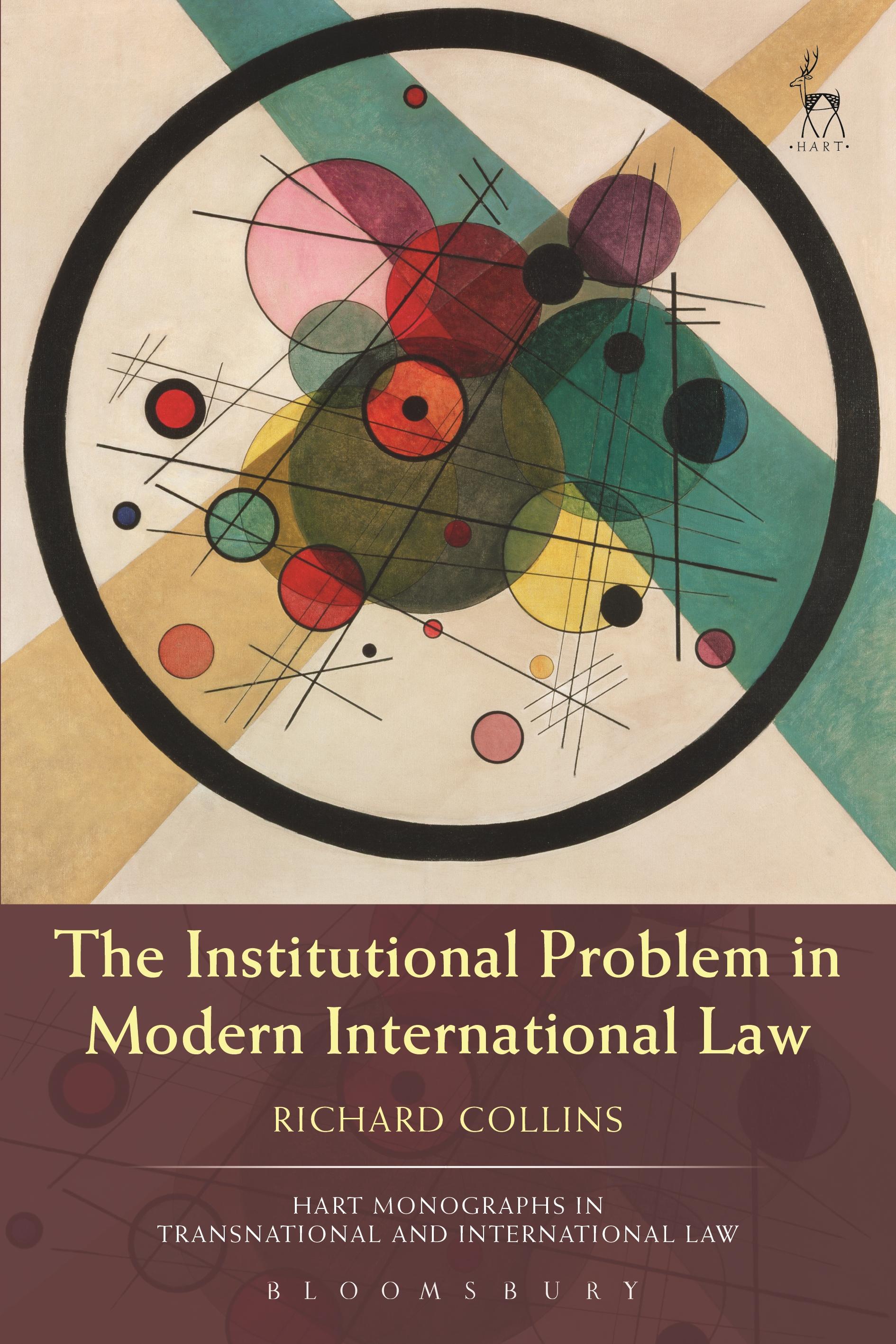
Modern international law is widely understood as an autonomous system of binding legal rules. Nevertheless, this claim to autonomy is far from uncontroversial. International lawyers have faced recurrent scepticism as to both the reality and efficacy of the object of their study and practice. For the most part, this scepticism has focussed on international law's peculiar institutional structure, with the absence of centralised organs of legislation, adjudication and enforcement, leaving international legal rules seemingly indeterminate in the conduct of international politics. Perception of this 'institutional problem' has therefore given rise to a certain disciplinary angst or self-defensiveness, fuelling a need to seek out functional analogues or substitutes for the kind of institutional roles deemed intrinsic to a functioning legal system. The author of this book believes that this strategy of accommodation is, however, deeply problematic. It fails to fully grasp the importance of international law's decentralised institutional form in securing some measure of accountability in international relations. It thus misleads through functional analogy and, in doing so, potentially exacerbates legitimacy deficits. There are enough conceptual weaknesses and blindspots in the legal-theoretical models against which international law is so frequently challenged to show that the perceived problem arises more in theory, than in practice.
Płać wygodnie kartą, Klarną, Apple Pay lub Google Pay. Nie jesteś zadowolony? Zawsze masz 14-dniową gwarancję zwrotu pieniędzy. Więcej przeczytasz w naszych warunkach. Masz pytania? Napisz do nas na hello@memmo.org.
Memmo ułatwia naukę – gdziekolwiek jesteś na świecie. U nas znajdziesz podręczniki i sprytne narzędzia do nauki w jednym miejscu: streszczenia, quizy, podcasty i fiszki. A do tego Ted, Twój kumpel do nauki, który odpowie na wszystko, co Cię nurtuje. Ponad 50 000 studentów już tu się uczy – stworzone, byś uczył się szybciej i mniej stresował.