
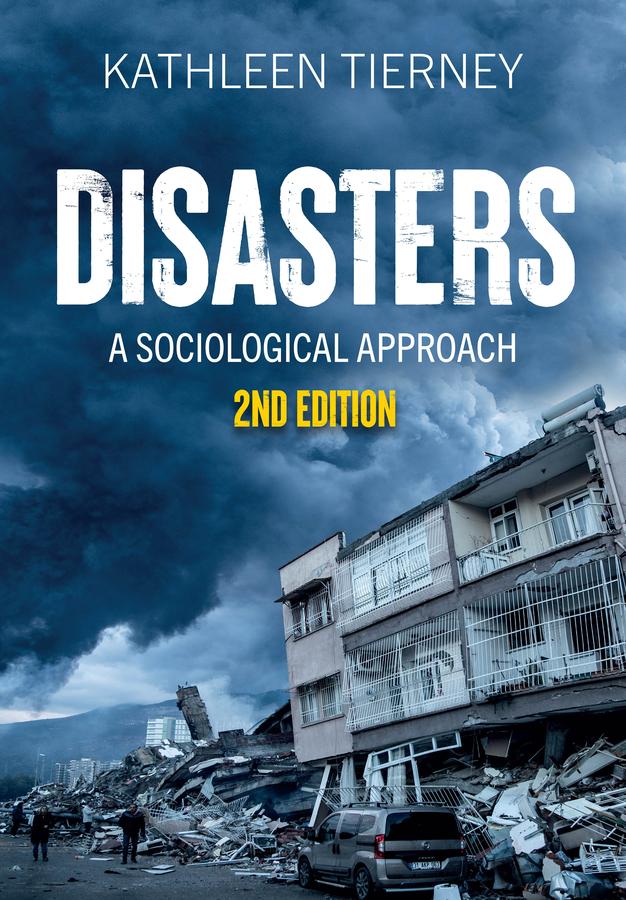
Disasters kill, maim, and generate increasingly large economic losses. But they do not wreak their damage equally across nations and populations. Every disaster has social forces at its very core. This important book sheds light on the social conditions and the global, national, and local processes that produce environmental degradation and disaster.
Topics covered include the social roots of disaster vulnerability, exposure to natural hazards as a form of environmental injustice, and emerging threats. Written by a leading expert in the field, the book provides the necessary frameworks for understanding hazards and disasters, as it explores the contributions of various social science disciplines to disaster research and how these ideas have evolved over time. Bringing the social aspects of disasters to the forefront, Tierney discusses the challenge of conducting research in the aftermath of a disaster and critiques the concept of disaster resilience, which has come to be seen as a key to disaster risk reduction. This second edition places greater emphasis on climate-related disasters and offers new reflections on the impacts of Covid-19, additional material on the legacies of colonialism, and refreshed case studies.
Peppered with research findings and insights from a wide range of disciplines, this rich introduction is an invaluable resource for students and scholars interested in both the social nature of disasters and their relation to broader social forces.
Płać wygodnie kartą, Klarną, Apple Pay lub Google Pay. Nie jesteś zadowolony? Zawsze masz 14-dniową gwarancję zwrotu pieniędzy. Więcej przeczytasz w naszych warunkach. Masz pytania? Napisz do nas na hello@memmo.org.
Memmo ułatwia naukę – gdziekolwiek jesteś na świecie. U nas znajdziesz podręczniki i sprytne narzędzia do nauki w jednym miejscu: streszczenia, quizy, podcasty i fiszki. A do tego Ted, Twój kumpel do nauki, który odpowie na wszystko, co Cię nurtuje. Ponad 50 000 studentów już tu się uczy – stworzone, byś uczył się szybciej i mniej stresował.