
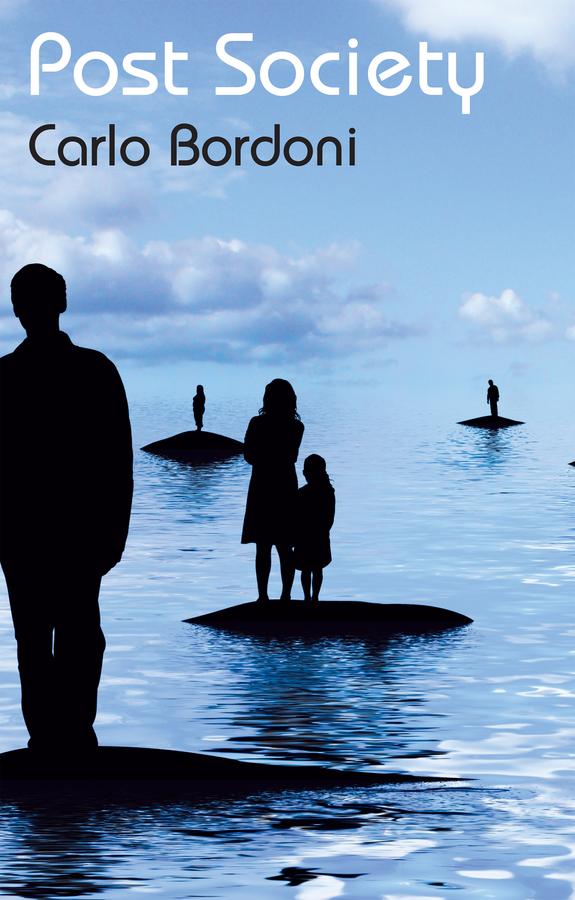
Our societies are in transition, spurred on by a pandemic that disrupted many aspects of the social world we once took for granted. We’ve left behind the ‘solid modernity’ of the twentieth century and even the ‘liquid modernity’ so brilliantly analysed by Zygmunt Bauman, but what kind of society is now taking shape around us?
In this highly original reflection on the current state of our world, Carlo Bordoni argues that we are on the threshold of ‘post-society’, a condition in which social distancing becomes the norm, real social relations are diminishing in favour of those mediated by technology, existential loneliness is becoming widespread, and we find ourselves voluntarily submitting to new forms of surveillance and control in the hope of increasing our security. Emotions are increasingly assuming a central role in social life, not only because of the growing prevalence of social media, which provide platforms for the public expression of emotion, but also because emotions have been freed from the ‘repression of emotionality’ that had characterized modern society.
While many of these developments are rooted in broader social transformations, they were all deepened and accelerated by the pandemic, which propelled us headlong into a brave new world where social relations are sustained without physical contact but with intense communication. This is the new post-social condition: more humanity, less sociality.
Płać wygodnie kartą, Klarną, Apple Pay lub Google Pay. Nie jesteś zadowolony? Zawsze masz 14-dniową gwarancję zwrotu pieniędzy. Więcej przeczytasz w naszych warunkach. Masz pytania? Napisz do nas na hello@memmo.org.
Memmo ułatwia naukę – gdziekolwiek jesteś na świecie. U nas znajdziesz podręczniki i sprytne narzędzia do nauki w jednym miejscu: streszczenia, quizy, podcasty i fiszki. A do tego Ted, Twój kumpel do nauki, który odpowie na wszystko, co Cię nurtuje. Ponad 50 000 studentów już tu się uczy – stworzone, byś uczył się szybciej i mniej stresował.