
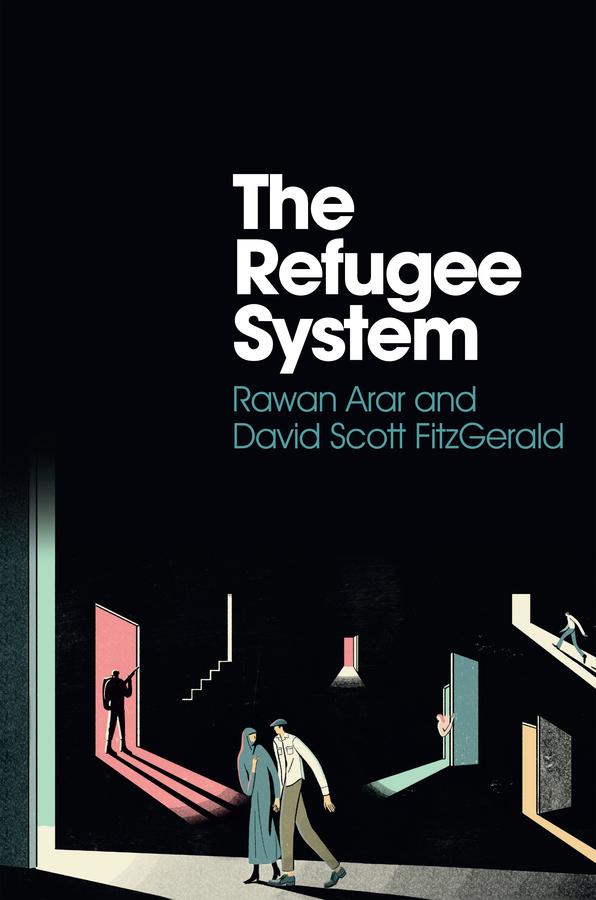
Some people facing violence and persecution flee. Others stay. How do households in danger decide who should go, where to relocate, and whether to keep moving? What are the conditions in countries of origin, transit, and reception that shape people's options?
This incisive book tells the story of how one Syrian family, spread across several countries, tried to survive the civil war and live in dignity. This story forms a backdrop to explore and explain the refugee system. Departing from studies that create siloes of knowledge about just one setting or ""solution"" to displacement, the book's sociological approach describes a global system that shapes refugee movements. Changes in one part of the system reverberate elsewhere. Feedback mechanisms change processes across time and place. Earlier migrations shape later movements. Immobility on one path redirects migration along others. Past policies, laws, population movements, and regional responses all contribute to shape states’ responses in the present. As Arar and FitzGerald illustrate, all these processes are forged by deep inequalities of economic, political, military, and ideological power.
Presenting a sharp analysis of refugee structures worldwide, this book offers invaluable insights for students and scholars of international migration and refugee studies across the social sciences, as well as policy makers and those involved in refugee and asylum work.
Płać wygodnie kartą, Klarną, Apple Pay lub Google Pay. Nie jesteś zadowolony? Zawsze masz 14-dniową gwarancję zwrotu pieniędzy. Więcej przeczytasz w naszych warunkach. Masz pytania? Napisz do nas na hello@memmo.org.
Memmo ułatwia naukę – gdziekolwiek jesteś na świecie. U nas znajdziesz podręczniki i sprytne narzędzia do nauki w jednym miejscu: streszczenia, quizy, podcasty i fiszki. A do tego Ted, Twój kumpel do nauki, który odpowie na wszystko, co Cię nurtuje. Ponad 50 000 studentów już tu się uczy – stworzone, byś uczył się szybciej i mniej stresował.