
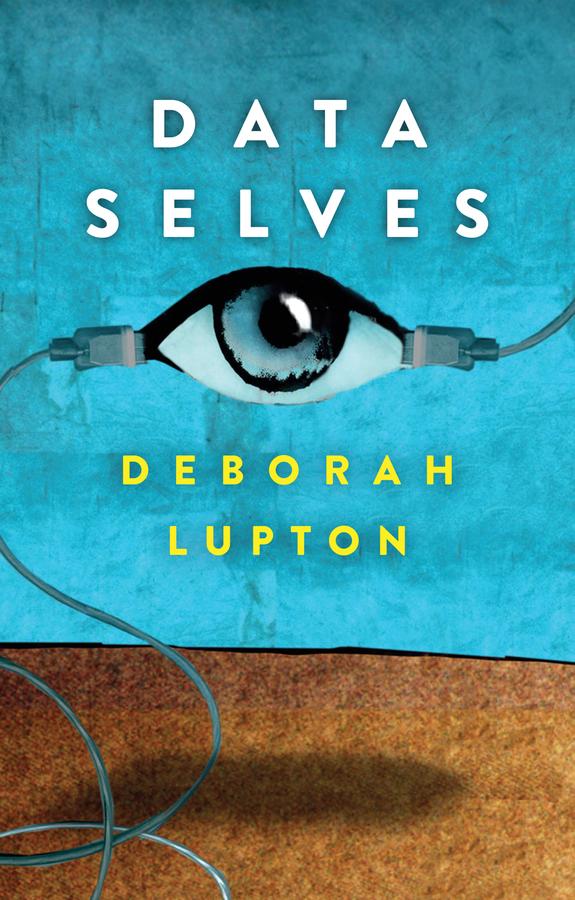
As people use self-tracking devices and other digital technologies, they generate increasing quantities of personal information online. These data have many benefits, but they can also be accessed and exploited by third parties.
Using rich examples from popular culture and empirical research, Deborah Lupton develops a fresh and intriguing perspective on how people make sense of and use their personal data, and what they know about others who use this information. Drawing on feminist new materialism theory and the anthropology of material culture, she acknowledges the importance of paying attention to embodied experiences, as well as discourses and ideas, in identifying the ways in which people make and enact data, and data make and enact people. Arguing that personal data are more-than-human phenomena, invested with diverse forms of vitalities, Lupton reveals significant implications for data futures, politics and ethics.
Lupton's novel approach to understanding personal data will be of interest to students and scholars in media and cultural studies, sociology, anthropology, surveillance studies, information studies, cultural geography and science and technology studies.
Płać wygodnie kartą, Klarną, Apple Pay lub Google Pay. Nie jesteś zadowolony? Zawsze masz 14-dniową gwarancję zwrotu pieniędzy. Więcej przeczytasz w naszych warunkach. Masz pytania? Napisz do nas na hello@memmo.org.
Memmo ułatwia naukę – gdziekolwiek jesteś na świecie. U nas znajdziesz podręczniki i sprytne narzędzia do nauki w jednym miejscu: streszczenia, quizy, podcasty i fiszki. A do tego Ted, Twój kumpel do nauki, który odpowie na wszystko, co Cię nurtuje. Ponad 50 000 studentów już tu się uczy – stworzone, byś uczył się szybciej i mniej stresował.